A retrospective claims analysis of 2897 matched pairs found hazard ratios of 0.48 to 0.67 for new atopic disease with dupilumab vs systemic corticosteroids in children.
Plant-based oat oil and aloe moisturizer outperforms metronidazole in a 12-week trial, reducing rosacea redness and lesions safely without irritation.
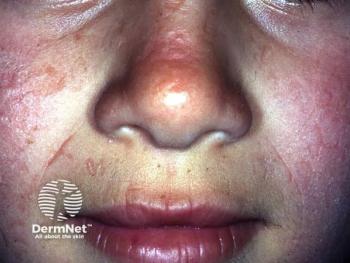
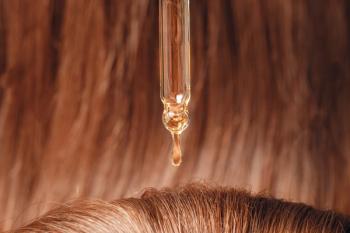
A novel plant-based topical moisturizer containing oat kernel oil and aloe vera demonstrated greater improvements in facial erythema and inflammatory lesions than 0.75% metronidazole cream in adults with rosacea, according to results from a randomized, double-blind controlled trial published in the Journal of Cosmetic Dermatology.1 The findings were highlighted in a recent press release from Crescel, the developer of the investigational product.2
Rosacea remains a challenging condition to manage, particularly the persistent facial erythema. Although metronidazole has long been considered a standard topical treatment, many patients continue to experience difficulty controlling redness despite prescription therapy and lifestyle modifications. The investigators noted an ongoing need for safe, long-term options that can address inflammation and support skin barrier function.
The 12-week study enrolled 60 adults (87% female with a mean age of 53 years) with mild, moderate, or severe rosacea. Participants were randomized to receive either the investigational oat and aloe anti-inflammatory moisturizer or 0.75% metronidazole cream combined with a bland moisturizer. Both products were applied twice daily to the entire face. Subjects were evaluated at baseline and at weeks 4, 8, and 12. Participants were not using other topical or oral rosacea therapies and agreed to avoid additional facial treatment products during the study period.
At week 4, both treatment groups showed similar improvements in investigator-assessed erythema. However, differences emerged by week 8. The botanical moisturizer produced a 50% reduction in erythema severity compared with a 22% reduction in the metronidazole group. Inflammatory lesion counts declined by 74% in the botanical treatment arm versus 6% in the metronidazole arm.
These improvements were maintained through week 12. At study completion, participants using the oat and aloe formulation achieved a 54% reduction in erythema compared with 23% among those using metronidazole. Inflammatory lesion counts decreased by 74% in the botanical group versus 17% in the comparator group. The authors also reported that reductions in lesion counts reached statistical significance at all follow-up visits for the botanical moisturizer but not for metronidazole.
No tolerability concerns were identified in either treatment arm. Investigators found no issues related to dryness, scaling, irritation, edema, or erythema. Likewise, the patients reported no notable problems with burning, stinging, itching, tingling, peeling, or dryness.
The investigational moisturizer combines concentrated extracts of aloe vera and oat kernel oil delivered through a proprietary microemulsion system. Aloe contains compounds with anti-inflammatory activity, including choline salicylate, bradykinase, and aloe emodin. Oat kernel oil provides unsaturated fatty acids and avenanthramides, compounds known to inhibit inflammatory signaling pathways and reduce the production of proinflammatory cytokines.
The formulation incorporates multiple proprietary technologies intended to enhance the delivery of these plant-derived compounds and improve penetration through the stratum corneum. This combination of moisturizing effects and anti-inflammatory activity may explain the product’s performance across a range of rosacea severities, according to study author, Zoe Diana Draelos, MD.
The investigators did acknowledge several limitations. The study followed participants for only 12 weeks, leaving questions regarding the long-term durability of benefit. In addition, although erythema improved substantially, most patients did not achieve complete disease clearance, suggesting that additional therapies may still be required for some individuals. Overall, the findings suggest that this botanical anti-inflammatory moisturizer may represent a promising nonprescription option for reducing redness and inflammatory lesions in patients with rosacea, warranting further evaluation in longer-term studies.
“This is one of the most exciting medical advancements I have seen in my 30 years of practicing rehabilitation and regenerative medicine,” Roberta Shapiro, DO, Columbia University Medical Center and Chief Medical Officer at Crescel, said in a statement. “Crescel’s healing capabilities are exceptional, earth shattering. Innovative technologies like this have the potential to improve outcomes while helping address the healthcare affordability crisis affecting millions of Americans.”2
References
1. Draelos ZD. Efficacy, Tolerance, and Safety of a Novel Botanical Anti-Inflammatory Moisturizer in Rosacea: Results From a Double-Blinded, Randomized Controlled Trial. J Cosmet Dermatol. 2026;25(5):e70910. doi:10.1111/jocd.70910
2. Breakthrough New Clinical Trial Shows Non-RX, Plant-Based Product Dramatically Outperformed Leading Drugs for Rosacea. News release. Crescel. Published May 26, 2026. Accessed June 5, 2026.