This week’s review highlights pediatric oral minoxidil guidance, alopecia areata imaging, inherited skin disorder growth patterns, total-body photography, and radiofrequency microneedling for rosacea.
Patients experiencing hormonal skin changes frequently report feeling unheard, and Doral Fredericks, PharmD, MBA, argues that active reassessment rather than attribution to aging is the clinical default that's needed.
Knowing the science is only part of the challenge. Translating that knowledge into clinical practice — particularly in a health care system with limited appointment time and siloed specialty care — is where patients are most often failed. In the second part of her conversation with Dermatology Times, Organon’s Doral Fredericks, PharmD, MBA, shifts from the immunology of hormonal skin disease to the clinical and psychosocial dimensions clinicians need to engage.
Her first recommendation is deceptively simple: don’t dismiss the complaint. Patients experiencing skin changes during pregnancy, postpartum, or menopause frequently report feeling unheard when symptoms are attributed entirely to hormones or aging. Fredericks emphasizes that reassessment — specifically asking whether symptoms are worsening, whether they’re associated with joint pain, fatigue, or sleep disruption, and whether they’re interfering with daily function — can reframe what looks like a benign complaint into a clinically actionable one.
“Collaborative medicine is the best kind of medicine. Dermatologists can support women far more holistically if they work with specialties like OBGYNs and endocrinologists.”
Fredericks is also a vocal advocate for cross-specialty collaboration. Dermatologists are the primary treaters of skin disease, but women navigating pregnancy and menopause are often simultaneously engaged with OBGYNs and endocrinologists. Building those interdisciplinary relationships, she argues, creates a more complete picture of the hormonal milieu, immune changes, and mental health stressors a patient is managing simultaneously — and enables more holistic, better-informed treatment decisions.
Psychiatrists and oncologists round out the collaborative model she describes. The association between chronic skin disease and mental health conditions — anxiety, depression, disrupted sleep, impaired sexual wellbeing, and diminished self-esteem — is well-supported in the literature.1 What’s less consistently recognized, Fredericks notes, is that these effects are often underdiagnosed or misdiagnosed, and that depression in this context can carry downstream risks including stroke, myocardial infarction, and cardiovascular mortality.
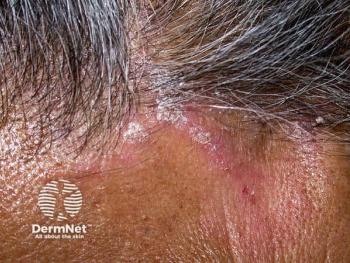
She illustrates the weight of inadequately controlled skin disease with a patient story from a clinical study: a woman with psoriatic scalp lesions who was turned away by a hair stylist on the day of her son’s wedding over a mistaken belief that the lesions were contagious. The anecdote anchors what the data already shows — that dermatologic disease is visible in ways few chronic conditions are, and that the psychosocial burden is not incidental to the clinical picture.
For patients, Fredericks also stresses the importance of self-advocacy: not assuming that skin changes are simply hormonal, initiating the conversation with their provider, and seeking education about what is and isn’t within the expected range of hormonal skin change.
References