Welcome to this week’s roundup of the most insightful and impactful articles from the sister publications of Dermatology Times, all under One MJH Life Sciences. Our network brings together expert perspectives, clinical advancements, and industry updates to keep clinicians informed and ahead of the curve. From cutting-edge treatments to practice management strategies, here’s a look at the top stories shaping the field of medicine.
Covered by Contemporary OB/GYN, the FDA has cleared Waters Onclarity HPV Self-Collection Kit and approved the BD Onclarity HPV Assay for expanded use, marking a major step forward in at-home cervical cancer screening. The update enables patients to collect cervical samples at home, which are then processed using high-risk HPV genotyping technology and integrated into clinical care pathways for follow-up and management. The decision is intended to address major screening gaps, particularly among individuals who are unscreened or under-screened, and builds on updated federal guidance supporting patient self-collection as a preventive screening option.
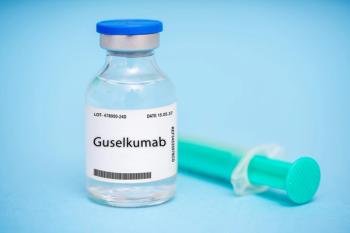
A retrospective database study published in Baylor University Medical Center Proceedings and covered by Rheumatology Live suggests that biologic selection in psoriasis may influence the long-term risk of developing psoriatic arthritis (PsA). Using the TriNetX network and propensity-matched cohorts of patients treated with 10 different immunomodulators, researchers found that IL-23 inhibitors—risankizumab, guselkumab, and ustekinumab—were consistently associated with a lower 3-year incidence of PsA compared with TNF-alpha and IL-17 inhibitors. Risankizumab showed the strongest protective association in multiple pairwise comparisons, with similar class-level trends favoring IL-23 inhibition across analyses. While the findings support a potential disease-modifying advantage for IL-23 agents, the authors caution that limitations of retrospective data, including residual confounding and lack of treatment duration information, prevent causal conclusions.
A CDC report published in Morbidity and Mortality Weekly Report and covered by Infection Control Today highlights concerning declines in childhood vaccination coverage among children born in 2021–2022. The most significant drop was seen in influenza vaccination, which fell to 53.5% by age 24 months—the lowest level in over a decade—alongside smaller declines in hepatitis B birth dose, rotavirus, Hib, and pneumococcal vaccines. The report also underscores persistent disparities by race, ethnicity, geography, and insurance eligibility, with particularly low coverage among Vaccines for Children–eligible populations. Public health officials warn these trends increase the risk of vaccine-preventable outbreaks, especially amid rising measles cases, and emphasize the need for stronger provider recommendations, expanded access programs, and improved vaccine outreach efforts.
Two new studies highlighted by PharmExec suggest that response to GLP-1 therapies may be influenced by both genetics and weight-loss–independent cardiovascular effects. In a large 23andMe analysis of nearly 28,000 users, variants in GLP1R and GIPR were associated with small but measurable differences in weight loss and with higher rates of gastrointestinal side effects, particularly for tirzepatide. A second study in over 47,000 cardiovascular patients found that semaglutide’s reductions in mortality and major cardiovascular events were not directly tied to the amount of weight lost, raising the possibility of direct heart-related mechanisms. Together, the findings point toward more personalized GLP-1 use in the future, guided by genetic differences and distinct therapeutic goals beyond weight management.
A phase 3 randomized trial covered by Urology Times highlights a new approach in advanced clear cell renal cell carcinoma (ccRCC) that tests whether modifying the gut microbiome can enhance outcomes with standard immunotherapy. The BIOFRONT study, led by the SWOG Cancer Research Network, is evaluating the addition of the investigational oral biotherapeutic CBM588 to frontline immune checkpoint inhibitor–based regimens, including common combinations such as nivolumab plus ipilimumab and pembrolizumab-based therapies. Enrolling more than 700 patients, the double-blind trial will assess whether CBM588 improves progression-free survival compared with placebo, with secondary endpoints including overall survival and safety. The study represents the first phase 3 effort to prospectively test a microbiome-targeted therapy alongside systemic cancer treatment in this disease setting.
Want to read more on specialty care, pharmacy, industry sciences, and more? Check out MJH Life Sciences full list of brands here.