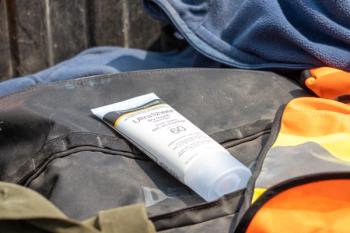
Two new Neutrogena facial sunscreens incorporate bemotrizinol, the first new sunscreen active ingredient added to the US OTC monograph in decades.
Explore the top headlines of the week, including insights on the latest clinical trials, therapeutic updates, and more.
To stay up to date with the latest dermatology news, sign up to receive our
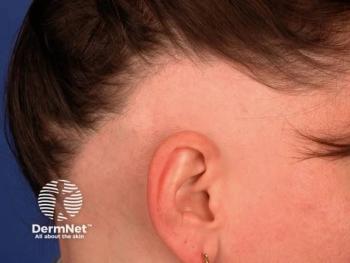
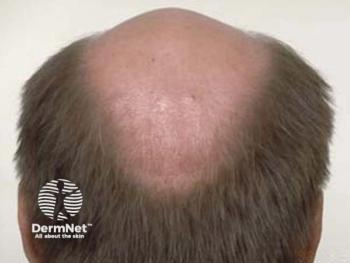
In an interview, Christina Weng, MD, and Daniel Gil, PhD, discussed PP405, a novel topical treatment for alopecia that reactivates dormant hair follicle stem cells to regenerate new hair growth. Unlike existing therapies that primarily slow hair loss or thicken existing strands, PP405 targets the underlying biology by restarting the hair growth cycle in inactive follicles. Phase 2a data showed increased follicular unit activation and terminal hair growth with favorable tolerability and no systemic adverse effects. As development moves into late-stage trials, PP405 represents a promising regenerative approach that could reshape treatment strategies for hair loss.
A recent call to action from the American Contact Dermatitis Society emphasizes that comprehensive patch testing (PT) remains the gold standard for diagnosing allergic contact dermatitis (ACD), a leading cause of dermatologic morbidity in the United States, and is essential for accurate allergen identification and effective management. With tens of thousands of chemicals in use and evolving personal and occupational exposures, patient history alone is often insufficient. The society highlights that limited allergen panels may miss a substantial proportion of clinically relevant sensitivities—for example, the 35-allergen Thin-Layer Rapid Use Epicutaneous Test may fail to detect many allergens identified by the 80-allergen North American Contact Dermatitis Group screening series—potentially leading to misdiagnosis, ongoing exposure, and unnecessary treatment. Beyond individual care, comprehensive PT also supports public health surveillance by identifying emerging allergens. The authors conclude that ensuring broad, equitable access to expanded allergen panels is critical to optimizing outcomes and maintaining high standards of care for patients with suspected ACD.
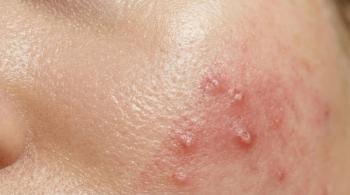
Apogee Therapeutics reported positive interim results from a phase 1b trial of zumilokibart (APG777), a novel half-life–extended monoclonal antibody targeting IL-13, in adults with mild to moderate asthma enriched for type 2 inflammation, a population relevant to atopic dermatitis (AD) due to shared immunopathology. In the randomized, double-blind, placebo-controlled study, a single 720-mg dose of zumilokibart was well tolerated, with no serious adverse events, conjunctivitis, injection site reactions, or antidrug antibodies observed. Pharmacodynamically, the biologic achieved a mean maximum FeNO reduction of 45 ppb (approximately 60% from baseline), with suppression maintained through weeks 16 to 32, suggesting durable IL-13 inhibition and potential for extended dosing in AD. These findings support Apogee’s ongoing phase 2 APEX program in AD, with phase 3 trials planned for the second half of 2026, and highlight zumilokibart’s promise for sustained disease control, improved adherence, and systemic benefits across comorbid type 2 inflammatory conditions.
The multinational RWEAL study analyzed nearly 2000 adults with moderate to severe chronic hand eczema (CHE) across 6 countries, revealing a predominantly long-standing disease burden with high clinical heterogeneity and frequent multisite involvement. Most physicians relied on subjective clinical judgment rather than standardized severity scoring tools, and etiologies were diverse—most commonly irritant contact dermatitis, followed by atopic and allergic subtypes, with mixed causes seen in a notable minority. Many cases were occupationally related, and comorbid atopic conditions were common, although a substantial proportion had no other dermatologic diagnoses, underscoring CHE as a distinct entity. Overall, the findings highlight significant unmet needs, variability in real-world management, and the importance of more standardized, multidisciplinary approaches to care.
Amanda Caldwell, MSN, APRN-C, explores the profound impact of chronic spontaneous urticaria (CSU) on patients and families, illustrated through her personal experience with her child. It highlights the physical, emotional, and social burden of unpredictable hives and angioedema, the challenges of navigating stepwise treatment protocols, and the delays caused by insurance requirements. The piece also underscores the evolving treatment landscape, including biologics like omalizumab and dupilumab, emerging oral therapies such as Bruton tyrosine kinase inhibitors, and next-generation targeted agents like ligelizumab and MRGPRX2 antagonists, emphasizing the importance of timely access and patient-centered care in improving outcomes.