


Dermatology Times is recapping our exclusive expert interviews from the month of March.
Maddi Hebebrand is an associate editor of Dermatology Times and joined the MJH Life Sciences team in May 2024. She attended Baldwin Wallace University, studying Media Production and Film, and received her Masters in Digital Media from Ohio University. When she's not writing, Maddi loves to read, attend concerts and spend time with her family.
Dermatology Times is recapping our exclusive expert interviews from the month of March.

Explore the top headlines of the month, including insights on the latest clinical trials, therapeutic updates, and more.
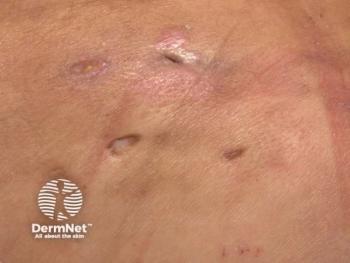
Three-year BE HEARD EXT data confirm that bimekizumab's clinical responses deepen over time, with HiSCR90 rates rising from 42% at year 1 to 64% at year 3.
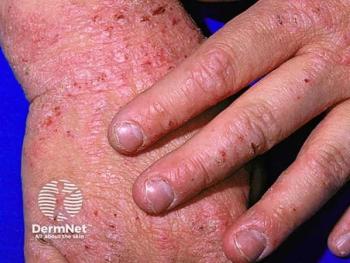
Eight in ten ADlong patients achieved clinical response without steroid rescue, strengthening the case for lebrikizumab as a standalone, long-term management option.
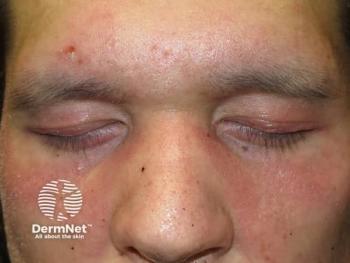
The FDA has granted Priority Review to brepocitinib's NDA for dermatomyositis, with a Q3 2026 PDUFA date that could make it the first drug specifically approved for this indication.

Phase 3 data presented at AAD 2026 show once-daily oral therapy clears skin as early as week 4, offering a fast-acting option for patients.

This year’s AAD poster awards highlight studies advancing skin cancer prevention, inflammatory disease management, and complex dermatology care.

BE HEARD extension data underscore the importance of early diagnosis and treatment initiation to optimize long-term outcomes in hidradenitis suppurativa.

With 80% of trial participants being children, this analysis provides some of the most robust early-response data available for a non-steroidal topical in pediatric AD.

The GLODERM Pre–AAD meeting emphasized that global skin health progress now depends on translating policy into scalable, equitable care delivery.
These leaders are shaping the future of dermatology through their clinical expertise, research, and educational presentations.
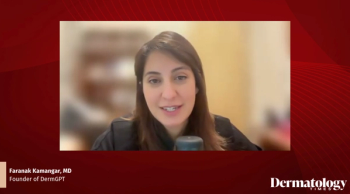
Guardrails and disclaimers are essential for responsible AI deployment in dermatology, according to Faranak Kamangar, MD.
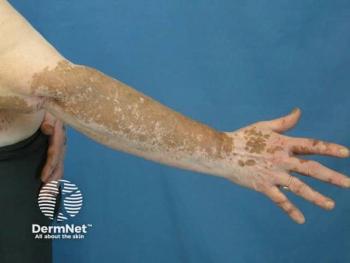
Misconceptions about vitiligo, including contagion and supernatural causation, remain prevalent in many regions and are linked to increased stigma.
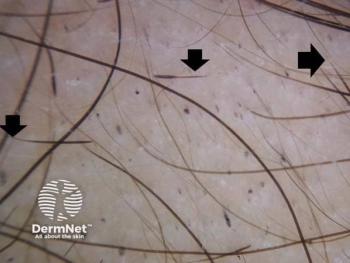
The upcoming trial will assess an injectable formulation of Xvie, distinct from its currently available topical counterpart.

Overall, the future of dermatology lies in integrating innovation with individualized, evidence-based, and patient-centered care.

Successful negotiation integrates compensation, productivity, procedural access, and autonomy to create a sustainable, well-valued clinical role.

In a striking finding, 97% of patients who had experienced no facial repigmentation whatsoever at week 24 demonstrated measurable F-VASI improvement after 104 weeks of continuous ruxolitinib cream use.
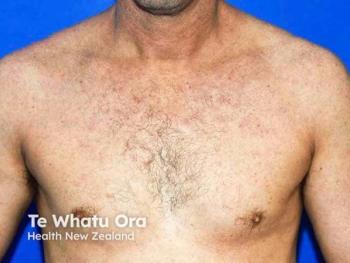
Phase 2 APEX part A data showed zumilokibart maintained EASI-75 responses in 75–85% of week 16 responders at 1 year across quarterly and biannual dosing regimens.

Swanson and Silverberg explain why tween skin care trends harm barriers, and how clinicians can simplify routines and spot allergens.

This week, we feature top articles from our sister publications on regulatory updates, clinical trial insights, and more.
Only 15–20% of eligible patients currently receive systemic psoriasis treatment, and specialists believe icotrokinra's simplicity could meaningfully move that needle.
When used thoughtfully, Faranak Kamangar, MD, says AI can transform generic processes into innovative, time-saving clinical tools.
Clinician contract negotiation is often treated as administrative, but it directly affects pay, autonomy, workflow, and career trajectory.
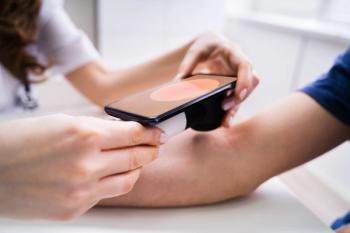
Trainees identified legal, ethical, and reliability concerns as key barriers to integrating AI into dermatology practice.
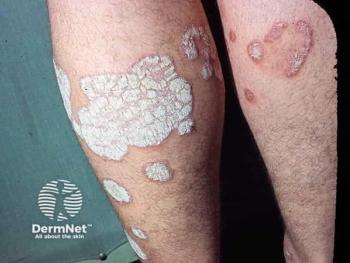
Clinical trial data showed approximately 70% of patients achieved clear or almost clear skin with icotrokinra by week 16.
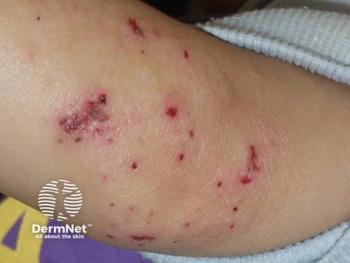
New data show that nearly 40% of eczema patients face insurance-related barriers, delaying or preventing access to prescribed therapies.

New top-line results from the BE BOLD trial provide dermatology clinicians with comparative data on 2 biologic therapies targeting different inflammatory pathways in psoriatic arthritis (PsA).
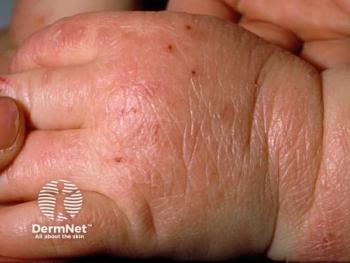
Positive phase 3 findings from ADorable-1 suggest lebrikizumab could expand biologic treatment options for younger patients with atopic dermatitis (AD).
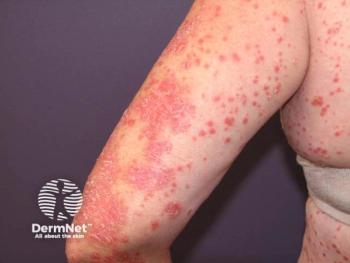
Chovatiya discusses treat-to-target goals, biologics, BSA remission, and patient burden in psoriasis.

Explore the top headlines of the week, including insights on the latest clinical trials, therapeutic updates, and more.