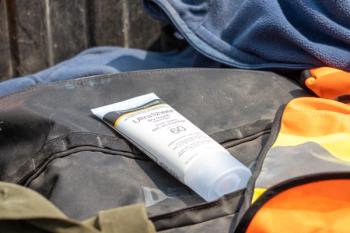
Two new Neutrogena facial sunscreens incorporate bemotrizinol, the first new sunscreen active ingredient added to the US OTC monograph in decades.
La Roche-Posay and the Oncology Nursing Society mark World Cancer Day with a first-of-its-kind tool, improving cancer care in patients with skin of color.
Today, La Roche-Posay announced a partnership with the Oncology Nursing Society (ONS) aimed at addressing a longstanding gap in dermatologic representation within oncology care.1 Aptly timed with World Cancer Day and Black History Month, the initiative centers on a grant from La Roche-Posay to fund the development of the first dedicated skin of color skin toxicity photo repository designed specifically for oncology nurses. The digital database will focus on how cancer treatment–related cutaneous toxicities present across a range of skin tones, with the goal of improving recognition, management, and patient safety.
Cutaneous events are among the most common adverse effects of cancer therapies. Approximately 80% of oncology patients experience some form of skin toxicity, including radiation dermatitis, acneiform and other targeted therapy–associated rashes, and hand–foot syndrome.2 Early identification and intervention are essential to symptom control, maintenance of treatment adherence, and overall quality of life. However, visual educational resources used in medical training and clinical reference materials have historically underrepresented darker skin tones. According to the announcement, only 4.5% of medical educational materials include diverse skin tones, despite more than 40% of the US population identifying as people of color.
"At La Roche-Posay, we believe that skin health should be equitable for everyone. It is our mission to support and improve the quality of life for all cancer patients. By partnering with the Oncology Nursing Society to build this repository, we are providing a functional, clinical solution tailored to the nursing workflow to ensure nurses have the resources to provide proper care for all patients with all skin types and tones," said Rachelle Mladjenovic, General Manager of La Roche-Posay, USA. "When we looked at the data, it was a clear call to action for the brand. Only a small fraction of medical materials had shown what these side effects look like on darker skin tones, and now with the integration of the Skin of Color Skin Toxicity Photo Repository within the ONS platform, we are proud to provide the best level of care for all cancer patients across all skin tones."1
The new repository is positioned as a practical clinical tool to help close this gap at the point of care. While general dermatology image databases exist, La Roche-Posay describes this project as the first digital library developed exclusively for oncology nursing practice. It will be tailored to the nursing workflow and integrated directly into ONS platforms, where oncology nurses routinely access evidence-based guidance and educational materials. The resource will compile clinically relevant images of treatment-related dermatologic toxicities as they appear on diverse skin tones, supported by evidence-based context to guide assessment and management.
"The Oncology Nursing Society is committed to excellence in oncology nursing and the transformation of cancer care," said Jessica Macintyre, Board of Directors President of ONS. "This partnership with La Roche-Posay enables ONS to address a significant educational gap by equipping clinicians with the largest, first-of-its-kind library focused on treatment-released skin toxicities, including those affecting skin of color. Strengthening early identification and intervention through this resource is essential to improving patient outcomes and ensuring every person impacted by cancer receives the highest standard of care. This announcement, strategically timed between World Cancer Day and Black History Month, underscores La Roche-Posay's commitment to authentic, purpose-driven action by leaning into its core scientific mission to improve skin health equity for all."1
References
1. La Roche-Posay and the Oncology Nursing Society (ONS) Announce Landmark Partnership to Close the Representation Gap in Cancer Care for Diverse Skin Tones. News release. PR Newswire. Published February 4, 2026. Accessed February 4, 2026.
2. Chan JC, Lee YH, Liu CY, Shih HH, Tsay PK, Tang WR. A Correlational Study of Skin Toxicity and Quality of Life in Patients With Advanced Lung Cancer Receiving Targeted Therapy. J Nurs Res. 2019;27(6):e51. doi:10.1097/jnr.0000000000000339