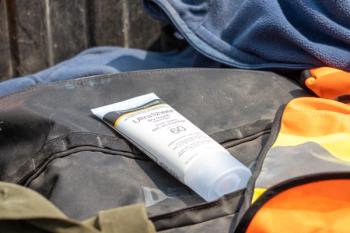
Two new Neutrogena facial sunscreens incorporate bemotrizinol, the first new sunscreen active ingredient added to the US OTC monograph in decades.
James Del Rosso, DO, discusses diagnosis and treatment of mastocytosis and inflammatory conditions.
In the concluding portion of his conversation with Dermatology Times, James Del Rosso, DO, shifted focus to conditions that may be less commonly encountered in routine dermatology practice but carry significant implications when missed—most notably systemic mastocytosis. He also offered a forward-looking overview of several therapies in development for psoriasis and hidradenitis suppurativa (HS), highlighting how dermatology continues to move toward increasingly targeted and flexible treatment options.
Mastocytosis represents a spectrum of disease characterized by abnormal mast cell accumulation in the skin and other organs. While cutaneous mastocytosis is more often encountered in pediatric populations, adult presentations warrant particular attention because of their association with systemic disease. Del Rosso emphasized that adults with systemic mastocytosis frequently present first to dermatologists, sometimes without overt suspicion of the diagnosis.
Cutaneous findings may be subtle, ranging from pigmented macules that resemble lentigines to more classic urticaria pigmentosa–like lesions. In other cases, patients may present without obvious skin findings but report unexplained pruritus, flushing, gastrointestinal complaints, or even anaphylaxis. Del Rosso noted that “many cases of patients that have bee sting anaphylaxis actually do have systemic mastocytosis,” underscoring the importance of considering this diagnosis in patients with unexplained severe reactions.
From a practical standpoint, dermatologists play a critical role in identifying patients who may benefit from further evaluation. Skin biopsy demonstrating mast cell infiltration can serve as an initial clue, though it does not fulfill World Health Organization diagnostic criteria for systemic disease. Simple in-office maneuvers, such as eliciting a Darier sign, may also provide useful diagnostic signals.
When suspicion is raised, Del Rosso highlighted 2 accessible tests dermatologists can order. A serum tryptase level above 20 ng/mL raises concern for systemic mastocytosis, though normal levels do not exclude the diagnosis. In addition, testing for the activating KIT D816V mutation can further support the need for referral and comprehensive evaluation. As Del Rosso explained, “those 2 things, if they’re positive, would let you know… this patient needs further evaluation.”
He also emphasized that systemic therapies are now FDA-approved for mastocytosis, reinforcing the value of timely diagnosis and multidisciplinary care.
Beyond mastocytosis, Del Rosso reviewed several emerging therapies across inflammatory disease states. In psoriasis, oral agents targeting IL-23 signaling and next-generation allosteric TYK2 inhibitors, including agents with greater binding selectivity than currently approved therapies, have demonstrated encouraging efficacy in clinical trials. Longer-acting injectable IL-23 therapies designed to extend dosing intervals to once or twice yearly are also in development.
Finally, he highlighted continued momentum in HS management, particularly with IL-17–targeting biologics such as secukinumab and bimekizumab, which are generating increasingly robust clinical data.
Taken together, these developments illustrate how dermatology is expanding both diagnostically and therapeutically, requiring clinicians to remain vigilant for systemic disease while embracing a rapidly evolving treatment landscape.
To hear more from Del Rosso, check out