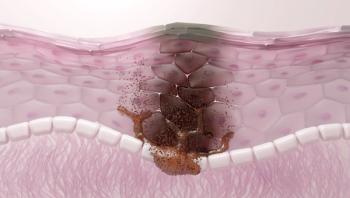
Jane Yoo, MD, MPP, FAAD, shares expert tips to treat melasma in skin of color regarding sunscreen shades, hydroquinone breaks, TXA choices, and safer laser/peel decisions.
Maddi Hebebrand is an associate editor of Dermatology Times and joined the MJH Life Sciences team in May 2024. She attended Baldwin Wallace University, studying Media Production and Film, and received her Masters in Digital Media from Ohio University. When she's not writing, Maddi loves to read, attend concerts and spend time with her family.
Jane Yoo, MD, MPP, FAAD, shares expert tips to treat melasma in skin of color regarding sunscreen shades, hydroquinone breaks, TXA choices, and safer laser/peel decisions.

Andrew Krakowski, MD, encourages involving both caregivers and children in treatment decisions, giving young patients a sense of ownership that can significantly improve adherence.

New data show that nearly two-thirds of Sun Bus participants had never visited a dermatologist, highlighting persistent gaps in access to skin cancer care.
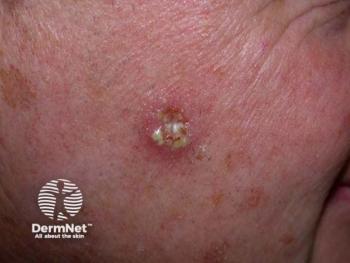
A new qualitative study finds that patients with hard-to-heal wounds routinely engage in protective and monitoring behaviors at home without recognizing those efforts as meaningful contributions to their own care.
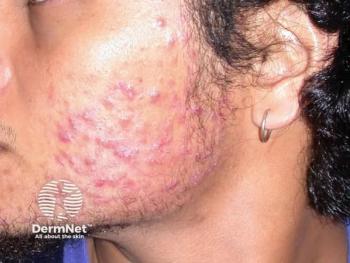
The 3-phase Isoclear regimen pairs topical isotretinoin with clindamycin, tranexamic acid, niacinamide, and copper peptide based on treatment stage.
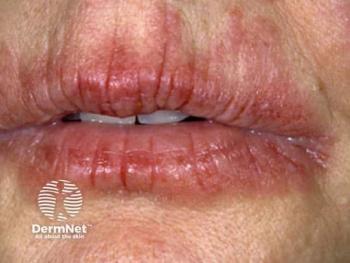
Nearly 68% of AD patients and 78% of psoriasis patients on topical-only regimens expressed a desire for systemic therapy, reflecting widespread skepticism about topicals as a long-term strategy.
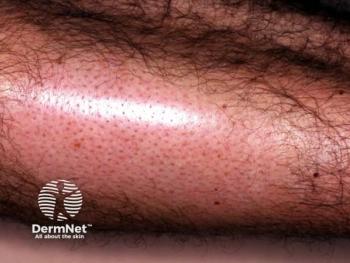
HCW9302 selectively expands Treg cells to suppress autoreactive follicular inflammation without broad immunosuppression.

In a pivotal trial, two-thirds of skinvive neck patients maintained clinically significant improvement at six months.
Cosibelimab joins cemiplimab and pembrolizumab as a first-line option for advanced cSCC unsuitable for curative surgery or radiation.
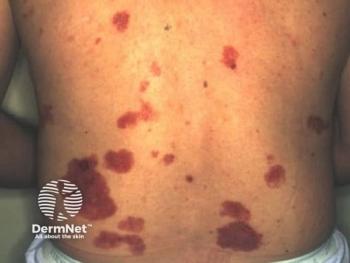
SkinJect demonstrated 64% clinical clearance and 55% complete histological response in a phase 2 study of nodular BCC patients.
In the Chair puts you in the hot spot, challenging you to navigate complex, real-world cases.
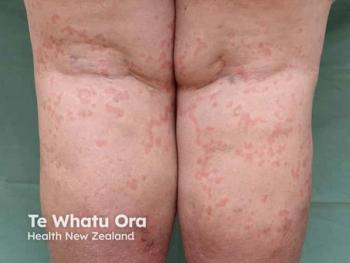
The review emphasizes that psychological stress can influence inflammatory pathways involved in CSU, potentially worsening disease activity.
Every week, we cut through the noise to bring clinicians the trial results, approvals, and emerging therapies that are actually moving the needle.

More than 35% of zasocitinib-treated patients reached complete skin clearance at week 16, with treatment curve separation emerging as early as week 8.
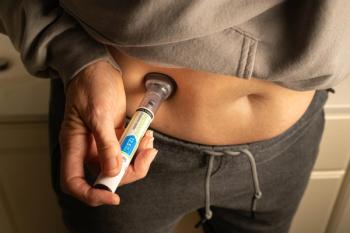
Findings support ongoing pharmacovigilance monitoring of GLP-1 receptor agonists for hair loss, particularly as semaglutide and tirzepatide use continues to expand.
Valerie Stern, DMSc, MPAS, PA-C, argues that dermatology conferences offer APPs something CME alone can't — a community that understands the specific professional pressures of the role.
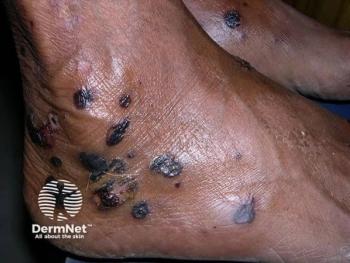
The priority review pathway cuts the standard 300-day Canadian review timeline to approximately 180 days, reflecting Health Canada's assessment of serious unmet need in the EB population.

From case reports to conference presentations, Stern outlines a practical path APPs can follow to build a profile beyond their day-to-day clinical role.

Translational Takeaways distills the most clinically relevant findings from emerging dermatology research into clear, practice-focused insights that inform real-world decision-making.
In the Chair puts you in the hot spot, challenging you to navigate complex, real-world cases.
Every week, we cut through the noise to bring clinicians the trial results, approvals, and emerging therapies that are actually moving the needle.
As one of California's first derm PAs, Stern discusses the mentorship-driven private practice model that launched her career and its near-disappearance today.
Patients experiencing hormonal skin changes frequently report feeling unheard, and Doral Fredericks, PharmD, MBA, argues that active reassessment rather than attribution to aging is the clinical default that's needed.
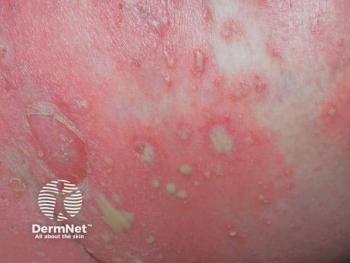
Experts recommend routine genital assessment as part of comprehensive skin exams rather than relying on patient-initiated reporting of this sensitive manifestation.
Organon's Doral Fredericks, PharmD, MBA, explains why pregnancy and menopause remain chronically understudied in dermatology research and what clinicians are missing as a result.

Turn Therapeutics is preparing to request an FDA meeting to discuss regulatory strategy and potential pathways toward market following successful Phase 2 completion.
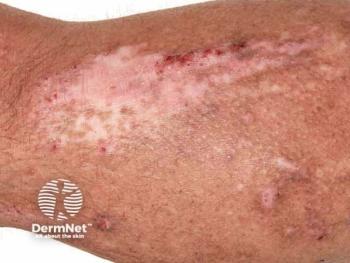
Unlike approved AD biologics and JAK inhibitors targeting specific cytokine pathways, GX-03 is designed to modulate inflammatory signaling locally within the skin microenvironment.
Translational Takeaways distills the most clinically relevant findings from emerging dermatology research into clear, practice-focused insights that inform real-world decision-making.
In the Chair puts you in the hot spot, challenging you to navigate complex, real-world cases.
Every week, we cut through the noise to bring clinicians the trial results, approvals, and emerging therapies that are actually moving the needle.

February 11th 2025

August 21st 2025

July 14th 2025
September 9th 2025