


This month’s podcasts highlight the latest clinical insights, emerging therapies, and evolving conversations shaping dermatology practice.
Maddi Hebebrand is an associate editor of Dermatology Times and joined the MJH Life Sciences team in May 2024. She attended Baldwin Wallace University, studying Media Production and Film, and received her Masters in Digital Media from Ohio University. When she's not writing, Maddi loves to read, attend concerts and spend time with her family.
This month’s podcasts highlight the latest clinical insights, emerging therapies, and evolving conversations shaping dermatology practice.

Explore the top headlines of the month, including insights on the latest clinical trials, therapeutic updates, and more.
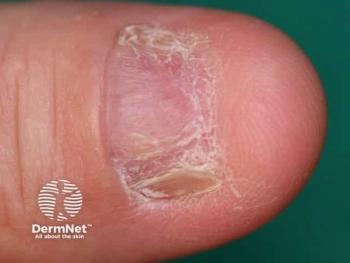
A review in JEADV Clinical Practice argues that deliberate nail examination in children can generate and narrow a differential diagnosis across virtually every organ system.

At 6-month follow-up, no behavioral outcomes — including sunscreen use, hat use, or reapplication — showed statistically significant improvement over baseline levels.
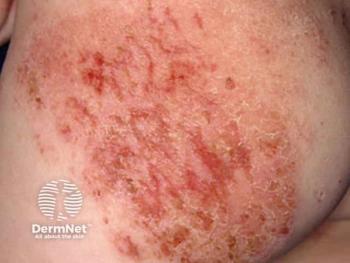
Apogee plans to initiate 3 phase 3 trials of zumilokibart in moderate to severe atopic dermatitis—ADventure 1, ADventure 2, and ADventure TCS—in the second half of 2026.
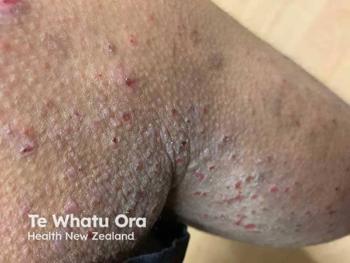
Among more than 1700 patients enrolled in the long-term extension study, the majority transitioned from a moderate to severe AD phenotype at baseline to a mild phenotype within 12 weeks, with that shift maintained through 2 years.

Dermatologists are increasingly integrating AI into clinical workflows, though many still use it primarily as a search tool rather than a true care-support system.
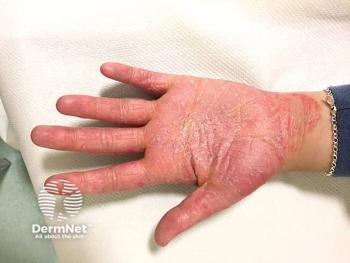
Clinical outcomes improved in both switch directions following treatment modification, with substantial reductions in PASI and EASI scores.
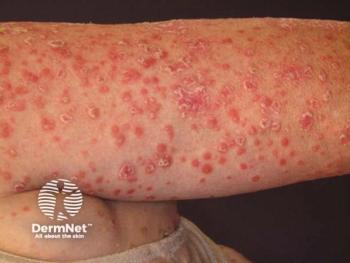
Oral therapies at AAD 2026 are closing the efficacy gap with biologics, with two TYK2 inhibitors and an oral IL-23 peptide each delivering clearance rates once thought possible only with injectables.
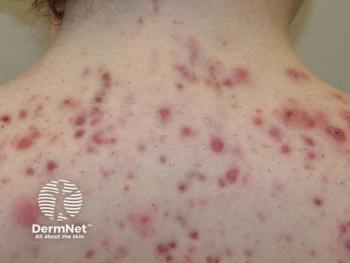
The findings suggest tetracycline activity may vary depending on drug concentration and local tissue exposure.
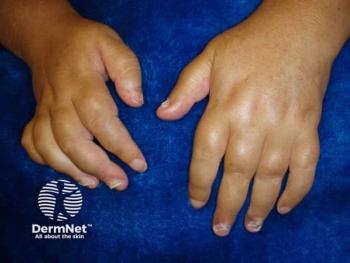
At EULAR 2026, investigators presented head-to-head data demonstrating significantly higher joint response rates with bimekizumab compared with risankizumab in PsA.

Real clinical case scenarios with progressive diagnostic clues challenge dermatology clinicians to think on their feet, sharpen their diagnostic reasoning, and apply practice-changing takeaways at the point of care.
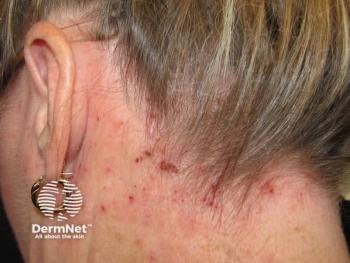
Treatment discontinuations due to laboratory abnormalities were uncommon, occurring in 0.7% of patients at week 52 and remaining below 2% through week 140.

Researchers reported that patients with more extensive HS disease involvement experienced significantly greater financial strain.

Translational Takeaways distills the most clinically relevant findings from emerging dermatology research into clear, practice-focused insights that inform real-world decision-making.
In the Chair puts you in the hot spot, challenging you to navigate complex, real-world cases.
Every week, we cut through the noise to bring clinicians the trial results, approvals, and emerging therapies that are actually moving the needle.

Biologics and oral JAK inhibitors are now strongly recommended for moderate to severe pediatric atopic dermatitis, signaling a shift toward earlier systemic treatment escalation.
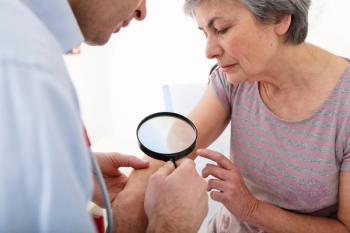
Despite rapid market growth, many regenerative aesthetic products lack the rigorous nonclinical and clinical safety data that regulators typically require.
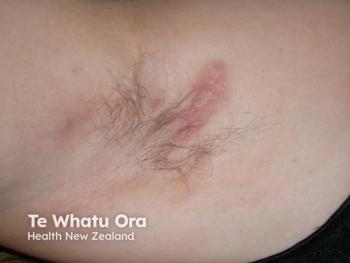
Researchers found that adult patients with suspected but unconfirmed HS were more likely to receive symptom-targeted treatment rather than comprehensive disease management.
Emma Guttman-Yassky, MD, PhD, discusses findings from an abrocitinib on-off JADE REGIMEN analysis and what they may mean for disease modification in atopic dermatitis.
Real clinical case scenarios with progressive diagnostic clues challenge dermatology clinicians to think on their feet, sharpen their diagnostic reasoning, and apply practice-changing takeaways at the point of care.
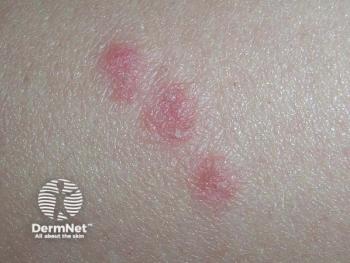
Investigators reported that individualized adalimumab dose adjustments based on serum drug levels could increase clinical response rates compared with standard dosing.
Translational Takeaways distills the most clinically relevant findings from emerging dermatology research into clear, practice-focused insights that inform real-world decision-making.
In the Chair puts you in the hot spot, challenging you to navigate complex, real-world cases.
Every week, we cut through the noise to bring clinicians the trial results, approvals, and emerging therapies that are actually moving the needle.
Jillian Rork, MD, discusses how Down syndrome is increasingly being understood through the lens of immunology and inflammatory skin disease.

Turmeric and curcumin supplements used for hair loss are increasingly associated with rare but serious cases of liver injury.
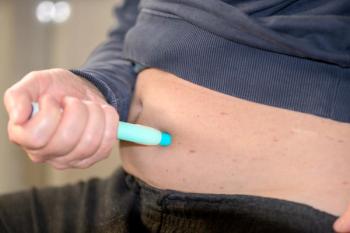
The analysis highlights potential disease-specific effects of GLP-1 pathway modulation across inflammatory conditions.

A retrospective study of 199 CSU patients found that elevated baseline D-dimer was the only independent predictor of high-dose omalizumab requirement after multivariate adjustment.