

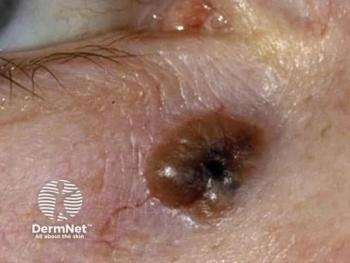
The high-dose D-MNA cohort showed continued improvement from Day 29 to Day 57, a trajectory not observed in the device-only control arm, supporting a drug-driven mechanism of action.
Maddi Hebebrand is an associate editor of Dermatology Times and joined the MJH Life Sciences team in May 2024. She attended Baldwin Wallace University, studying Media Production and Film, and received her Masters in Digital Media from Ohio University. When she's not writing, Maddi loves to read, attend concerts and spend time with her family.
The high-dose D-MNA cohort showed continued improvement from Day 29 to Day 57, a trajectory not observed in the device-only control arm, supporting a drug-driven mechanism of action.
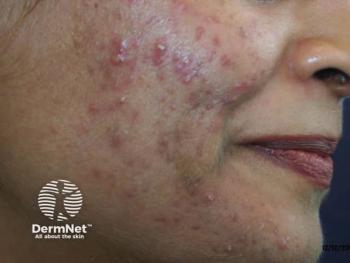
About one-quarter of acne-related genetic variants also contribute to IBD risk.

Real clinical case scenarios with progressive diagnostic clues challenge dermatology clinicians to think on their feet, sharpen their diagnostic reasoning, and apply practice-changing takeaways at the point of care.
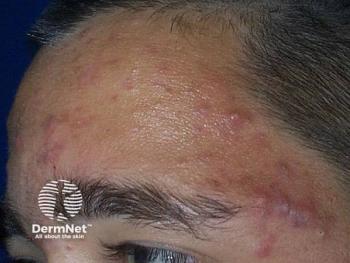
Radiofrequency-assisted microneedling reduced both inflammatory and non-inflammatory lesions while promoting neocollagenesis and downregulating pro-inflammatory mediators.
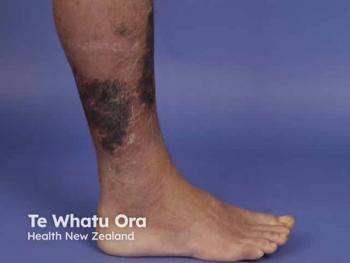
The case underscores that classic imaging hallmarks of necrotizing fasciitis are frequently absent in early-stage disease, making a high index of clinical suspicion essential for front-line providers.

Translational Takeaways distills the most clinically relevant findings from emerging dermatology research into clear, practice-focused insights that inform real-world decision-making.

In the Chair puts you in the hot spot, challenging you to navigate complex, real-world cases.

Every week, we cut through the noise to bring clinicians the trial results, approvals, and emerging therapies that are actually moving the needle.

An early look at the finalized print issue—featuring key data, clinical takeaways, and expert insights before it reaches your mailbox.

This month’s podcasts highlight the latest clinical insights, emerging therapies, and evolving conversations shaping dermatology practice.
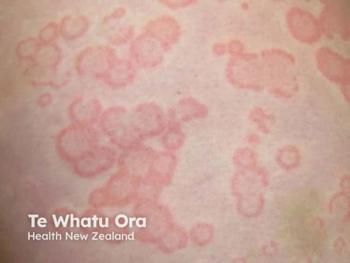
In the pivotal trials, dupilumab significantly reduced itch severity and urticaria activity at week 24 and increased rates of well-controlled disease and complete response compared with placebo.

Explore the top headlines of the month, including insights on the latest clinical trials, therapeutic updates, and more.
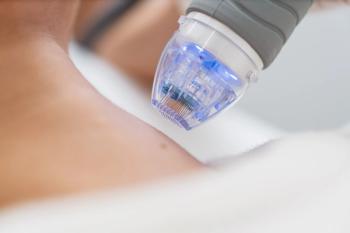
A systematic review of 8 studies finds early evidence for microneedling plus exosome therapy across alopecia, aging, pigmentation, and scarring, but calls for larger trials.
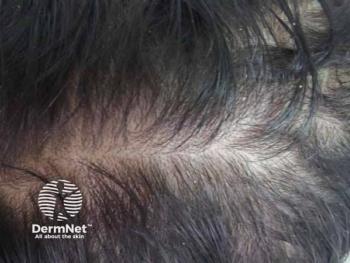
Weekly microneedling combined with daily topical 5% minoxidil produced statistically significant hair density gains in 40 women with female pattern hair loss.

The deal would vault the combined company to 7th-largest biosimilar player globally, with direct implications for biologic access in dermatology.
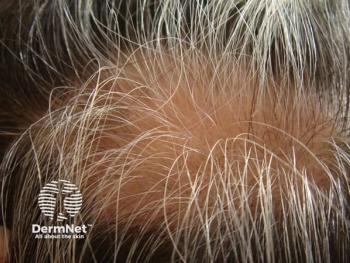
Combination therapy may be particularly beneficial for frontal hairline regrowth, a traditionally difficult area to treat.

Interim phase 2a data show ORKA-001, a half-life extended IL-23 inhibitor, achieved complete skin clearance in 63.5% of patients at week 16.

Explore the top headlines of the week, including insights on the latest clinical trials, therapeutic updates, and more.
In the Chair puts you in the hot spot, challenging you to navigate complex, real-world cases.

Every week, we cut through the noise to bring clinicians the trial results, approvals, and emerging therapies that are actually moving the needle.
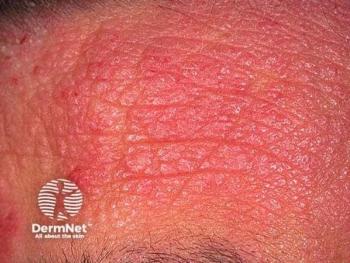
Early clinical trials indicate that dual- and triple-target antibodies may provide faster onset and more consistent itch relief in moderate to severe AD.
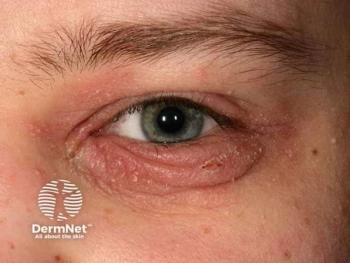
Affecting up to 25% of children worldwide, pediatric AD carries a significant quality of life burden that extends to caregivers.
The biologic is the first of its kind approved for young children with antihistamine-refractory CSU, expanding an existing indication that previously covered adults and adolescents.

Clinicians agreed that itch — not lesion count or BSA alone — is the most clinically meaningful driver of treatment escalation in patients with atopic dermatitis.

Patients frequently experience persistent symptoms, visible lesions, and recurrent flares that affect daily functioning and self-image.
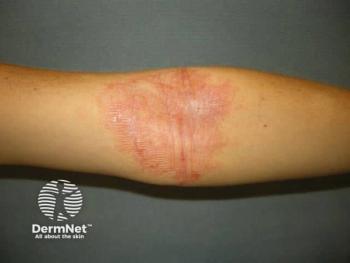
Most AD referrals were low urgency, contributing to prolonged wait times exceeding 30 weeks on average.

A meta-analysis cited in the review found depression prevalence among melasma patients at 43.4% — approximately 12 times the estimated global rate — highlighting the psychiatric weight of pregnancy-associated skin changes.
The study represents a repurposing strategy, using dupilumab as a tool compound to probe whether immune-targeted therapy can address a biologically defined subgroup of MDD.
Explore the top headlines of the week, including insights on the latest clinical trials, therapeutic updates, and more.
In the Chair puts you in the hot spot, challenging you to navigate complex, real-world cases.