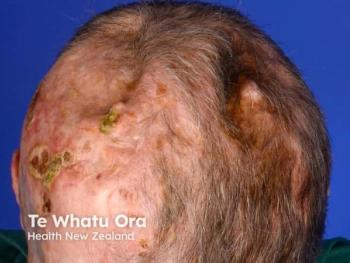
An HS toolbox with wound care, symptom relief, and personal care supplies can help patients stay prepared for unexpected flares.
Discover the latest advancements in hidradenitis suppurativa therapies, including promising biologics and oral treatments reshaping patient care in 2025.
The therapeutic landscape for hidradenitis suppurativa (HS) continued to evolve in 2025, marked by meaningful regulatory progress and an expanding body of phase 2 and phase 3 clinical trial data. Coverage throughout the year in Dermatology Times highlighted a maturation of the HS pipeline, with advanced biologic therapies, oral small molecules, and novel immunologic targets reshaping treatment paradigms. This review summarizes key regulatory developments and late-stage clinical trial outcomes reported in 2025, with a focus on their clinical relevance and implications for practice.
Historically underserved by therapeutic innovation, HS has entered a period of accelerated development over the past several years. In 2025, Dermatology Times reporting reflected a shift from proof-of-concept studies toward confirmatory trials, regulatory filings, and longer-term efficacy and safety data. The year was defined by continued expansion of IL-17–targeted therapies, the emergence of oral JAK inhibition, and early signals from novel immune pathways.
Regulatory momentum for HS therapies remained strong throughout 2025. Dermatology Times highlighted the growing global footprint of biologics targeting IL-17 pathways, particularly bimekizumab (Bimzelx; UCB), which continued to progress through regulatory review in the United States following prior approvals in Europe. Dermatology experts emphasized that regulatory confidence was supported not only by pivotal trial success but also by increasingly robust long-term extension data.
In parallel, regulatory agencies continued to recognize HS as a distinct, high-unmet-need inflammatory condition, reinforcing expectations for future approvals across both biologic and oral therapeutic classes. By the end of 2025, HS was no longer viewed as a “single-drug” disease state, but rather as one with an emerging treatment algorithm similar to psoriasis.
Phase 3 data for bimekizumab remained a central focus in 2025. Results from the BE HEARD I and BE HEARD II trials continued to demonstrate statistically and clinically meaningful improvements in HiSCR endpoints, pain reduction, and quality of life measures. Importantly, long-term follow-up data extending up to 3 years reinforced the durability of response and a consistent safety profile.
Clinicians interviewed by Dermatology Times noted that the depth and durability of response observed with dual IL-17A/IL-17F inhibition may influence biologic selection earlier in the disease course, particularly for patients with refractory or severe disease.
Another major phase 3 development in 2025 was the advancement of povorcitinib (Incyte; INCB054707), an oral selective JAK1 inhibitor. Dermatology Times reported on positive topline results from phase 3 STOP-HS trials, which demonstrated significant improvements in HiSCR50 compared with placebo as early as week 12, with sustained responses through extended follow-up.
The success of povorcitinib underscored growing interest in oral systemic therapies for HS, particularly for patients unwilling or unable to use injectable biologics. Dermatology experts highlighted the importance of careful safety monitoring and patient selection, while acknowledging the potential paradigm shift represented by effective oral agents in HS management.
Phase 2 studies reported in Dermatology Times during 2025 illustrated increasing diversification of immunologic targets in HS. Among these was brivekimig (Sanofi; SAR442970), a dual-target nanobody designed to modulate TNF and OX40L pathways. Early data demonstrated encouraging efficacy signals in biologic-naïve patients, with acceptable tolerability.
These findings reinforced a broader theme of 2025: HS drug development is moving beyond repurposed inflammatory agents toward therapies specifically engineered for HS pathophysiology.
In late 2025, InflaRx reported topline phase 2a data for INF904, an oral C5a receptor (C5aR1) antagonist, highlighting complement pathway inhibition as a novel approach in HS. INF904 demonstrated early, dose-dependent reductions in inflammatory lesion burden, with the highest dose achieving a mean decrease of 8.1 abscess and nodule lesions by week 4—comparable to early responses seen with approved biologics. Reductions in draining tunnels were observed in up to 50% of patients, alongside improvements in composite severity scores and patient-reported pain and quality of life.
While systemic agents dominated late-stage development, Dermatology Times also reported on phase 2 evaluations of topical approaches, including JAK inhibition. These studies targeted patients with mild to moderate disease and highlighted the ongoing need for therapeutic options across the full severity spectrum.
Beyond individual trial results, Dermatology Times emphasized several recurring themes throughout the year:
These themes reflect a broader shift toward patient-centered and outcomes-driven care in HS.
The year 2025 marked a pivotal period in hidradenitis suppurativa research and regulation. As reported throughout the year in Dermatology Times, HS has transitioned into a disease state with multiple validated therapeutic targets, late-stage pipeline depth, and sustained regulatory engagement. Phase 3 successes for both biologic and oral therapies, coupled with promising phase 2 innovation, suggest that the coming years will further refine treatment algorithms and improve long-term outcomes for patients living with HS.