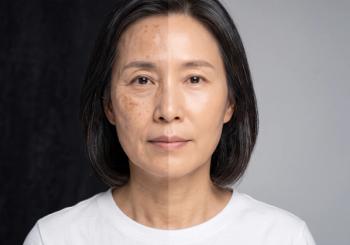
The FDA clearance allows Edesa to expand an ongoing placebo-controlled study of the CXCL10 antibody EB06 to US sites, with topline data expected in the fourth quarter of 2027.
Experts discuss innovative strategies for vitiligo treatment, emphasizing the role of topical Janus kinase inhibitors and effective patient communication for optimal outcomes.
Lindsay Ackerman, MD; Marc Serota, MD; and Michael Lewitt, MD, recently discussed the real-world challenges of treating vitiligo, including difficult-to-treat areas and slow repigmentation, as well as the realistic conversations they have with patients to achieve success with topical therapies.
In the Dermatology Times Expert Perspectives custom video series, Ackerman, Serota, and Lewitt each provided their clinical pearls for colleagues to best optimize vitiligo treatment outcomes.
Ackerman, a practicing dermatologist at US Dermatology Partners and associate clinical professor of internal medicine in the Division of Dermatology at the University of Arizona College of Medicine - Phoenix, first discussed an evolving and increasingly individualized approach to vitiligo management, shaped by the availability of topical ruxolitinib (Opzelura; Incyte) and growing real-world experience with combination strategies. She noted that the FDA approval of ruxolitinib cream represents a meaningful shift from historical reliance on off-label options, enabling clinicians to offer a targeted therapy suitable for sustained, long-term use. Ackerman also stressed the importance of anticipatory guidance, particularly around the gradual nature of repigmentation, and highlighted the clinician’s role in preparing patients for a prolonged therapeutic course.
In practice, Ackerman observes that many clinicians incorporate ruxolitinib alongside narrowband UV-B phototherapy to enhance outcomes—an approach that reflects real-world optimization beyond monotherapy trial parameters. She noted more robust repigmentation when pairing the 2 modalities and offered practical guidance for sequencing phototherapy and topical application to avoid interference with absorption.
Across all discussions, Ackerman highlighted the importance of communication, especially when prescribing agents with boxed warnings. She encouraged clinicians to contextualize safety information, explaining the origin and relevance of regulatory labeling while integrating current evidence and pharmacovigilance data. By combining transparent dialogue with individualized treatment planning, Ackerman recommended a patient-centered strategy that supports confidence, safety, and therapeutic success in vitiligo care.
“Ruxolitinib has been a great, game-changing option. It’s our first FDA-approved treatment, but it’s a treatment that allows us to treat vitiligo over a protracted time course and to do so with expectations that it will be safe for patients to have that ongoing topical exposure,” Ackerman said.
In his interview, Serota, a practicing dermatologist who is board certified in pediatrics, allergy and immunology, and obesity medicine at Epiphany Dermatology in Littleton, Colorado, and founder and CEO of MD Integrations, discussed the nuanced decision-making required when managing vitiligo, particularly as newer topical options reshape long-term therapeutic strategy. He emphasized that response variability remains heavily influenced by anatomical location; areas lacking hair follicles, such as the palms, dorsal hands, and certain facial regions, inherently repigment more slowly due to limited melanocyte stem cell reservoirs. Traditional topical corticosteroids, although effective, are constrained by risks of cutaneous atrophy and other adverse effects, making prolonged use, especially on the face, challenging.
According to Serota, ruxolitinib cream offers an alternative with a favorable safety profile, enabling sustained application without structural skin damage. Serota frequently incorporates it into multimodal regimens, initiating treatment with combination strategies to accelerate early response and transitioning to ruxolitinib for maintenance. He views phototherapy as an important adjunct, citing complementary mechanisms that support melanocyte activation and immune modulation.
Serota consistently reinforced expectation management, framing treatment as a gradual, marathon-like process. He noted that slow, steady repigmentation can extend beyond 36 weeks and that early “islands” of pigment—though cosmetically concerning to some—signal therapeutic activity. Lack of these signs over time may prompt escalation or combination therapy. Serota also observed expanding off-label interest in ruxolitinib across pediatric populations and inflammatory dermatoses, demonstrating the need for thoughtful access and individualized care.
“The take-home point is: Counsel your patient that this is going to be a consistent, slow marathon of treatment, not something where they’re going to experience instant results,” Serota said.
Lewitt, a dermatologist at Illinois Dermatology Institute in Chicago and a clinical trial researcher with Denova Research, reviewed the complexity of treating vitiligo in anatomically challenging areas, particularly regions where topical therapies are easily disrupted or where melanocyte reservoirs are limited. He emphasized strategic application—often recommending nighttime use to reduce unintentional removal—and employs practical barriers such as zinc oxide near the lips to prevent moisture from interfering with ruxolitinib absorption. Lewitt reinforced the value of multimodal care, noting that combining ruxolitinib with targeted phototherapy (308-nm excimer laser) often offers enhanced outcomes, especially for areas lacking robust follicular support.
“For vitiligo, unfortunately, you have to throw everything, sometimes including the kitchen sink, at these folks, especially for these areas that maybe have a paucity of hair follicles or a paucity of normal skin around where the melanocytes can borrow once the inflammatory response has been reduced,” Lewitt said.
Historically, treatment options centered on corticosteroids and calcineurin inhibitors, with modest effectiveness and notable safety limitations. Lewitt highlighted that ruxolitinib has reshaped therapeutic expectations, informed by both clinical trials and his experience in topical and systemic vitiligo studies. He encouraged early intervention when possible, reflecting data that suggest more favorable repigmentation in recent-onset disease.
Lewitt also stressed the importance of ongoing patient encouragement, focusing on incremental progress rather than difficult-to-treat sites. He noted that early repigmentation may appear uneven but indicates therapeutic activity. When discussing boxed warnings, he provided transparent, contextualized explanations, distinguishing systemic safety concerns seen in other disease states from topical use. Ultimately, Lewitt views ruxolitinib as a well-tolerated, FDA-approved option with a meaningful role in long-term disease control.