Week 28 data from the phase 2a EVERLAST-A trial showed PASI 100 responses increased to 71.4% despite no additional ORKA-001 dosing after week 4.
The BLA is supported by phase 3 data demonstrating rapid skin clearance and sustained disease control in patients with GPP.
Today, Vanda Pharmaceuticals announced the submission of a Biologics License Application (BLA) to the FDA for imsidolimab, an investigational monoclonal antibody intended for the treatment of generalized pustular psoriasis (GPP).1 The application is supported by results from 2 global phase 3 clinical trials, GEMINI-1 (
The GEMINI-1 trial was a randomized, placebo-controlled phase 3 study enrolling 45 patients with active GPP. Participants were assigned in a 1:1:1 ratio to receive a single intravenous infusion of imsidolimab at doses of 750 mg or 300 mg, or placebo, on day 0. The primary endpoint was the proportion of patients achieving a Generalized Pustular Psoriasis Physician Global Assessment (GPPGA) score of 0 or 1 (clear or almost clear skin) at week 4. According to the reported results, 53% of patients receiving imsidolimab achieved the primary endpoint, compared with 13% in the placebo group. The difference was statistically significant for the 750 mg dose.
Patients who responded to treatment in GEMINI-1 were eligible to enter the GEMINI-2 maintenance study, in which they were re-randomized to receive monthly subcutaneous injections of imsidolimab 200 mg or placebo. Participants were followed for up to 116 weeks to assess durability of response and long-term safety. All patients receiving active maintenance therapy reportedly maintained clear or almost clear skin throughout the study period, with no reported disease flares. In contrast, patients in the placebo maintenance group experienced lower rates of sustained disease control and higher rates of flare.
Across both trials, imsidolimab was reported to have a favorable safety profile. No treatment-related serious adverse events were observed, and no patients discontinued therapy due to adverse events. While these findings are encouraging, the relatively small sample size and the rarity of GPP limit the ability to detect uncommon adverse effects, highlighting the importance of post-marketing surveillance should the therapy be approved.
Vanda Pharmaceuticals has indicated that, if priority review is granted, the FDA’s review period would be shortened to 6 months, potentially allowing for regulatory approval as early as mid-2026. If approved, imsidolimab would add to a growing class of targeted biologic therapies aimed at specific inflammatory pathways in rare dermatologic diseases. Its development reflects an increasing emphasis on mechanism-based treatment strategies in GPP, a condition with historically limited therapeutic options and significant unmet medical need.
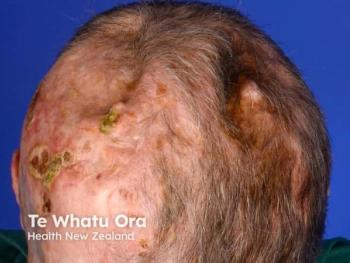
Generalized pustular psoriasis is a distinct and severe autoinflammatory skin disorder characterized by episodic flares of sterile pustules on widespread erythematous skin, often accompanied by systemic manifestations such as fever, malaise, and fatigue. Unlike plaque psoriasis, GPP can rapidly progress and may require hospitalization due to complications including infection, electrolyte imbalance, and organ dysfunction. Mortality risk, although variable, is higher during acute flares. Epidemiological estimates suggest that GPP is rare, with prevalence rates ranging from approximately 2 cases per million in some European populations to more than 100 cases per million in certain Asian regions, underscoring geographic variability and challenges in disease recognition.2
From a mechanistic perspective, GPP is frequently associated with loss-of-function mutations in the IL36RN gene, which encodes the endogenous interleukin-36 receptor antagonist. Deficiency or dysfunction of this regulatory protein results in unopposed IL-36 signaling, leading to excessive activation of innate immune pathways and neutrophilic inflammation in the skin. Imsidolimab is a fully human IgG4 monoclonal antibody designed to inhibit the IL-36 receptor, thereby targeting a central inflammatory pathway implicated in GPP pathogenesis. By blocking IL-36 receptor signaling, imsidolimab is intended to compensate for the functional deficit seen in patients with IL-36RA deficiency.
References