News|Articles|January 1, 2026

Drugs to Watch in 2026

Listen
0:00 / 0:00

Key Takeaways

  • Dermatology is advancing with targeted therapies, gene-modifying approaches, and novel devices, promising to reshape treatment paradigms for various skin conditions.
  • Atopic dermatitis innovations include IL-22 inhibition, OX40L blockade, and dual IL-4Rα/IL-31 blockade, highlighting precision medicine strategies.
SHOW MORE

Explore the latest advancements in dermatology for 2026, featuring innovative therapies and treatments for skin conditions, hair loss, and more.

As we move into 2026, dermatology is poised for another year of remarkable innovation. A growing wave of targeted therapies, gene-modifying approaches, and novel devices is advancing through late-stage clinical trials, promising to reshape treatment paradigms across a spectrum of skin conditions. From chronic inflammatory diseases such as atopic dermatitis and psoriasis to rare genetic disorders, hair loss, hidradenitis suppurativa, and skin cancers, the upcoming pipeline reflects both precision medicine and patient-centered strategies. Clinicians and patients alike can anticipate more effective, durable, and convenient treatment options, many addressing areas that have long represented unmet medical needs.

Atopic Dermatitis (AD)

AD remains a hotbed of innovation, with multiple targeted therapies advancing through late-phase trials:

  • CGB-500 (CAGE Bio): Strong phase 2b efficacy reported, continuing to position IL-22 inhibition as a viable AD strategy.
    “Topicals are essential in proper patient care. We want to give you highly effective topical products so you can reserve systemic drugs for those cases where localized treatment is not practical.”—Nitin Joshi, PhD, CEO and cofounder of CAGE Bio¹
  • Amlitelimab (Sanofi): OX40L blockade demonstrates positive phase 3 results, reinforcing T-cell costimulation as a key therapeutic axis.
  • Rocatinlimab (Amgen; Kyowa Kirin): Maintains favorable safety profile in 24-week study.
  • STAR-0310 (Astria Therapeutics): Long-acting OX40 antagonist shows promising phase 1a data.
  • Rezpegaldesleukin (Rezpeg; NKTR-358; Nektar Therapeutics): Represents a first-in-class immunomodulatory approach.
    “The FDA realizes that the unique mechanism of action of Rezpeg…really could push the envelope.”—Jonathan Zalevsky, PhD, chief of research and development at Nektar Therapeutics2
  • BBT001 (Bambusa Therapeutics): Dual IL-4Rα/IL-31 blockade moving into patient trials, aiming to tackle pruritus and inflammation simultaneously.
  • SYX-5219 (Sitryx): Oral therapy cleared for IND, highlighting the shift toward convenient, systemic options.

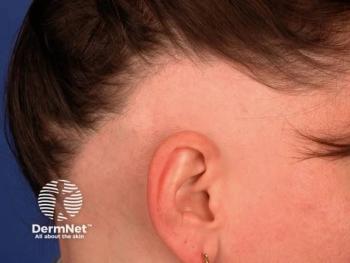
Alopecia Areata (AA) and Androgenetic Alopecia (AGA)

Pipeline activity suggests an expanding arsenal for hair disorders:

  • Bempikibart (Q32 Bio) and Rezpegaldesleukin (Nektar Therapeutics): Both AA therapies received FDA fast track designation, focusing on targeted immune modulation.
    “The fast track designation granted by the FDA recognizes the seriousness of AA and the significant current unmet medical need while underscoring bempikibart’s potential as a novel, differentiated therapy for patients needing new options. We look forward to continued collaboration with the FDA as we work to deliver this potentially paradigm-shifting treatment to patients.”—Jodie Morrison, CEO of Q32 Bio3
  • Upadacitinib (AbbVie) and Ritlecitinib (Pfizer): Strong efficacy in pivotal phase 3 AA trials; oral JAK inhibition continues to lead.
  • Baricitinib (Olumiant): Demonstrates significant hair regrowth in adolescents.
    “For nearly half of the people with severe [AA], the disease starts before adulthood and can progress quickly, significantly impacting patients’ lives.”—Nicole Friedland, president and CEO of the National Alopecia Areata Foundation4
  • PP405 (Pelage) and extended-release minoxidil: Show early promise in AGA, highlighting the combination of convenience and efficacy.

Hidradenitis Suppurativa (HS)

HS pipelines are emphasizing immune and complement pathways:

  • Brivekimig (Sanofi) and Povorcitinib (Incyte): Show sustained efficacy through 24-week phase 2a studies.
    “HS remains a challenging and often debilitating condition, and many patients are in need of new, well-tolerated, and effective therapies that address prominent signs and symptoms of the disease, including inflammatory lesions and pain. The STOP-HS abstract will provide additional detail on povorcitinib as an oral treatment option for HS and its ability to rapidly improve symptoms, with continued clinical responses seen through 24 weeks.”—Pablo J. Cagnoni, MD, president and head of research and development at Incyte5
  • Sonelokimab (MoonLake Immunotherapeutics): Dual phase 3 data reinforce anti-inflammatory potential.
  • AVTX-009 (Avalo Therapeutics): Phase 2 enrollment completed, further expanding IL-targeted options.
    “We are encouraged by the strong investigator and patient engagement in this trial, which reflects the high unmet need that exists for people living with HS. With AVTX-009’s high-affinity inhibition of IL-1β, we believe we are 1 step closer to offering a differentiated—potentially best-in-disease—treatment option for patients [with] this chronic and painful condition.”—Garry Neil, MD, CEO of Avalo Therapeutics6
  • INF904 (InflaRx): Oral C5aR inhibitor with early efficacy in HS and chronic spontaneous urticaria, highlighting complement-targeted strategies.

Psoriatic Disease

Multiple novel agents are targeting cytokine, TYK2, and PDE4 pathways:

  • AX-158 (Artax Biopharma) and AC-201 (Accro Bioscience): Phase 2 results show promise in plaque psoriasis.
  • ASC50 (Ascletis Pharma): Novel oral IL-17 inhibitor cleared for phase 1.
    “The IND clearance of ASC50 marks a new milestone for Ascletis in autoimmune and inflammatory diseases. We are continuing to work on differentiated agents, including oral drugs and once-monthly or less frequent subcutaneously injectables to address unmet medical needs in multiple key therapeutic areas.”—Jason Wu, PhD, founder, chairman, and CEO of Ascletis Pharma7
  • Zasocitinib (Takeda Pharmaceuticals): Avoids JAK1/2/3 inhibition, offering a safer systemic profile.
  • Tildrakizumab (Sun Pharma): Positive phase 3 trial in psoriatic arthritis confirms TNF/IL-23 targeting.
  • ME3183 (Meiji Seika Pharma): PDE4 inhibitor effective in phase 2 psoriasis trial.
  • Envudeucitinib (Alumis) and Icotrokinra (Johnson & Johnson): Sustained efficacy in moderate to severe disease, including challenging areas.
    “TYK2 inhibitors have really changed the landscape in terms of our management of patients with psoriasis. These medications provide meaningful response rates for patients with moderate to severe psoriasis vulgaris, including in difficult-to-treat regions such as the scalp, palms, and soles.”—Benjamin Lockshin, MD, board-certified dermatologist in Rockville, MD, and director of Clinical Trials Center at US Dermatology Partners8
  • Deucravacitinib (Bristol Myers Squibb): Oral TYK2 inhibitor showing sustained efficacy in phase 3 psoriasis trials, including challenging body areas and difficult-to-treat regions. Data highlight favorable safety and the potential for long-term disease control.
  • ORKA-001 (Oruka Therapeutics): Moving toward yearly dosing, highlighting convenience for long-term disease control.

Rare Diseases

Orphan-focused therapies are advancing:

  • Dusquetide (Soligenix): Orphan designation for Behçet disease.
  • TAMES-02 (TolaSure; BioMendics): Epidermolysis bullosa simplex trial progressing, offering hope for blistering disorders.
    “TolaSure is a topical therapy, which makes safety a key advantage. We’ve tested it in over 100 people across different trials and applications. Topicals are more approachable for patients—if there’s a reaction, you can simply discontinue. To potentially achieve disease-modifying effects with a topical is very exciting.”—Karen McGuire, PhD, CEO and cofounder of BioMendics9
  • QRX003 (Quoin Pharmaceuticals): Netherton syndrome receives FDA orphan status.

Skin Cancer

Immunotherapy and noninvasive interventions are moving forward:

  • Vidutolimod combination therapy (Regeneron Pharmaceuticals): Shows promise in advanced melanoma.
    “For PD-1 blockade–resistant melanoma, new immunotherapy combinations are needed to simultaneously target multiple cancer immune evasion mechanisms.”—Milhem et al10
  • Eftilagimod alfa (Immutep): Patients with head and neck squamous cell carcinoma with low PD-L1 expression may benefit from LAG3 modulation.
  • D-MNA (Medicus Pharma): Noninvasive, novel basal cell carcinoma (BCC) therapy enters United Arab Emirates trials.
    “Our interim findings confirm that our novel therapy is a viable commercial product in development that can become the first-in-class as well as the best-in-class noninvasive treatment alternative for BCC.”—Raza Bokhari, MD, CEO of Medicus Pharma11
  • RP1 for advanced melanoma (Replimune Group): FDA biologics license application resubmission is accepted, maintaining momentum for intralesional viral therapies.

Vitiligo

  • Ritlecitinib plus narrowband UVB (nbUV-B; Pfizer): Accelerates repigmentation in nonsegmental vitiligo.
    “Combination therapy with nbUV-B is expected to expedite the response because the immunomodulators are thought to affect step 1 therapy, and the phototherapy would contribute to the second step. The increased interest in the combination therapy is also based on preliminary data showing that the novel immunomodulatory pharmaceuticals combined with nbUV-B phototherapy demonstrated enhanced repigmentation by leveraging the potential additive or even synergistic effects of both treatments.”—Emma Guttman, MD, PhD, chair of the Department of Dermatology at the Icahn School of Medicine at Mount Sinai in New York, New York12
  • Upadacitinib (AbbVie): Positive phase 3 results suggest oral JAK inhibition may become a mainstay.

Conclusion

As 2026 unfolds, dermatology stands at the forefront of innovation, with a robust pipeline of therapies poised to redefine standards of care across a wide range of skin disorders. Advances in immunomodulation, gene therapy, targeted oral agents, and noninvasive treatment delivery are converging to create more durable, effective, and patient-friendly options. From chronic inflammatory conditions and hair loss to rare genetic disorders and skin cancers, the emerging treatments promise not only improved symptom control but also meaningful improvements in quality of life. The breakthroughs in 2025 and the continued momentum of 2026 underscore a broader trend toward precision dermatology and patient-centered care, setting the stage for transformative change in how skin diseases are treated.

References
  1. CAGE Bio reports strong results from its phase 2b atopic dermatitis trial. News release. CAGE Bio. September 4, 2025. Accessed November 11, 2025. https://www.prnewswire.com/news-releases/cage-bio-reports-strong-results-from-its-phase-2b-atopic-dermatitis-trial-302547128.html?tc=eml_cleartime
  2. Andrus E, Zalevsky J. Nektar’s Jonathan Zalevsky, PhD, dives into rezpegaldesleukin fast track designation for atopic dermatitis. Dermatology Times. February 14, 2025. Accessed November 11, 2025. https://www.dermatologytimes.com/view/nektar-s-jonathan-zalevsky-phd-dives-into-rezpegaldesleukin-fast-track-designation-for-atopic-dermatitis
  3. Q32 Bio announces FDA fast track designation granted to bempikibart (ADX-914) for the treatment of alopecia areata. Q32 Bio. April 30, 2025. Accessed November 11, 2025. https://www.prnewswire.com/news-releases/q32-bio-announces-fda-fast-track-designation-granted-to-bempikibart-adx-914-for-the-treatment-of-alopecia-areata-302441850.html
  4. Lilly’s baricitinib delivered near-complete scalp hair regrowth at one year for adolescents with severe alopecia areata in phase 3 BRAVE-AA-PEDS trial. News release. Eli Lilly and Company. October 24, 2025. Accessed November 11, 2025. https://www.prnewswire.com/news-releases/lillys-baricitinib-delivered-near-complete-scalp-hair-regrowth-at-one-year-for-adolescents-with-severe-alopecia-areata-in-phase-3-brave-aa-peds-trial-302593426.html
  5. Incyte announces new 24-week phase 3 data from the STOP-HS clinical trial program of povorcitinib in hidradenitis suppurativa at EADV 2025. News release. Incyte. September 17, 2025. Accessed November 11, 2025. https://investor.incyte.com/news-releases/news-release-details/incyte-announces-new-24-week-phase-3-data-stop-hs-clinical-trial
  6. Avalo Therapeutics announces completion of enrollment in phase 2 LOTUS trial of AVTX-009 for the treatment of hidradenitis suppurativa. News release. Avalo Therapeutics. October 29, 2025. Accessed November 11, 2025. https://www.globenewswire.com/news-release/2025/10/29/3176254/0/en/Avalo-Therapeutics-Announces-Completion-of-Enrollment-in-Phase-2-LOTUS-Trial-of-AVTX-009-for-the-Treatment-of-Hidradenitis-Suppurativa.html
  7. Ascletis announces US FDA clearance of IND application for its oral small molecule IL-17 inhibitor, ASC50, for the treatment of psoriasis. News release. Ascletis Pharma. May 22, 2025. Accessed November 11, 2025. https://www.prnewswire.com/news-releases/ascletis-announces-us-fda-clearance-of-ind-application-for-its-oral-small-molecule-il-17-inhibitor-asc50-for-the-treatment-of-psoriasis-302462995.html
  8. Lockshin B, Hebebrand M. Second generation TYK2 inhibitors transform psoriasis management. Dermatology Times. October 26, 2025. Accessed November 11, 2025. https://www.dermatologytimes.com/view/second-generation-tyk2-inhibitors-transform-psoriasis-management
  9. Hebebrand M, McGuire K. Karen McGuire, PhD, on advancing TAMES-02 trial for EB simplex. Dermatology Times. August 20, 2025. Accessed November 11, 2025. https://www.dermatologytimes.com/view/karen-mcguire-phd-on-advancing-tames-02-trial-for-eb-simplex
  10. Milhem MM, Zakharia Y, Davar D, et al. Intratumoral vidutolimod as monotherapy or in combination with pembrolizumab in patients with programmed cell death 1 blockade-resistant melanoma: final analysis from a phase 1b study. Cancer. 2025;131(15):e70022. doi:10.1002/cncr.70022
  11. Medicus Pharma Ltd announces positively trending interim analysis for SKNJCT-003 phase 2 clinical study to non-invasively treat basal cell carcinoma of the skin (BCC). News release. Medicus Pharma. March 6, 2025. Accessed November 11, 2025. https://medicuspharma.com/medicus-pharma-ltd-announces-positively-trending-interim-analysis-for-sknjct-003-phase-2-clinical-study-to-non-invasively-treat-basal-cell-carcinoma-of-the-skin-bcc/
  12. Guttman-Yassky E. Oral ritlecitinib plus nbUV-B accelerates repigmentation in nonsegmental vitiligo. Dermatology Times. June 17, 2025. Accessed November 11, 2025. https://www.dermatologytimes.com/view/oral-ritlecitinib-plus-nbuv-b-accelerates-repigmentation-in-nonsegmental-vitiligo

Newsletter

Like what you’re reading? Subscribe to Dermatology Times for weekly updates on therapies, innovations, and real-world practice tips.


Latest CME