The FDA approval, based on 36-week data from the phase 3 BRAVE-AA-PEDS trial, extends baricitinib access to patients as young as 12 years old with severe alopecia areata.
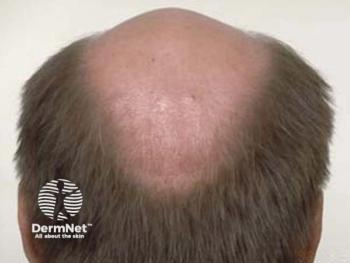
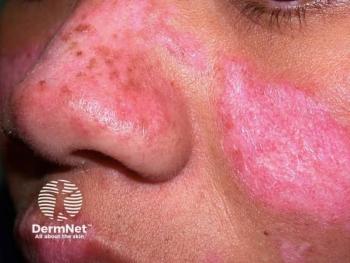
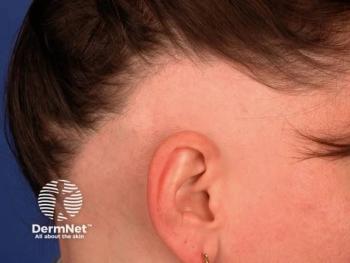
A late-breaking EADV presentation revealed that ritlecitinib significantly improved outcomes in patients with multiple forms of scarring alopecia.
At the recent
Guttman-Yassky highlighted that the concept for the study originated from translational research within her own laboratory. “We’ve done a study in scarring alopecia that showed for the first time that they are not all about fibrosis. There is actually an inflammatory component in scarring alopecia, and particularly, it involves elevation of JAK3.” This mechanistic observation provided the rationale for testing ritlecitinib, which selectively inhibits JAK3, thereby targeting lymphocyte signaling pathways implicated in inflammatory hair follicle destruction.
The multicenter, collaborative study with Pfizer enrolled approximately 50 patients spanning the three major scarring alopecia subtypes. According to Guttman-Yassky, “we achieved significance, interestingly, in all of the 3 conditions,” with measurable improvements in both clinical endpoints and biomarker profiles. These included reductions in inflammatory gene expression and concomitant increases in hair keratin expression, suggesting partial restoration of follicular function. “Inhibition of inflammatory biomarkers and increases in hair keratins basically proves what we postulated, because we postulated early on that when you dampen the inflammation, you will be able to also change the fibrosis component and allow hair growth.”
Importantly, the study also identified a temporal window of therapeutic opportunity. Patients treated within 3.5 years of disease onset were more likely to experience hair regrowth, underscoring the importance of early intervention before irreversible follicular fibrosis predominates. The findings support the notion that even in scarring alopecias, residual follicular stem cells may persist and remain capable of regeneration once the inflammatory milieu is adequately controlled.
At present, there are no FDA-approved treatments for scarring alopecias, and available options largely rely on off-label use of corticosteroids, hydroxychloroquine, or non-specific immunomodulators. Ritlecitinib’s targeted mechanism and preliminary efficacy make it a compelling candidate for future development. The 48-week trial provides a framework for larger, confirmatory studies assessing long-term outcomes and safety in this underserved patient population.
As Guttman-Yassky emphasized, “our patients need the drugs sooner rather than later, and I’m very, very hopeful that Pfizer will actually take it to the market because our patients really need additional treatments.”