This review of the latest dermatological studies includes insights on ruxolitinib for lichen planus, early vitiligo treatment, psoriasis response, AD disease control, and PFB management.
Explore the importance of high-energy visible (HEV) blue light protection, especially post procedures, and discover effective patient strategies for managing melasma and skin health.
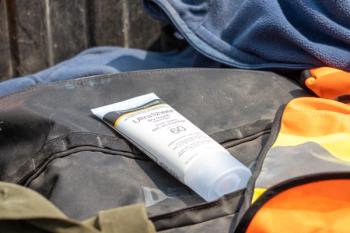
Because melasma is highly sensitive to multiple wavelengths of light, she encourages clinicians to counsel patients that UVA, UVB, and HEV exposure can all trigger flares and postinflammatory hyperpigmentation. To mitigate HEV-related effects, Daly recommends tinted mineral sunscreens containing iron oxides, which can help block visible light while providing broad-spectrum UV protection. She also discussed adjunctive behavioral strategies, including blue light–filtering eyewear and awareness of cumulative screen exposure, especially in patients with pigmentary disorders.
Daly underscored that strict photoprotection is especially critical after aesthetic procedures, such as nonablative laser treatments, ablative resurfacing, and chemical peels. Postprocedural skin is functionally immature and more susceptible to photodamage and dyspigmentation while barrier repair and epidermal turnover are ongoing. Even incidental winter exposure or indoor light can provoke postinflammatory pigmentation in this vulnerable window. She frames sunscreen use as essential to protecting procedural outcomes, noting that failure to maintain photoprotection may negate treatment benefits and create new pigmentary complications.
“If you're investing a lot into services to help with photoaging or just natural antiaging rejuvenation, you [have] to protect yourself. You might as well not do the procedure if you're not going to be committing to protecting yourself as well,” she often tells patients.
Addressing sunscreen formulation trends, Daly expressed a strong preference for mineral-based products over chemical filters, citing tolerability and patient perception of safety. She highlighted cosmetic elegance and ease of use as critical for adherence, particularly tinted formulations that double as light cosmetic coverage. Finally, she noted the growing influence of social media–driven skin care trends in the consultation room and stressed the importance of clinician-led education grounded in evidence, ingredient literacy, and individualized assessment to counter misinformation and guide patients toward consistent, medically appropriate photoprotection strategies.