

Feature|Videos|November 16, 2026
Monitoring and Treatment Selection for Oral TYK2 Inhibitors in Psoriasis
Author(s)Mark G. Lebwohl, MD
Mark Lebwohl, MD, discusses monitoring needs for TYK2 inhibitors and choosing among oral and injectable therapies for psoriasis.
Advertisement
Mark Lebwohl, MD, dermatologist, dean for clinical therapeutics at the Icahn School of Medicine at Mount Sinai, and chairman emeritus of the department of dermatology at Mount Sinai, addressed expected FDA requirements for TYK2 inhibitors in psoriasis and how he weighs oral and injectable options in a recent


Anticipated Monitoring Requirements for TYK2 Inhibitors
Lebwohl noted the agency has not yet defined requirements for the newer agents. The deucravacitinib package insert includes a discussion of tuberculosis screening, and he expects the FDA to require it again. The same insert references liver and lipid measures, but labeling for the newer agents remains unknown.
“We don’t know what the FDA will require,” Lebwohl said.
He does not expect many of the laboratory tests used with JAK inhibitors to be affected by TYK2 inhibitors. He is unsure any of those tests will ever prove helpful. Experience with deucravacitinib has been excellent, he said.
“We’ve not seen an increase in any impact on any of the parameters checked with blood work,” Lebwohl said.
“So I don’t think monitoring will be an important part of this,” Lebwohl said.
Oral and Injectable Options Beyond Apremilast
Lebwohl said the newer oral TYK2 inhibitors and icotrokinra have all shown superiority to apremilast or deucravacitinib. Deucravacitinib, in turn, showed superiority to apremilast. He considers these drugs more powerful, and he discusses a newer oral or an injectable biologic with patients.
Selecting IL-17 and IL-23 Blockers
IL-17 and IL-23 blockers appear highly effective in this population, Lebwohl said. For very severe disease, he is often inclined to use the fastest drugs available, which tend to be IL-17 blockers. Psoriatic arthritis also points him toward this class.
“I’ll often be inclined to use an IL-17 blocker because they do work fairly well and quickly for psoriatic arthritis,” Lebwohl said.
For patients who dislike injections, or who lack arthritis and want a convenient schedule, he often chooses IL-23 blockers, given as infrequently as every 2 or 3 months. Those patients are also offered an oral option such as icotrokinra, an IL-23 receptor blocker, or a TYK2 inhibitor. The newer TYK2 inhibitors appear just as effective as icotrokinra, he said.
More Choices for Patients With Psoriasis
“Having more choices to treat psoriasis is always better,” Lebwohl said. Patients who prefer to avoid injections do not need to receive them, and options exist for those wanting fast results or few doses.
“It is uncommon for me to not be able to successfully treat a psoriasis patient, thanks to all of these options,” Lebwohl said.
Advertisement
Related to this article

Phase 3 OptIMMize-1 findings show sustained skin clearance, itch reduction, and quality-of-life improvements with risankizumab through 52 weeks.
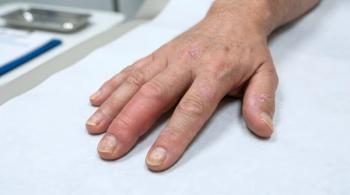
BE BOLD Week 24 data show sustained numerical advantages in joint responses with bimekizumab versus risankizumab in active psoriatic arthritis.

Doral Fredericks, PharmD, MBA, discusses how life stages, mental health, and reproductive concerns can shape dermatologic care for women.
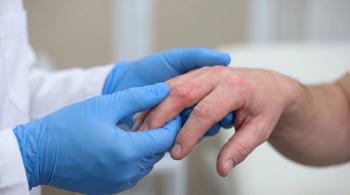
The approval expands the IL-23 inhibitor’s indications beyond moderate-to-severe plaque psoriasis to include adults with active psoriatic arthritis.
Updated SKYRIZI labeling allows clinicians to use clinical judgment when determining the need for TB evaluation before treatment.

Experts outline how to recognize undertreated psoriasis, assess incomplete response, and make individualized decisions when escalating therapy.
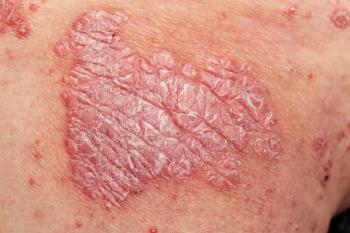
ORKA-001 achieved PASI 100 in 61% of high-dose patients at week 16 in the phase 2b EVERLAST-B trial of moderate-to-severe psoriasis.
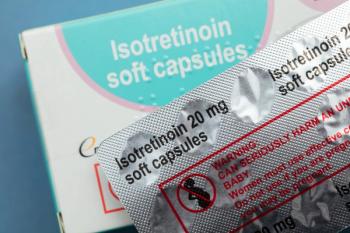
FDA implements updated iPLEDGE REMS requirements for isotretinoin, allowing at-home pregnancy testing and reducing prescription and counseling burdens.
Advertisement
Advertisement
Trending on Dermatology Times
1
Phase 3 Trial Supports Risankizumab for Pediatric Psoriasis
2
Social Media Mythbusters: Do Post-Workout Sprays Prevent Acne?
3
Aclaris' Bosakitug Misses Phase 2 Endpoints in Atopic Dermatitis
4
Oral Psoriasis Therapy: Response Over Time, Durability, and Monitoring
5