

Feature|Videos|November 13, 2026
Oral Psoriasis Therapy: Response Over Time, Durability, and Monitoring
Author(s)Mark G. Lebwohl, MD
Mark Lebwohl, MD, dean for clinical therapeutics at the Icahn School of Medicine at Mount Sinai, discussed response over time, site-specific outcomes, durability, and monitoring for oral psoriasis therapies.
Advertisement
Mark Lebwohl, MD, dermatologist, dean for clinical therapeutics at the Icahn School of Medicine at Mount Sinai, and chairman emeritus of the department of dermatology at Mount Sinai, discussed icotrokinra (Icotyde; Johnson & Johnson), envudeucitinib (Alumis), and zasocitinib (Takeda) for psoriasis in a recent

Response Over Time With Oral Psoriasis Therapy
Lebwohl said icotrokinra and the TYK2 inhibitors do not peak at 16 weeks. Patients gain additional benefit through 24 weeks, so peak effect arrives somewhat later.
“While they may be a little bit slower getting to their peak effect, their peak effect is pretty good,” Lebwohl said.
He noted the data come from an open label extension without placebo control. Many biologic and oral therapies reach higher PASI 100 rates as patients approach a year of treatment.
“For an oral therapy to achieve 54% PASI 100, even a month after treatment, is quite an accomplishment and something we have not seen before with a pill,” Lebwohl said.
Scalp, Nail, and Palm and Sole Psoriasis
Scalp involvement is common, and itching is particularly bad in those patients, Lebwohl said. Oral agents used for psoriasis treat the scalp across the board, and most patients respond to the same drugs used elsewhere on the body.
Response separates in 2 locations. Fingernails lag behind the rest of the body because the nail bed and nail matrix must normalize before nails grow out, which usually takes months.
Palm and sole disease is the other. Lebwohl suggested the difficulty large molecules have reaching the thick stratum corneum through small peripheral vessels may explain limited biologic efficacy in hands and feet. Oral agents are much smaller, and good palm and sole responses have been reported largely with oral JAK inhibitors.
Durability of Response
Durability appears quite good so far. Lebwohl acknowledged some attrition, including loss of efficacy and dropouts from inadequate response.
“The patients who stay on the drug, a very high proportion of them will remain responsive to the drug for long periods of follow-up,” Lebwohl said.
Monitoring Requirements by Drug Class
Monitoring depends on the drug, Lebwohl said. JAK inhibitors, used primarily for psoriatic arthritis, call for CBC, chemistry screens, lipids, and an annual TB test.
IL-17 and IL-23 blockers have not been shown to reactivate latent TB, and the FDA has been asked to remove the testing requirement for them. TNF blockers, JAK inhibitors, methotrexate, and cyclosporine do reactivate latent TB.
“Yeast infections are a known side effect of IL-17 inhibitors, but they tend to be very mild,” Lebwohl said.
Such infections usually involve the tongue, a condition called thrush, and are easily treated. Lebwohl said the field is finally in an era of drugs with almost no immunosuppression.
Advertisement
Related to this article

Phase 3 OptIMMize-1 findings show sustained skin clearance, itch reduction, and quality-of-life improvements with risankizumab through 52 weeks.
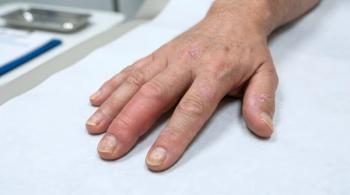
BE BOLD Week 24 data show sustained numerical advantages in joint responses with bimekizumab versus risankizumab in active psoriatic arthritis.

Doral Fredericks, PharmD, MBA, discusses how life stages, mental health, and reproductive concerns can shape dermatologic care for women.
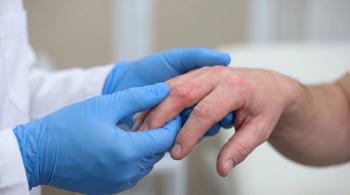
The approval expands the IL-23 inhibitor’s indications beyond moderate-to-severe plaque psoriasis to include adults with active psoriatic arthritis.
Updated SKYRIZI labeling allows clinicians to use clinical judgment when determining the need for TB evaluation before treatment.

Experts outline how to recognize undertreated psoriasis, assess incomplete response, and make individualized decisions when escalating therapy.
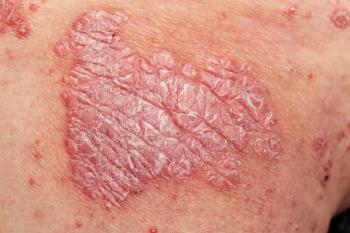
ORKA-001 achieved PASI 100 in 61% of high-dose patients at week 16 in the phase 2b EVERLAST-B trial of moderate-to-severe psoriasis.
A pediatric dermatologist explains how CALM count, size, age, and associated findings separate benign spots from neurofibromatosis type 1 and its mimics.
Advertisement
Advertisement
Trending on Dermatology Times
1
Phase 3 Trial Supports Risankizumab for Pediatric Psoriasis
2
Dermatology Times Monthly FDA and Pipeline Review: October 2026
3
Veradermics Reports Sustained Hair Growth With VDPHL01 at 1 Year
4
Brepocitinib Clears Skin in 69% of Cutaneous Sarcoidosis Patients
5