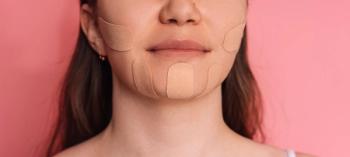
From “Botox in a bottle” to castor oil and face taping, Dermatology Times reviews the evidence behind 3 viral dermatology trends from October.

Bioelements and Celluma partnered to educate estheticians on integrating LED light therapy into customized facial treatments for acne and aging skin.
Bioelements and Celluma Light Therapy have partnered to expand professional education on integrating light-emitting diode (LED) technology into customized facial treatments. The collaboration brings together Bioelements' skin care protocols and Celluma's LED devices, with an emphasis on evidence-informed treatment planning for
As part of the partnership, the companies announced The LED Facial Evolution, a 60-minute educational webinar held on October 19, 2026, designed to help estheticians understand how LED technology can complement existing professional skin care protocols.
The session was led by Beth Bialko, senior director of education at Bioelements, and Annet King, global vice president of global sales at Celluma Light Therapy.
The collaboration focuses on helping estheticians determine when and how to incorporate LED light therapy into facial treatments based on individual skin concerns and treatment objectives.
LED therapy uses specific wavelengths of light to interact with biological processes in the skin. Blue, red, and near-infrared wavelengths are commonly used in aesthetic settings, although their mechanisms, clinical applications, and supporting evidence differ.
According to the companies, the educational initiative emphasized 4 factors that influence LED treatment delivery: wavelength, dose, treatment duration, and proximity to the skin.
"Estheticians are always looking for ways to make their protocols more effective and more personalized, and LED is one of the most versatile tools they can add to their services," Bialko said in a company news release.
"By pairing Celluma's technology with our biomarker-driven Bioelements protocols, we're giving professionals a clear, science-backed roadmap for exactly where and how to layer light therapy into the treatment, so every session delivers more value."
A central component of the educational initiative was the introduction of 3 jointly developed Bioelements and Celluma treatment protocols addressing acne, aging skin, and skin recovery.
The protocols were designed to demonstrate how LED technology could be incorporated at different stages of a professional facial, allowing estheticians to adapt treatments to individual patient or client needs.
The webinar also addressed the relationship between LED treatment parameters and clinical applications, including the use of blue, red, and near-infrared light.
Celluma devices are used in professional aesthetic and medical settings, and the manufacturer reports that its technology has received US Food and Drug Administration clearance for multiple indications, including certain acne, skin aging, hair growth, and
However, the clinical effectiveness of LED therapy depends on the indication, device, treatment parameters, and available supporting evidence. The companies did not provide clinical outcome data demonstrating that the newly developed combination protocols outperform either intervention alone.
Beyond addressing specific skin concerns, the collaboration aims to help estheticians make more informed decisions about integrating
The educational program included guidance on treatment sequencing, selecting appropriate LED applications, and incorporating complementary technologies into professional facial protocols.
"We're excited to partner with Bioelements to show skin and body care professionals how thoughtfully integrating Celluma LED into the client journey can elevate results and treatment value," King said in the release.
"This webinar will connect the science with practical, customizable protocols that professionals can immediately apply to support acne, aging skin, body contouring, pain relief and recovery."
The partnership also reflects growing interest in combining topical skin care products with noninvasive device-based technologies. Although LED therapy has established applications in certain dermatologic and aesthetic settings, further clinical research is needed to evaluate the effectiveness of specific combination protocols.
Through the initiative, Bioelements and Celluma aim to provide estheticians with practical education on LED treatment parameters, individualized protocol development, and the integration of light-based technology into professional skin care services.
References