Though convenient, SPF-infused cosmetics rarely deliver their labeled protection level in real-world use, underscoring the continued need for a dedicated broad-spectrum sunscreen as the foundation of any routine.
Lisa Pruett, MD, FAAD, shares evidence-based acne care, debunks summer retinoid myths, and explains how Glo2Facial oxygenation and exfoliation support clearer skin and fade marks.
Even as
Dermatology Times: As we celebrate June’s Acne Awareness Month, what special considerations and adjustments do you have your patents make in the summer months?
Pruett: I actually don’t believe you need to adjust your skin care during different seasons—of course, the most obvious issue in the summer is more UV light exposure, but I recommend protecting skin from UV light all year long. I also have to remind patients that they can use their active topical ingredients in the summer. I have patients who have been given misinformation telling them to skip their retinoids during the summer; this most definitely is not something I recommend.
Dermatology Times: With the influx of viral social media skin care trends, how do you fight misinformation in clinic and restore damaged skin barriers, especially in your acne-prone patients?
Pruett: The true way to fight misinformation is to practice evidence-based medicine. My patients are choosing to have a face-to-face consultation with a dermatologist instead of trying to treat themselves with what they can learn from AI and social media, or after they have already tried that and failed. It’s easy to fight the misinformation by showing them what actually works—and them seeing their skin conditions improve. A lot of patients come in with so many different products, and I think it is effective to simplify their routine with ingredients that I know will work for their skin concern.
Dermatology Times: How does the unique multi-technology Glo2Facial system fit within your broader acne and acne scar treatment algorithms? What is your favorite customization to target acne?
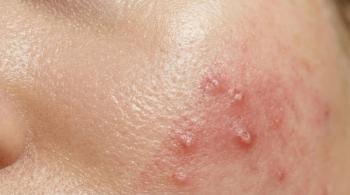
Pruett: The Glo2Facial system fits very well with acne patients. I would say the Oxygenation step is very helpful and most effective. We know that in general, our pilosebaceous units are in a hypoxic state, and when we oxygenate the skin, the yeast and bacteria involved in the acne inflammatory cascade are reduced. The simultaneous gentle exfoliation of the skin is also an important mechanism, and something that is a foundation for acne treatment with our prescription topicals. My favorite Glo2Facial customization to target acne is the Clarify pod. The ingredients in that pod and serum are specifically designed to treat oily, acne-prone skin, helping to loosen the hyper-keratinization and decrease inflammation.
This is a treatment patients can do paired with their daily skin care regimen to get a more efficient response to their acne clearance. Post-inflammatory pigment alteration, which a lot of our patients call their “scarring” when we know it is not, can benefit from this system as well, and their cell turnover and customization can be geared toward their post-acne marks. You can also use the system to prep the skin for more aggressive acne scarring treatments that look for water in the skin as its target. I give my patients options and typically recommend monthly Glo2Facial treatments as an adjunct to their medical prescription plan.
Dermatology Times: Is there anything else you’d like to share with our audience of clinicians for Acne Awareness Month?
Pruett: I believe what’s still missing in the acne treatment landscape are treatments that give faster clearance of acne. I am not sure if this will ever be attainable, but if we had modalities that could clear the skin within a few weeks, it would be a blockbuster hit. Acne is one of the most common conditions we treat, but that does not make it insignificant. For many patients, it affects confidence, social development, and overall quality of life in ways that are often underestimated and can even cause permanent scarring.
During Acne Awareness Month, it’s important to remember that acne is a medical condition and it deserves thoughtful, individualized care from a skin expert. Our patients come to us to cut out the noise they get bombarded with on social media on how they should treat their skin. We, as dermatologists, should be leading the way for them during their journey to clear skin.
[This transcript has been edited for clarity]