Late-breaking trial data offered encouraging signs of progress. Subgroup analyses demonstrated that targeted therapies, including biologics and JAK inhibitors, can deliver meaningful efficacy across skin types and racial groups in conditions such as atopic dermatitis and alopecia areata. However, experts continued to stress that post hoc analyses alone are insufficient, advocating for diversity to be built into trials from inception.
Industry-led initiatives aimed at expanding access to clinical research—including multi-site models and community-based recruitment strategies—further highlighted the importance of representation not only in outcomes, but in trial participation itself.
Disparities in Diagnosis, Access, and Outcomes
Throughout the year, data reinforced that dermatologic disparities persist across age, race, geography, and socioeconomic status. Pediatric atopic dermatitis emerged as a key example, with evidence showing higher disease prevalence and worse outcomes among children of color, compounded by limited access to pediatric dermatologists and the influence of social determinants of health.
Delayed or missed diagnoses remained a concern in skin cancer, hidradenitis suppurativa, and nail disorders in skin of color, where differences in presentation and gaps in clinician training contribute to inequitable outcomes. Rural access challenges further amplify these disparities, with patients in underserved areas facing prolonged wait times and fewer specialty resources.
Global surveys and regional studies added nuance, revealing misalignment in treatment guidelines for pregnant patients with inflammatory skin disease and highlighting international variability in access to care, education, and mental health support.
Psychosocial Burden and Mental Health Considerations
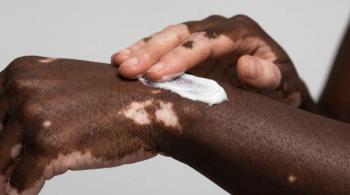
In 2025, the psychosocial dimensions of dermatologic disease were increasingly recognized as equity issues in their own right. Research across conditions—including vitiligo, psoriasis, rosacea, and hidradenitis suppurativa—demonstrated disproportionate rates of depression, anxiety, sleep disorders, and suicidal ideation among certain racial and ethnic groups.
These findings reinforced calls for routine mental health screening, culturally sensitive counseling, and collaboration with advocacy organizations. Patient narratives and advocacy-driven content further emphasized the value of listening to lived experience—not only to understand disease burden, but to inform more compassionate, patient-centered care models.
Prevention, Education, and Public Health Initiatives
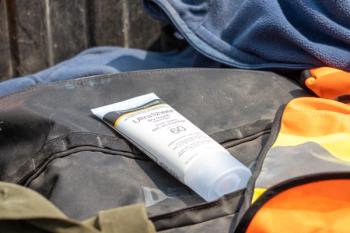
Preventive care and education remained critical levers for advancing equity. Studies on sunscreen use and post-inflammatory hyperpigmentation highlighted both the effectiveness of photoprotection and the gaps in awareness, adherence, and culturally relevant education—particularly in skin of color.
Public health initiatives, including campus-based skin health programs and expanded visual education tools, aimed to normalize sun safety, improve diagnostic accuracy, and reduce long-standing educational blind spots. Efforts to create inclusive image libraries and standardized skin quality vocabularies reflected broader attempts to ensure that educational resources better represent the full spectrum of patients seen in clinical practice.
Cultural Competency and Ethical Practice
Cultural competency emerged as a cornerstone of equitable dermatologic care in 2025, particularly within aesthetics and hair and scalp health. Expert discussions highlighted how understanding cultural practices, hair care routines, and patient expectations can directly influence outcomes and trust.
Ethical considerations—ranging from aesthetic decision-making to informed consent and patient education—were increasingly framed through an equity lens. Clinicians were encouraged to examine how implicit bias, communication gaps, and structural barriers may shape patient experiences, even when clinical intent is well-meaning.
Innovation, Technology, and Global Access
Technology offered both promise and caution in the equity conversation. Artificial intelligence tools were explored as potential aids for education, diagnosis, and patient engagement, with experts emphasizing the need for diverse training data and careful implementation to avoid reinforcing existing biases.
Global health initiatives and grant-supported programs demonstrated how sustainable, community-driven approaches can expand dermatologic access beyond high-resource settings. Rather than short-term interventions, these efforts prioritized education, capacity building, and long-term partnership—signaling a more ethical model for global dermatology engagement.