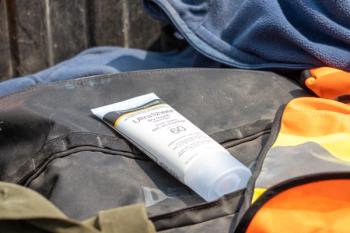
Two new Neutrogena facial sunscreens incorporate bemotrizinol, the first new sunscreen active ingredient added to the US OTC monograph in decades.
New evidence supports biologic agents as precise, better-tolerated alternatives to systemic immunosuppressants for life-threatening dermatologic emergencies.
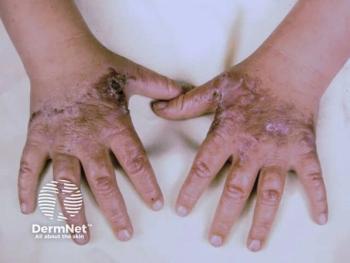
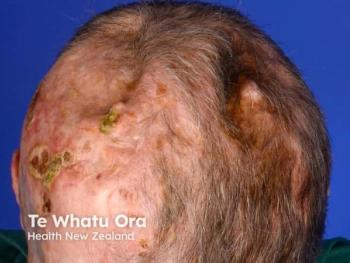
Biologic therapies are rapidly redefining the management of acute dermatologic emergencies, offering targeted interventions that address underlying immunologic drivers rather than relying solely on broad immunosuppression.1 A 2025 comprehensive review published in the Journal of the American Academy of Dermatology by Modanlo et al synthesized emerging evidence on the use of biologics for several life-threatening skin conditions, including drug reaction with eosinophilia and systemic symptoms (DRESS), Stevens-Johnson syndrome/toxic epidermal necrolysis (SJS/TEN), pemphigus vulgaris (PV), and generalized pustular psoriasis (GPP).2
These conditions share a common pathophysiologic thread: immune dysregulation leading to extensive tissue damage and systemic inflammation. Conventional management, typically involving high-dose corticosteroids, cyclosporine, or supportive measures, has often been limited by adverse effects, delayed efficacy, and variable outcomes. Biologics, designed to selectively inhibit specific cytokines or immune pathways, now provide clinicians with mechanistically guided options that may improve survival, accelerate recovery, and reduce treatment toxicity.
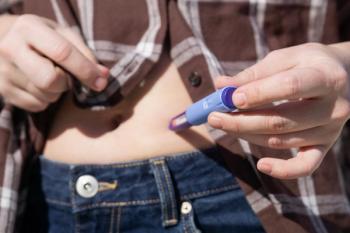
DRESS is a delayed hypersensitivity reaction marked by widespread rash, eosinophilia, and potential multiorgan dysfunction. Mortality can reach 20%, with corticosteroids serving as the traditional mainstay despite risks of infection and metabolic complications. The review highlights the growing role of biologics that inhibit the IL-5 pathway, namely benralizumab, mepolizumab, and reslizumab, which rapidly suppress eosinophilic activity. Case-based evidence demonstrates that a single 30-mg subcutaneous dose of benralizumab often normalizes eosinophil counts and improves systemic symptoms within days.
Other promising agents include dupilumab, an IL-4 receptor α inhibitor that modulates Th2 inflammation, showing benefit in steroid-refractory cases. The authors note, however, that transient hypereosinophilia can occur post administration and warrants monitoring. Meanwhile, intravenous immunoglobulin (IVIG) remains controversial; although some studies suggest benefit when added to corticosteroids, others report minimal effect or high adverse event rates. IVIG may be best reserved for patients in whom systemic immunosuppression is contraindicated or for those with concurrent infection.
SJS and TEN are among the most devastating mucocutaneous reactions, with mortality rates approaching 30%. Traditional therapies include corticosteroids, cyclosporine, and supportive care in burn units. Increasing evidence supports TNFα blockade, particularly with etanercept, as an effective adjunct or alternative. Randomized controlled data show that etanercept accelerates skin healing, reduces hospital stay, and improves survival compared with historical controls. The biologic’s mechanism, blocking TNF-mediated keratinocyte apoptosis, directly interferes with the cytotoxic pathways central to disease progression.
Etanercept has also shown efficacy in related disorders, such as erythema multiforme and reactive infectious mucocutaneous eruption, particularly in pediatric populations. As in DRESS, IVIG use remains debated due to mixed outcomes; although some reports indicate improved reepithelialization, others find no mortality benefit. Clinicians are advised to individualize therapy based on disease severity, infection risk, and comorbidities.
For PV, rituximab—a CD20-directed monoclonal antibody—has become first-line therapy, demonstrating superior efficacy to corticosteroids alone. In large randomized trials, rituximab achieved long-term remission in nearly 90% of patients when combined with a brief prednisone taper. Its onset, however, can take several weeks, limiting its immediate role in acute flares.
IVIG remains useful as bridge therapy during the lag period before rituximab’s effect or when rapid antibody neutralization is required. Emerging biologics, such as efgartigimod, which reduces circulating IgG via neonatal Fc receptor blockade, showed early promise in phase 2 studies but failed to meet end points in phase 3 trials, curtailing further development for PV at present.
GPP is an inflammatory emergency characterized by sterile pustules, fever, and systemic symptoms. The IL-36 signaling axis has emerged as a central pathogenic driver, leading to the development of spesolimab, an IL-36 receptor antagonist and the first FDA-approved biologic specifically for GPP in patients aged 12 years and older. A single 900-mg IV infusion can induce marked improvement within 48 to 72 hours, with a repeat dose for persistent activity.
Alternative biologics include TNF inhibitors such as infliximab, adalimumab, and etanercept, as well as IL-1 antagonists like anakinra and gevokizumab, which target upstream cytokines that amplify the IL-36 response. Conventional psoriasis biologics (IL-17 or IL-23 inhibitors) may also be effective in GPP cases with overlapping plaque-type disease.
The review emphasizes practical considerations for hospital use. Prebiologic screening for hepatitis B and C and tuberculosis remains advisable, but researchers say it should not delay urgent treatment in unstable patients. Infections represent relative contraindications but may not preclude biologic therapy when controlled under active antimicrobial coverage. Access barriers remain a major limitation, as biologics are often unavailable on inpatient formularies and may require dermatologic advocacy for expedited approval.
Overall, biologics offer mechanistically precise, often rapidly acting, and better-tolerated options compared with traditional systemic therapies. Although most data derive from case reports and small series, early outcomes are promising. As mechanistic insights evolve and larger studies emerge, biologics are poised to become integral components of emergency dermatologic care, marking a significant shift toward targeted immunomodulation in acute disease management.
References