

Every week, we cut through the noise to bring clinicians the trial results, approvals, and emerging therapies that are actually moving the needle.
Maddi Hebebrand is an associate editor of Dermatology Times and joined the MJH Life Sciences team in May 2024. She attended Baldwin Wallace University, studying Media Production and Film, and received her Masters in Digital Media from Ohio University. When she's not writing, Maddi loves to read, attend concerts and spend time with her family.
Every week, we cut through the noise to bring clinicians the trial results, approvals, and emerging therapies that are actually moving the needle.

Meet Andrew C. Krakowski, MD, as he introduces Don't Be Rash and previews the conversations shaping the future of pediatric dermatology.
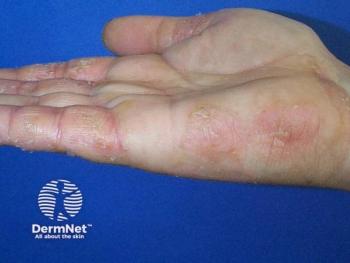
The CHECK-US study found that patients commonly perceive their CHE as driven by overlapping environmental, biological, psychological, and lifestyle factors.
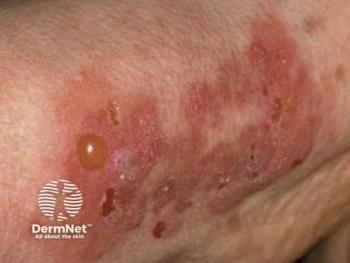
A new case-control study found that patients with pemphigus vulgaris and bullous pemphigoid face more than twice the odds of comorbid acute stress disorder compared with matched controls.

Elevated rates of herpes simplex, herpes zoster, and opportunistic infections in the vitiligo cohort underscore infection risk considerations

A large All of Us cohort analysis found high rates of obesity and depression in both eczema and psoriasis, reinforcing their systemic nature.

Many participants in the mobile screening program have never previously seen a dermatologist.

Oral therapies may provide more widespread and effective repigmentation, especially in extensive nonsegmental vitiligo.

Work productivity loss fell from 44.3% at baseline to 19.0% at week 52 in the total study population, representing a clinically meaningful reduction in occupational impairment over the full treatment period.

Two oral BTK inhibitors and two injectable biologics demonstrated superior efficacy over placebo in a systematic review of 16 CSU trials.

Explore the top headlines of the week, including insights on the latest clinical trials, therapeutic updates, and more.

This week, we feature top articles from our sister publications on regulatory updates, clinical trial insights, and more.
Every week, we cut through the noise to bring clinicians the trial results, approvals, and emerging therapies that are actually moving the needle.

The guidelines formalize a stepwise treatment approach ranging from emollients and topical steroids to systemic therapies.
The newly published tool, ODD-SPOT, offers a plain-language, photo-supported alternative to the ABCDE criteria, designed to capture the key warning signs of BCC, SCC, and melanoma in accessible terms.
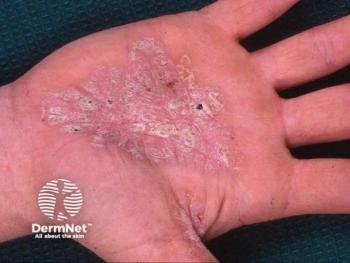
Among systemic-experienced patients, delgocitinib cream still achieved statistically significant efficacy advantages over cream vehicle across all measured outcomes.

The combination of rapid onset and durable response positions zumilokibart as a potentially attractive first-line biologic option.
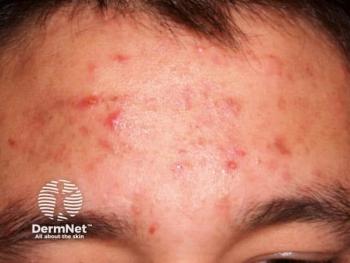
A cross-sectional study of 403 acne patients found that higher impulsivity scores were significantly associated with both the presence and severity of acne scars.

Around 80% of clinical trials face enrollment delays, and for rare genodermatoses with small patient pools, AI-generated synthetic control arms may offer a practical path to adequately powered studies.
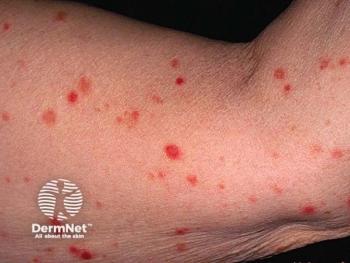
Patients who are needle-averse may soon have effective non-injectable options with biologic-like results.

Steven Daveluy, MD, discusses how this approval helps close a critical gap in care for adolescents living with HS.
Explore the top headlines of the week, including insights on the latest clinical trials, therapeutic updates, and more.
This week, we feature top articles from our sister publications on regulatory updates, clinical trial insights, and more.
Every week, we cut through the noise to bring clinicians the trial results, approvals, and emerging therapies that are actually moving the needle.

Patricia M. Delgado, DNP, AGPCNP, DCNP, PMHNP, and Mohammad Jafferany, MD, discuss how integrating mental health and dermatologic care can improve outcomes for patients with chronic skin conditions.
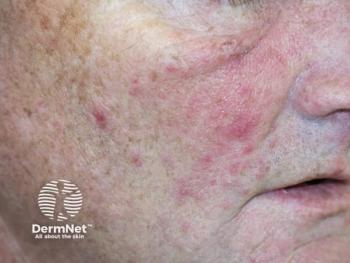
Hoth Therapeutics has received regulatory approval in Hungary to expand the phase 2 trial into Europe, with Spain and Poland approvals anticipated.
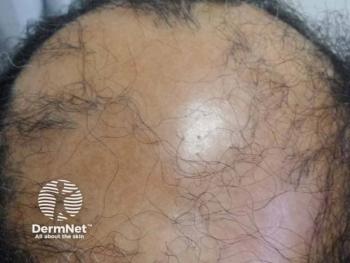
LPP affects roughly 100,000 adults in the US and currently has no FDA-approved treatments.

The ongoing phase 2b BROADEN2 study will evaluate KT-621 across 3 dose levels in 200 patients over 16 weeks, with results expected to guide phase 3 dose selection.
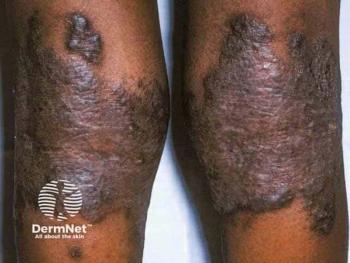
The combination therapy SHORE trial produced the highest response rates of the 3 studies, with EASI-75 approaching 48% in the Q4W arm.
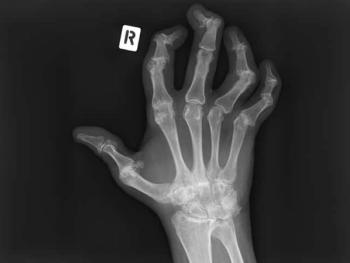
The trial’s results may support earlier use of dual IL-17A/F inhibitors in patients with both skin and joint disease.