Put your dermatology expertise to the test with Dermatology Times’ interactive quiz series.
While individual fatty acids in tallow have known biological effects, their combined impact in whole tallow remains uncertain.
Beef tallow has recently surged in popularity as a skin care ingredient, driven largely by online conversations and marketing centered around its “natural” and “biocompatible” profile.1 According to authors behind a recent study, “Tallow, a solid fat derived from animals, is increasingly being used in skin care products due to its high content of triglycerides, essential fatty acids, and fat-soluble vitamins which benefit the skin barrier.” The study provides one of the first structured analyses of how beef tallow is promoted on major social media platforms, and evaluates whether these claims align with current scientific evidence.2
The authors conducted a cross-sectional assessment of 200 social media posts—50 each from YouTube videos, YouTube shorts, Instagram, and TikTok—obtained through standardized searches in late 2024. Posts were screened for eligibility, reviewed by independent evaluators, and assessed for content accuracy, strength of evidence, financial bias, and dermatologic claims. The goal, according to the authors, was to “characterize claims made, examine the quality of information provided, identify the presence of financial bias, and explore the alignment or lack thereof between these promotional assertions and evidence-based knowledge.”
The majority of posts across all platforms endorsed the use of tallow for skin care. Eighty-two percent of all included content recommended tallow, with Instagram (90%) and YouTube videos (84%) showing the strongest promotional tendencies. TikTok posts drew the highest engagement metrics, but Instagram posts demonstrated the highest prevalence of financial bias (92%).
Financial bias was a critical component of the study’s findings. Posts with financial ties, such as affiliate codes or brand partnerships, were significantly more likely to recommend tallow for skin care (82%, p < 0.0001). Dermatologists were the least likely group to promote tallow (7%) and also the least likely to exhibit financial bias (7%). In contrast, beauty brands and influencers demonstrated high rates of product promotion and sponsorship, raising concerns about the commercial incentives shaping online skin care advice.
Most posts failed to discuss risks (only 24% of YouTube videos mentioned any concerns), and only 16% of YouTube videos cited scientific sources. Across all platforms, the majority of speakers were non-medical individuals, bloggers, or brand representatives.
Support for the dermatologic use of beef tallow is currently limited and indirect. While tallow contains fatty acids such as palmitic, stearic, oleic, and linoleic acids, which individually have documented biological effects, little research has evaluated tallow as a whole formulation.
Some fatty acids have potential benefits. For example:
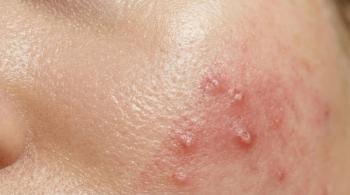
However, these same fatty acids may also worsen acne or irritate sensitive skin. Palmitic acid can promote inflammatory cytokines (IL-6, IL-8) in sebocytes, and oleic acid may increase transepidermal water loss or contribute to barrier dysfunction. Thus, the overall biological impact of tallow remains unclear and may vary by skin type, concentration, and formulation.
Evidence for treating eczema or psoriasis with tallow is similarly uncertain. Most supportive data derive from component fatty acids, not from controlled trials of tallow-based products.
The authors highlight several risks generally absent from social media discussion:
For clinicians, the findings underscore the need to address misinformation and patient questions with balanced, evidence-informed counseling. Clinicians can acknowledge theoretical fatty acid benefits while clarifying the lack of clinical trials, potential irritancy, and quality-control concerns. Open dialogue is critical, given that many patients increasingly rely on social media for skin care guidance.
This study reveals a substantial mismatch between online enthusiasm for beef tallow and the limited scientific evidence supporting its dermatologic use. While tallow contains fatty acids with recognized biological activity, its net clinical effect remains uncertain. Social media promotion is widespread and often financially biased, emphasizing the need for rigorous clinical research and stronger regulatory oversight.
References