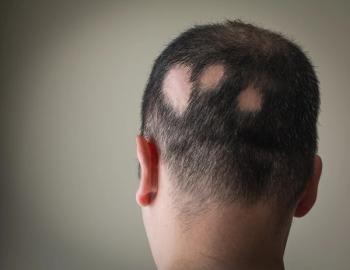
The FDA clearance allows Edesa to expand an ongoing placebo-controlled study of the CXCL10 antibody EB06 to US sites, with topline data expected in the fourth quarter of 2027.
Discover how anatomical variations impact the minimal erythema dose in 308-nm excimer laser therapy for vitiligo in Asian patients.
Used to treat vitiligo, the 308-nm excimer laser targets only the affected skin, minimizing exposure to surrounding areas. However, determining the optimal laser dose is complicated because patients respond differently, and the minimal erythema dose (MED)—the lowest ultraviolet energy that causes visible redness—varies between individuals.1 A recent study examined how MED differs across body regions and patient characteristics to develop practical, evidence-based dosing recommendations.2
Materials and Methods
The study reviewed 378 vitiligo lesions treated between January and December 2024. Inclusion criteria encompassed clinically confirmed vitiligo, complete treatment records, and absence of photosensitive disorders or other dermatologic conditions. The XTRAC excimer laser system (PhotoMedex) was employed, delivering a verified wavelength of 308 ± 2 nm with a 2 cm × 2 cm spot size. MED testing followed manufacturer protocols, conducted on untreated abdominal skin using a 6-point template, with incremental doses ranging from 100 to 350 mJ/cm². Erythema observed at 24 hours defined the MED. Statistical analyses utilized Kruskal–Wallis and Mann–Whitney U tests for intersite comparisons, with Spearman correlation evaluating the influence of skin type, age, and season.
Results
The study population included 170 men and 208 women, ranging in age from 1 to 70 years. Fitzpatrick skin phototypes were predominantly Type 3 (54%) and Type 4 (34%). Anatomical distribution included face (n=202), neck (n=34), scalp (n=16), trunk (n=57), limbs (n=30), and hands/feet (n=39). MED values ranged broadly from 350 to 6000 mJ/cm², with a mean of 854.23 ± 555.54 mJ/cm². The most frequent initial MED was 600 mJ/cm².
Researchers stated significant intersite variability was observed. Hands and feet exhibited the highest MED values, while the face had the lowest. The authors reported, “MED values increased in the following order: face (baseline) < trunk (1.02×) < neck (1.06×) < scalp (1.38×) < limbs (1.42×) < hands/feet (3.02×),” with acral regions demonstrating the greatest variability (800–6000 mJ/cm²). Facial subregions also differed significantly; periorbital areas required the lowest MED, while the forehead and chin required comparatively higher doses.
Spearman correlation revealed that MED was moderately associated with Fitzpatrick skin type (r=0.41, P<0.001) and weakly correlated with age (r=0.18, P=0.01) and season (r=0.13, P=0.01). Factors such as sex, lesion size, and family history did not significantly influence MED.
Discussion
The study underscores the importance of site-specific dosing in excimer laser therapy. Current clinical practice often relies on generalized dosing based on skin type or clinician experience, yet this study highlights the limitations of such an approach. As the authors noted, “Even with MED testing, negative results frequently necessitate incremental dose adjustments, limiting the utility of MED as a reliable guide.” The data support region-specific starting doses: lower doses for facial and neck lesions, moderate doses for trunk and limbs, and higher doses for hands and feet, particularly in adult populations. Pediatric patients generally required lower initial doses due to thinner stratum corneum and increased skin sensitivity.
Seasonal variations were also observed, with MED values tending to decrease during warmer months. The study additionally emphasizes the utility of proportional dosing, stating, “Using the overall facial MED as a reference, the corresponding dose coefficients for the trunk, neck, scalp, limbs, and hands/feet are 1.02×, 1.06×, 1.38×, 1.42×, and 3.02×, respectively.” Such ratios can guide treatment for multisite lesions or when direct MED testing is impractical, facilitating more efficient attainment of therapeutic doses while maintaining safety.
Conclusion
This study provides clinically relevant, evidence-based guidance for 308-nm excimer laser therapy in Asian patients with vitiligo. It demonstrates significant MED variability across anatomical regions and highlights associations with skin type, age, and season. Clinicians are encouraged to incorporate these findings into individualized dosing strategies to optimize efficacy, reduce treatment duration, and minimize phototoxic risk. The authors recommend that further large-scale, multicenter studies are needed to validate these findings and refine site-specific phototherapy guidelines for diverse patient populations.
References