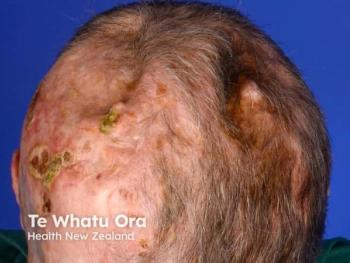
The FDA approval, based on 36-week data from the phase 3 BRAVE-AA-PEDS trial, extends baricitinib access to patients as young as 12 years old with severe alopecia areata.
Kymera Therapeutics reveals promising phase 1b results for KT-621, an oral STAT6 degrader, showing significant effects in moderate to severe atopic dermatitis.
Kymera Therapeutics has shared early results from BroADen, a phase 1b, open-label study evaluating KT-621, an oral small-molecule therapy designed to degrade STAT6 in patients with atopic dermatitis (AD).1 STAT6 is a key protein that drives inflammation through IL-4 and IL-13 pathways, which are central to type 2 inflammatory diseases. Targeting STAT6 directly represents a new approach in treating AD and related allergic conditions.2
“These phase 1 results for KT-621 are encouraging for the development of a unique oral therapy for atopic dermatitis that may have biologic like efficacy. The biomarker evidence for compensatory effect on IL-31 suggests that favorable itch control can be achieved," said Christopher Bunick, MD, PhD, associate professor of dermatology at Yale School of Medicine in New Haven, Connecticut, and Dermatology Times Editor in Chief. "Overall, this is a positive sign that protein degradation technology can spark new innovative approaches in dermatology patient care.”
The BroADen study primarily aimed to assess the safety, tolerability, and biological activity of KT-621 over 28 days of once-daily dosing. Twenty-two adults with moderate to severe AD were enrolled in 2 sequential dose groups: 10 participants received 100 mg and 12 received 200 mg. Participants had a mean baseline EASI score of about 25, indicating moderate to severe disease. Nearly half of the participants also had comorbid conditions such as asthma or allergic rhinitis, and approximately 23% had previously received biologic treatments like dupilumab or tralokinumab. Following the 28-day treatment period, patients were observed for an additional 14 days to monitor safety. Although exploratory, the study included assessments of clinical outcomes alongside biomarker and gene expression analyses to evaluate pharmacodynamic effects.
KT-621 demonstrated consistent plasma pharmacokinetics across both dose groups, in line with prior studies in healthy volunteers. The therapy achieved substantial STAT6 reduction in both blood and skin. Median STAT6 degradation in peripheral blood reached 98% by day 29 for both doses, while median degradation in lesional skin was 94%, despite baseline STAT6 levels in lesions being approximately twice that of healthy skin. Several participants achieved STAT6 levels below the lower limit of quantification, indicating near-complete removal of the target protein. These results provide the first clinical demonstration that a small-molecule degrader can effectively reduce STAT6 in both circulating immune cells and affected skin tissue in AD patients.
KT-621 also influenced multiple biomarkers associated with type 2 inflammation. Circulating cytokines related to type 2 pathways decreased, and early signals suggested modulation of IL-31 and fractional exhaled nitric oxide (FeNO), effects rarely observed with oral therapies but commonly seen with IL-4/IL-13 blockade. Analysis of lesional skin further showed downregulation of gene signatures linked to type 2 inflammation. While quantitative data were not reported, investigators described these biomarker changes as consistent with systemic effects seen with biologic therapies targeting IL-4 and IL-13.
Although not powered for formal efficacy assessment, improvements were noted across both objective and patient-reported measures. These included skin-related outcomes as well as exploratory assessments in participants with comorbid asthma or allergic rhinitis. Some week 4 clinical results were described as comparable to published early data for dupilumab, though confirmation in controlled trials is required.
KT-621 was well tolerated at both dose levels over the 28-day treatment period, with no unexpected safety issues or dose-limiting toxicities reported. The observed safety profile was consistent with prior healthy volunteer studies, though detailed adverse event data have not yet been released.
Pharmacologic degradation of STAT6 represents a distinct approach compared with biologics that block IL-4 or IL-13 receptors. If confirmed in larger controlled trials, KT-621 could provide a convenient oral option for patients with AD while potentially addressing multiple type 2 inflammatory conditions. Kymera is advancing KT-621 into the BROADEN2 phase 2b trial in AD and plans to initiate a phase 2b study in asthma in the near future.degradation could offer:
Kymera is advancing KT-621 into BROADEN2, a phase 2b trial in AD, and plans to initiate a phase 2b asthma study (BREADTH) in the near term.
The BroADen phase 1b findings provide early evidence that an oral STAT6 degrader can achieve substantial in-vivo target removal, downstream biomarker modulation, and signals of clinical activity over 4 weeks in moderate to severe AD. While these results are promising, they require validation in larger, randomized, placebo-controlled trials to determine the therapeutic potential, durability of effect, and comparative efficacy versus existing biologic and oral treatments.
References