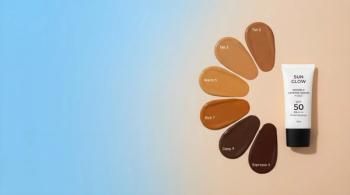
Though convenient, SPF-infused cosmetics rarely deliver their labeled protection level in real-world use, underscoring the continued need for a dedicated broad-spectrum sunscreen as the foundation of any routine.
Obagi Medical's ALOHA Program launches Obagi saypha MagIQ, pioneering real-world evaluation of a new hyaluronic acid filler.
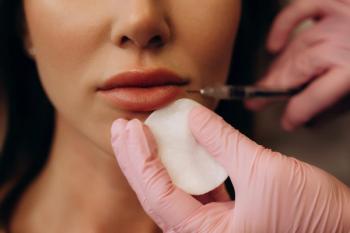
The introduction of new injectable technologies into aesthetic practice has traditionally followed a familiar pathway: controlled clinical trials, regulatory approval, and then gradual uptake informed by early adopters and educational programs. Although this model ensures safety and efficacy, it can leave gaps between trial conditions and the realities of everyday clinical practice.1 With this in mind, Obagi Medical has announced the launch of the ALOHA (Aesthetics Leadership with Obagi Hyaluronic Acid) Program, a structured clinical collaboration designed to capture real-world insights alongside the rollout of its first FDA-approved injectable hyaluronic acid (HA) filler, Obagi saypha MagIQ.
For clinicians experienced with dermal fillers, the concept of real-world evidence is increasingly familiar and increasingly valued. Practice environments vary widely in patient demographics, injector techniques, and treatment goals, all of which can influence outcomes such as handling characteristics, patient satisfaction, and workflow efficiency. The ALOHA Program aims to formally integrate these variables into postlaunch evaluation by inviting participating practices to use saypha MagIQ as part of routine care while providing standardized feedback through surveys completed by injectors and practice owners.
Obagi saypha MagIQ enters a crowded HA filler category, where differentiation often rests on nuanced performance characteristics rather than dramatic shifts in clinical indication. According to the company, the product is designed with a high usable HA content at the time of injection, consistent gel distribution, and a predictable injection force and swelling profile. For experienced injectors, these attributes may translate into more controlled delivery, potentially smoother tissue integration, and greater predictability during and after treatment. Although such claims are initially supported by regulatory data, the ALOHA Program is intended to explore how these features perform across a broad range of real-world scenarios.
From a clinical perspective, the emphasis on predictable injection force and swelling profile is notable. Variability in extrusion force can affect precision, particularly in anatomically delicate areas, whereas postinjection swelling influences patient downtime and satisfaction. By systematically collecting feedback from diverse practices, the program seeks to identify patterns that may not emerge in tightly controlled trials. Importantly, this approach does not replace pivotal studies but complements them, providing context that may be more directly applicable to day-to-day decision-making.
The scale of the initiative is also significant. Obagi anticipates that ALOHA will become the largest real-world evaluation of a newly launched HA injectable. If realized, such a data set could offer valuable insights into injector experience, patient responses, and practice integration over time. For clinicians, this may ultimately translate into more relevant educational content and peer-informed guidance rather than reliance solely on manufacturer-led training or limited postmarketing reports.
Another aspect of interest is the program’s integration of injectable and skin care strategies. Obagi Medical has a long history in physician-dispensed skin care, with its roots in research on skin biology and conditions such as hyperpigmentation and photodamage. The ALOHA Program explicitly positions saypha MagIQ alongside Obagi skin care regimens, reflecting a holistic view of aesthetic treatment that many practices already employ. Although injectables and topical therapies address different aspects of facial aging and skin health, coordinated use may influence overall patient satisfaction and perceived outcomes—an area that real-world feedback is well suited to explore.
It is worth noting that, as with any manufacturer-sponsored program, interpretation of outcomes should remain balanced. Structured surveys and large participation can mitigate some biases, but independent assessment and peer-reviewed publication will ultimately determine the broader clinical impact of the findings. Nonetheless, the formalization of real-world data collection at launch represents a meaningful step toward bridging the gap between clinical trials and everyday practice.
References