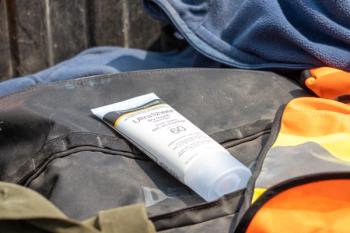
Two new Neutrogena facial sunscreens incorporate bemotrizinol, the first new sunscreen active ingredient added to the US OTC monograph in decades.
This review of the latest dermatologic studies includes insights on a novel ultrasound technique for midface rejuvenation, sirolimus for reducing cSCC risk, dermatologists' role in social media dysmorphia, and more.
This systematic review and meta-analysis evaluated whether switching kidney transplant recipients (KTRs) with prior cutaneous squamous cell carcinoma (cSCC) from calcineurin inhibitors (CNIs) to the mTOR inhibitor sirolimus reduces subsequent cSCC risk. Four randomized controlled trials, including 393 high-risk KTRs were analyzed. Compared with continued CNI therapy, conversion to sirolimus halved the 2-year incidence of new cSCCs (incidence rate ratio 0.51, 95% CI 0.39–0.67), providing high-certainty evidence for secondary prevention. Extended follow-up data suggested this protective effect may persist long-term. However, sirolimus was associated with substantially higher treatment discontinuation due to adverse events (risk ratio 8.60), including pneumonitis, edema, diarrhea, dyslipidemia, proteinuria, and acneiform eruptions. Importantly, no significant differences were observed in mortality or allograft rejection.1
A new proof-of-concept study proposes a novel three-layer, ultrasound-guided technique for midface rejuvenation that addresses the full spectrum of facial aging. Recognizing that aging affects deep fat, superficial fat, and dermal layers, the authors combine anatomical expertise, high-frequency ultrasound guidance, and plane-specific hyaluronic acid fillers to enhance safety and aesthetic outcomes. Firm, high–G′ fillers are placed supraperiosteally to restore structural support and malar projection; elastic fillers are injected into superficial fat to preserve natural mobility; and non–cross-linked hyaluronic acid is delivered subdermally to improve skin quality. Fifteen patients aged 42 to 65 years were treated and followed for up to 8 months. All demonstrated immediate and sustained improvements in cheek volume, lift, and skin texture, with no reported adverse events. Ultrasound confirmed accurate filler placement and homogeneous tissue integration. Compared with single-plane approaches, this method restores volume, preserves expression, and enhances skin quality, particularly benefiting hollow or mature faces.2
A narrative review examined access to targeted systemic therapies for moderate to severe atopic dermatitis (AD) in Australia, where AD affects up to 30% of children and 15% of adults. Although international guidelines now recommend biologics and Janus kinase inhibitors for patients inadequately controlled on topical therapy, Australian patients have subsidised access to only a limited number of these agents. The authors compare Australia’s health technology assessment and reimbursement processes with those of the UK, Canada, New Zealand, and France, highlighting marked international disparities in drug availability. Restricted access in Australia contributes to undertreatment, poorer disease control, and substantial healthcare and productivity costs. The review argues that conventional systemic therapies have unfavourable risk–benefit profiles and that modern targeted agents offer superior efficacy and tolerability.3
This clinical commentary explores “social media dysmorphia,” a digitally driven form of body-image disturbance fueled by filters, image editing, and constant online comparison. Image-based platforms promote unrealistic standards of flawless skin and facial symmetry, disproportionately affecting adolescents and young adults. Excessive social media use is associated with higher dysmorphic concern scores and increased pursuit of cosmetic procedures, yet outcomes are often poor; many patients with body dysmorphic disorder remain dissatisfied or worsen after intervention. The authors emphasize that dermatologists are frequently the first clinicians to encounter these patients and must balance aesthetic care with ethical responsibility. Screening for dysmorphic symptoms, setting realistic expectations, and referring to mental health professionals are essential to prevent harm. The review also highlights the profession’s responsibility to model authenticity online by avoiding filtered imagery.4
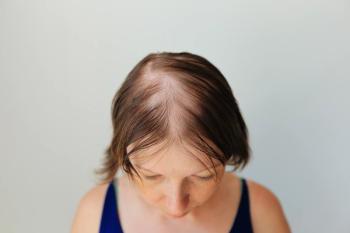
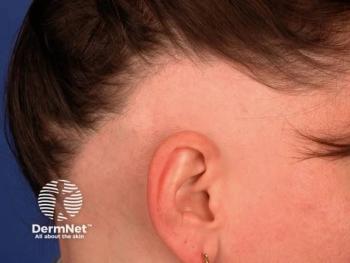
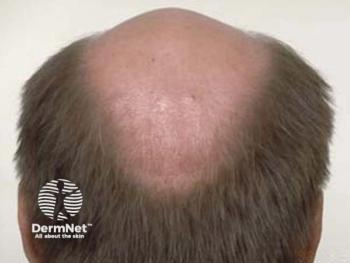
This systematic review and meta-synthesis integrates qualitative evidence on how individuals with alopecia experience identity and appearance changes. Drawing on 22 studies involving 990 participants, the authors identify 5 core themes: coming to terms with a changed identity, the non-linear journey to acceptance, the complexities of concealing hair loss, the dual role of social influences, and unmet needs within health care. Hair loss profoundly disrupts self-concept, often described as traumatic and intertwined with gender, culture, and social belonging. Adjustment varies widely, shaped by personal coping styles and social reactions. Concealment strategies such as wigs may restore confidence but also create emotional conflict and practical burdens. Many patients report feeling dismissed by clinicians and inadequately supported psychologically. The authors call for personalized, non-pharmacological interventions and greater integration of psychological support into dermatologic care to better address identity-related distress.5
References
1. Foerster Y, Palaras J, Mayer K, Biedermann T, Persa OD. Sirolimus for Secondary Prevention of Cutaneous Squamous Cell Carcinoma in Kidney Transplant Recipients: A Systematic Review and Meta-Analysis of Randomized Controlled Trials. Int J Dermatol. Published online January 17, 2026. doi:10.1111/ijd.70285
2. Molinari P, Urso SU, Faso C, Iacovone I, Mosti G. Mastering Midface Rejuvenation: A Proposal for a New Three-Layer, Ultrasound-Guided Technique. J Cosmet Dermatol. 2026;25(1):e70664. doi:10.1111/jocd.70664
3. Rubel D, Foley P, Gibson KA, Townsend A, Reppen GL, Gallardo WR. Targeted Systemic Therapies for Atopic Dermatitis in Australia: A Narrative Review. Australas J Dermatol. Published online January 18, 2026. doi:10.1111/ajd.70045
4. Frasier K, Werpachowski N, Hash MG, Madan R. Chasing Digital Perfection in a Filtered World: The Role of Dermatologists in Addressing Social Media Dysmorphia. J Cosmet Dermatol. 2026;25(1):e70672. doi:10.1111/jocd.70672
5. Hurrell Z, Vasiliou VS, Sirois FM, Thompson AR. A systematic review and meta-synthesis of qualitative studies of alopecia: Managing identity and appearance changes. Br J Health Psychol. 2026;31(1):e70048. doi:10.1111/bjhp.70048