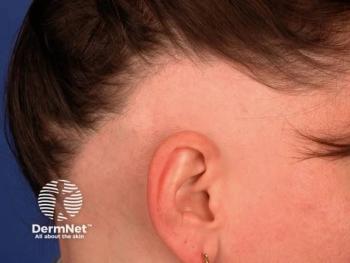
The FDA approval, based on 36-week data from the phase 3 BRAVE-AA-PEDS trial, extends baricitinib access to patients as young as 12 years old with severe alopecia areata.
Discover how a proprietary extract from saw palmetto promotes hair growth and reduces thinning in adults, offering a safe alternative to traditional treatments.
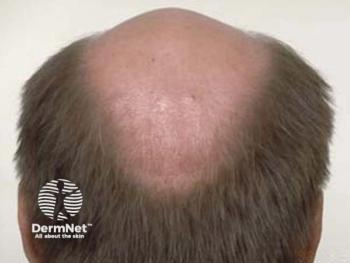
Hair loss is a common concern affecting both men and women worldwide and can have profound psychological and social consequences. While androgenetic alopecia and alopecia areata are the most common causes, hair thinning of any etiology can significantly impact self-esteem and quality of life. Epidemiologic studies suggest that male pattern hair loss affects approximately 80% of men by age 80, and female pattern hair loss affects 40% of women by age 50.1 Despite the prevalence, treatment options remain limited. Topical minoxidil is widely available, but it may not be effective or tolerated by all patients, and oral finasteride, while effective in men, carries teratogenic risks and potential adverse effects such as decreased libido, depression, and sexual dysfunction.2 As a result, there is growing interest in alternative therapies that are both safe and effective.
Serenoa repens, commonly known as saw palmetto, is a botanical extract with a long history of use in the management of benign prostatic hyperplasia. Its active components include fatty acids and β-sitosterol, which act as nonselective inhibitors of 5-alpha-reductase, the enzyme responsible for converting testosterone to dihydrotestosterone (DHT), a key mediator in androgenetic hair loss. By blocking DHT formation, Serenoa repens may help maintain follicle health and promote hair regrowth. Prior studies have demonstrated the efficacy of topical Serenoa repens extracts in male androgenetic alopecia, and preliminary research has suggested potential benefits for female patients as well.3 Building on these findings, a proprietary formulation of concentrated bioactive fatty acids from Serenoa repens, marketed as serevelle, was developed for oral administration to support hair growth and overall hair health.4
A recent study evaluated the safety and efficacy of oral serevelle in adults with self-perceived thinning hair. This 6-month, randomized, double-blind, placebo-controlled trial included 60 participants, evenly divided between men and women aged 25 to 65 years. Participants were required to have measurable hair thinning patterns based on Norwood (for men) and Savin (for women) scales and were excluded if they had received prior hair treatments, were using hormonal therapies, had systemic conditions affecting hair, or had scalp conditions that could interfere with assessments. Subjects were randomized in a 2:1 ratio to receive either 1 soft-gel capsule of serevelle containing 160 mg of bioactive fatty acids daily or an identical placebo.
Assessments included primary endpoints of terminal, vellus, and total hair counts in anterior and posterior scalp regions, as well as secondary endpoints such as terminal-to-vellus ratio, follicular unit density, hair width, interfollicular distance, hair shedding (pull test), investigator global assessments, and patient-reported outcomes related to hair quality and quality of life. Digital imaging and trichoscopy were used to ensure precise and reproducible hair measurements.
The 90-day interim analysis revealed significant improvements in the serevelle group. Anterior terminal hair counts increased by 11.3 hairs (p < 0.001), posterior terminal hair counts by 12.1 hairs (p < 0.001), and total hair counts increased by 28.8 hairs, representing a 12.8-fold greater improvement than placebo (p < 0.004). Anterior vellus hair counts also increased significantly (+4.4, p < 0.004), suggesting early follicular activation and reduced miniaturization. Subgroup analysis of nonchildbearing-age women demonstrated a 43.2% increase in anterior vellus hairs and an 11.2% increase in total anterior hair counts (p < 0.005), accompanied by decreased shedding and increased follicular unit density.
Secondary endpoints supported the primary findings, with significant increases in hair width, follicular unit density, and overall scalp coverage in the serevelle group. Investigator ratings showed that 80% of subjects had improved hair quality, while 60% showed enhanced hair growth at day 90. Patient-reported outcomes reflected improvements in overall hair volume and hair quality, contributing to a positive perception of treatment effectiveness. Importantly, no adverse events were reported in the active treatment group, reinforcing the favorable safety profile of Serenoa repens. As the study author, Glynis Ablon, MD, FAAD, noted, “the difference in the mean between-group change in baseline measures at day 90 was significantly greater among subjects in the active treatment group,” and “Serenoa repens appears to have an excellent safety record.”
In conclusion, the 90-day interim results suggest that oral serevelle, a proprietary bioactive fatty acid extract from Serenoa repens, can safely and effectively increase hair density, improve hair thickness, and reduce shedding in both men and women with self-perceived thinning hair. These findings provide evidence for serevelle as a promising botanical-based alternative to conventional therapies such as minoxidil and finasteride, offering clinicians an additional option for patients seeking well-tolerated hair loss treatments. Ongoing follow-up in the full 6-month trial will help determine the durability and long-term efficacy of these results.
References