


Barzolvolimab is a humanized monoclonal antibody that inhibits the KIT receptor, aiming to reduce mast cell survival and activity in chronic spontaneous urticaria.
Maddi Hebebrand is an associate editor of Dermatology Times and joined the MJH Life Sciences team in May 2024. She attended Baldwin Wallace University, studying Media Production and Film, and received her Masters in Digital Media from Ohio University. When she's not writing, Maddi loves to read, attend concerts and spend time with her family.
Barzolvolimab is a humanized monoclonal antibody that inhibits the KIT receptor, aiming to reduce mast cell survival and activity in chronic spontaneous urticaria.

More than 57% of patients with ACD reported moderate to severe quality-of-life impairment, with symptoms and embarrassment among the most affected areas.
In an interview with Dermatology Times, Michael O’Donoghue, MD, describes how a standardized protocol supports efficient and consistent delivery of photodynamic therapy.

Transcriptomic analysis revealed that chronic hand eczema shares overlapping immune signatures with both atopic dermatitis and psoriasis.
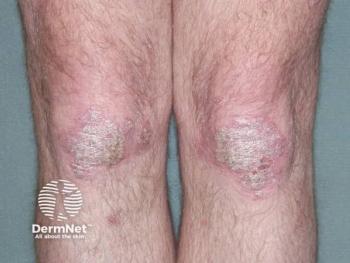
In a 52-week phase 3 study, CT-P43 demonstrated sustained efficacy comparable to reference ustekinumab in adults with moderate to severe plaque psoriasis.

Explore the top headlines of the week, including insights on the latest clinical trials, therapeutic updates, and more.

This week, we feature top articles from our sister publications on regulatory updates, clinical trial insights, and more.
In a conversation with Dermatology Times, Del Rosso highlighted the growing range of systemic and procedural therapies available to clinicians.
Michael O’Donoghue, MD, outlines how delegating PDT workflows to trained medical assistants can preserve physician time while maintaining treatment quality.

A post hoc analysis found that abrocitinib provided faster itch relief than dupilumab in adults with itch-dominant atopic dermatitis.

In pivotal studies, significantly more patients achieved clear or almost clear skin after 4 weeks of twice-daily difamilast compared with vehicle.

Catch up on coverage from the 24th annual South Beach Symposium.

In the phase 3b TOGETHER-PsO trial, ixekizumab plus tirzepatide led to significantly higher rates of complete skin clearance and ≥10% weight loss.
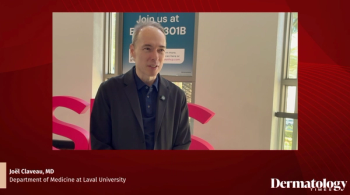
At the 2026 South Beach Symposium, Joel Claveau, MD, emphasized that accurate early diagnosis and proper staging are the cornerstones of effective melanoma management.

Investigators reported consistent clinical improvement following twice-weekly excimer laser treatments.
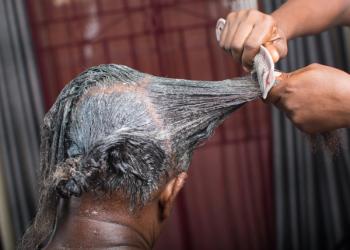
NIH Sister Study ties hair straightener use to higher pancreatic and thyroid cancer risk, but experts say methods limit certainty.

Ayman Grada, MD, highlighted the gap between dermatology’s expertise in skin biology and its limited involvement in chronic wound care delivery.

Targeting IL-4 and IL-13 signaling with dupilumab has demonstrated significant reductions in total and food-specific IgE in pediatric AD populations.
Explore the top headlines of the week, including insights on the latest clinical trials, therapeutic updates, and more.
This week, we feature top articles from our sister publications on regulatory updates, clinical trial insights, and more.
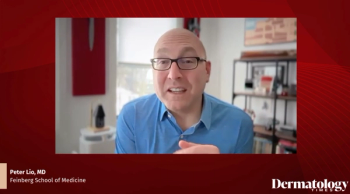
Highlighting conditions like lichen planus, which has no FDA-approved treatments, Lio underscores why clinicians must be comfortable prescribing beyond the label.

Investigators identified overlap between the blood immune profiles of patients with depression and inflammatory skin diseases, highlighting the Th2 axis as a potential treatment target.
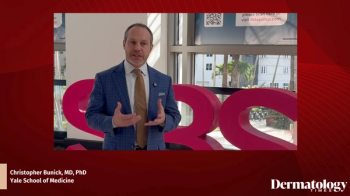
The 2026 meeting emphasized integrating cutting-edge medical therapies with aesthetic strategies to address both disease control and quality of life.
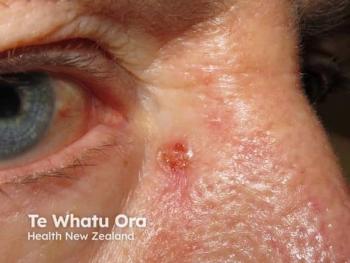
The FDA has accepted Biofrontera’s supplemental new drug application seeking approval of Ameluz photodynamic therapy for superficial basal cell carcinoma (sBCC), with a decision expected by September 28, 2026.

Advances in stem cells, exosomes, biomaterials, and RNA technologies are expanding therapeutic options beyond traditional wound-based remodeling.

Cheri Frey, MD, shares skin of color anti-aging strategies—pigment-first planning, safer lasers/peels, and techniques to prevent PIH.
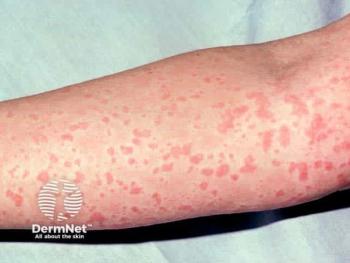
Septerna to share phase 1 SEP-631 results at AAAAI, targeting MRGPRX2 to curb mast cell flares and broaden options for refractory CSU.
Review identifies clinical and lab predictors of early antihistamines CSU and omalizumab CSU response, guiding personalized treatment.
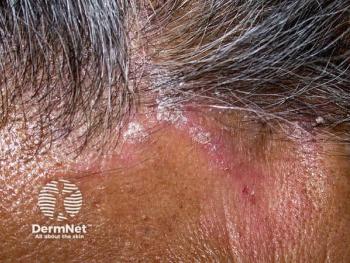
Takeda’s recent announcement of positive top-line phase 3 results for zasocitinib (TAK-279) places this investigational agent squarely within that evolving conversation.
Bispecific and trispecific biologics are being developed to achieve deeper clearance and more meaningful symptom relief.