By week 36, combination therapy altered 482 proteins and 467 genes vs 140 and 16 with ixekizumab alone in exploratory TOGETHER-PsO data.
In the phase 3b TOGETHER-PsO trial, ixekizumab plus tirzepatide led to significantly higher rates of complete skin clearance and ≥10% weight loss.
In a population where metabolic disease and chronic inflammation frequently intersect, new phase 3b data suggest that treating both conditions simultaneously may meaningfully improve outcomes for patients with moderate to severe plaque psoriasis.1
Eli Lilly and Company has announced positive topline results from the 52-week TOGETHER-PsO trial (
Approximately 61% of patients with psoriasis in the United States also have obesity or overweight with at least one weight-related comorbidity. Yet, pivotal psoriasis biologic trials have historically enrolled populations with lower mean body mass index (BMI). TOGETHER-PsO deliberately studied a group with a particularly high burden of disease: the mean BMI across both treatment arms exceeded 39 kg/m²—roughly 9 to 10 kg/m² higher than in many prior phase 3 psoriasis trials.
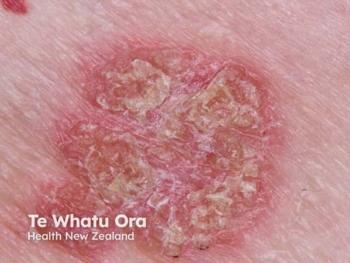
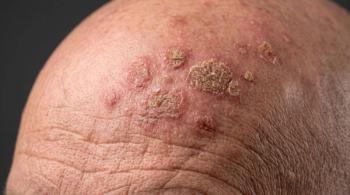
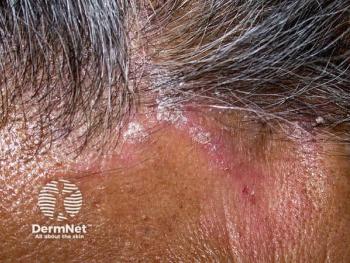
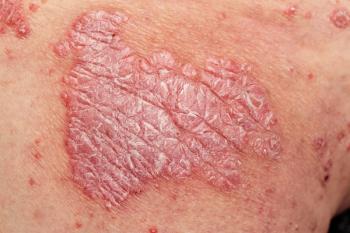
The dermatologic burden was similarly substantial. Participants had an average of about 25% body surface area involvement, and 97% had psoriasis affecting high-impact areas such as the face, scalp, or genitals—sites associated with disproportionate effects on quality of life, itch, and skin pain.
Elevated BMI has consistently been associated with lower odds of achieving optimal skin clearance across psoriasis studies. Against this backdrop, the TOGETHER-PsO results warrant close attention.
The primary endpoint required participants to achieve both complete skin clearance (PASI 100) and at least 10% weight loss at week 36. In the combination arm, 27.1% of patients met this dual target compared with 5.8% in the ixekizumab monotherapy arm (p<0.001).
From a dermatology standpoint, the PASI 100 data are particularly notable. In a key secondary endpoint, 40.6% of patients receiving ixekizumab plus tirzepatide achieved PASI 100 versus 29.0% with ixekizumab alone (p<0.05), representing a 40% relative increase over monotherapy.
These findings suggest that weight reduction with a dual incretin agonist may enhance skin outcomes beyond those expected from IL-17A inhibition alone. While the open-label design limits mechanistic conclusions, the data reinforce the clinical observation that obesity can attenuate biologic response—and that modifying this variable may improve therapeutic yield.
Ixekizumab is a monoclonal antibody targeting interleukin-17A, a central cytokine in the psoriatic inflammatory cascade. Tirzepatide is the only FDA-approved dual glucose-dependent insulinotropic polypeptide (GIP) and glucagon-like peptide-1 (GLP-1) receptor agonist for chronic weight management, acting through incretin pathways to promote weight loss and metabolic improvement.
Psoriasis and obesity share overlapping inflammatory mediators, including adipokines and cytokines that may amplify systemic inflammation. By addressing both IL-17–driven cutaneous inflammation and excess adiposity, the combination strategy aims to reduce disease burden on 2 fronts. The magnitude of PASI 100 responses in a high-BMI population adds weight to this integrated approach.
"Psoriasis and obesity share underlying inflammatory pathways, yet they are too often treated in silos despite psoriasis treatment guidelines calling for obesity management," said Mark Lebwohl, MD, dean for clinical therapeutics, and professor and chairman emeritus of the department of dermatology at the Icahn School of Medicine at Mount Sinai, and TOGETHER-PsO principal investigator. "This study involved patients with particularly high BMI and difficult-to-treat psoriasis, making the PASI 100 results with ixekizumab plus tirzepatide especially remarkable. The findings show that treating psoriasis and obesity or overweight at the same time significantly improved outcomes, reinforcing psoriasis as an obesity-related condition and supporting a potential comprehensive approach to care."
Adverse events in the combination arm were generally mild to moderate and consistent with the known safety profiles of each therapy. The most common events (≥5%) with concomitant treatment included nausea, diarrhea, constipation, injection site reactions, dosing error, vomiting, and dizziness. In the ixekizumab monotherapy arm, injection site reactions, dosing error, and nasopharyngitis were most frequently reported.
No new safety signals were identified in the topline analysis. As with other GLP-1–based therapies, gastrointestinal events were more common in the tirzepatide-containing arm.
TOGETHER-PsO was randomized, multicenter, and assessor-blinded but open-label, enrolling 274 participants assigned 1:1 to ixekizumab alone or in combination with tirzepatide. All participants received counseling on reduced-calorie diet and increased physical activity, reflecting contemporary obesity management standards.
For clinicians, the trial raises important considerations. Should obesity be addressed concurrently at the initiation of biologic therapy in patients with moderate to severe psoriasis? Might higher PASI 100 rates in patients with elevated BMI be achievable through systematic weight intervention rather than switching biologics?
Longer-term data from the full 52-week study, along with peer-reviewed publication, will help clarify durability and broader safety outcomes. For now, the 36-week results provide prospective evidence that simultaneous targeting of psoriasis and obesity can improve both dermatologic and metabolic endpoints in a challenging, high-BMI population.
As dermatology continues to move toward personalized, comorbidity-aware care, TOGETHER-PsO may represent a step toward more integrated treatment paradigms—particularly for the substantial proportion of patients living at the intersection of chronic inflammatory skin disease and metabolic dysfunction.
References