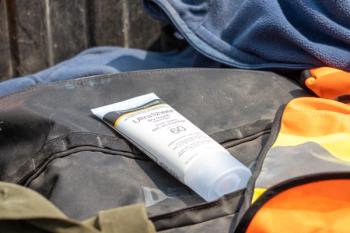
Two new Neutrogena facial sunscreens incorporate bemotrizinol, the first new sunscreen active ingredient added to the US OTC monograph in decades.
Explore the top headlines of the week, including insights on the latest clinical trials, therapeutic updates, and more.
To stay up to date with the latest dermatology news, sign up to receive our
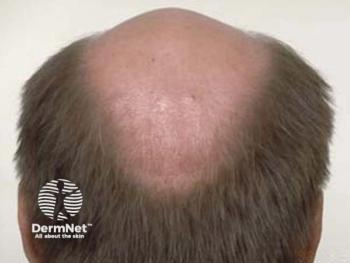
Cosmo Pharmaceuticals reported promising topline results from 2 large phase 3 trials evaluating clascoterone 5% topical solution for male androgenetic alopecia (AGA), potentially representing the first new treatment mechanism for the condition in over 30 years. The trials, SCALP 1 and SCALP 2, enrolled 1,465 men and assessed Target Area Hair Count and patient-reported outcomes, showing statistically significant hair growth improvements versus vehicle, with alignment between objective measures and patient perception. Clascoterone works via local androgen receptor inhibition at the follicle, minimizing systemic exposure and avoiding the hormonal side effects of oral treatments. Safety was favorable, with treatment-emergent adverse events similar to vehicle. If approved, the therapy could expand options for men seeking a mechanistically distinct, topical solution for AGA, with regulatory submissions planned following completion of 12-month safety follow-up in Spring 2026.
A recent call to action from the American Contact Dermatitis Society emphasizes that comprehensive patch testing (PT) remains the gold standard for diagnosing allergic contact dermatitis (ACD), a leading cause of dermatologic morbidity in the United States, and is essential for accurate allergen identification and effective management. With tens of thousands of chemicals in use and evolving personal and occupational exposures, patient history alone is often insufficient. The society highlights that limited allergen panels may miss a substantial proportion of clinically relevant sensitivities—for example, the 35-allergen Thin-Layer Rapid Use Epicutaneous Test may fail to detect many allergens identified by the 80-allergen North American Contact Dermatitis Group screening series—potentially leading to misdiagnosis, ongoing exposure, and unnecessary treatment. Beyond individual care, comprehensive PT also supports public health surveillance by identifying emerging allergens. The authors conclude that ensuring broad, equitable access to expanded allergen panels is critical to optimizing outcomes and maintaining high standards of care for patients with suspected ACD.
The multinational RWEAL study analyzed nearly 2000 adults with moderate to severe chronic hand eczema (CHE) across 6 countries, revealing a predominantly long-standing disease burden with high clinical heterogeneity and frequent multisite involvement. Most physicians relied on subjective clinical judgment rather than standardized severity scoring tools, and etiologies were diverse—most commonly irritant contact dermatitis, followed by atopic and allergic subtypes, with mixed causes seen in a notable minority. Many cases were occupationally related, and comorbid atopic conditions were common, although a substantial proportion had no other dermatologic diagnoses, underscoring CHE as a distinct entity. Overall, the findings highlight significant unmet needs, variability in real-world management, and the importance of more standardized, multidisciplinary approaches to care.
A multicenter retrospective cohort study of 500 patients in Saudi Arabia found that combination therapy for vitiligo produced faster and more sustained improvements than monotherapy over 12 months, based on approximately 5000 visit-level Vitiligo Area Scoring Index assessments. While all treatments—including topical corticosteroids, topical calcineurin inhibitors, narrowband UVB (NB-UVB), excimer laser, and Janus kinase (JAK) inhibitors—significantly reduced VASI scores, the greatest benefits were seen with combination regimens, particularly those incorporating NB-UVB and/or JAK inhibitors, with some achieving over 90% VASI reduction at 12 months. Linear mixed-effects modeling showed that the therapeutic advantage of combination therapy increased over time, despite high interpatient variability. Outcomes also differed by vitiligo subtype and age, underscoring the importance of individualized treatment strategies, although the retrospective design and potential confounding limit definitive conclusions.
The