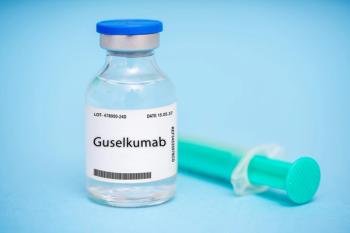
Week 28 data from the phase 2a EVERLAST-A trial showed PASI 100 responses increased to 71.4% despite no additional ORKA-001 dosing after week 4.
Investigators reported consistent clinical improvement following twice-weekly excimer laser treatments.
A February 2026 systematic review and meta-analysis published in the Journal of Drugs in Dermatology offers updated evidence supporting the clinical efficacy of the 308 nm excimer laser for plaque psoriasis. Conducted by investigators from Georgetown University School of Medicine and the MedStar Washington Hospital Center, the analysis synthesizes available clinical trial data evaluating excimer laser treatment protocols in adults with plaque psoriasis.1
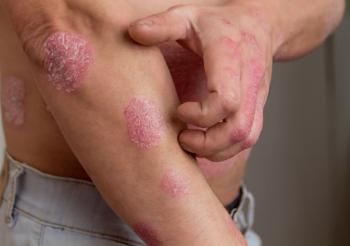
Plaque psoriasis remains a chronic, immune-mediated inflammatory disorder characterized by sharply demarcated erythematous plaques with overlying scale. While systemic biologics and oral small molecules have transformed care for moderate to severe disease, localized and recalcitrant plaques continue to present therapeutic challenges. Targeted phototherapy, particularly with the 308 nm excimer laser, has been used for years in clinical practice, but systematic aggregation of outcome data has been relatively limited.
“This meta-analysis reinforces what dermatologists have observed clinically — that properly calibrated, MED-guided Excimer Laser therapy provides effective, targeted treatment for plaque psoriasis,” said Dolev Rafaeli, PhD, Strata Skin Sciences Chief Executive Officer. “Enabling the delivery of high-fluence 308nm UVB precisely to affected plaques while sparing surrounding healthy skin represents a meaningful therapeutic advantage.”2
The meta-analysis, titled “Excimer Laser for Plaque Psoriasis: A Systematic Review and Meta-analysis” by Gratz et al., evaluated clinical trials in which patients received twice-weekly 308 nm excimer laser treatments for a minimum of 10 sessions. Outcomes were measured using the Psoriasis Area and Severity Index (PASI), a validated composite score incorporating lesion erythema, thickness, scaling, and body surface area involvement.
Across the included studies, PASI reductions were both clinically meaningful and statistically significant. In the trial by Tang et al. (n=32), mean PASI scores improved from 11.47 at baseline to 5.08, representing an approximate 56% reduction. He et al. (n=40) reported a decrease from 14.73 to 2.42, or roughly 84%. In the largest study analyzed, Gerber et al. (n=100), PASI scores declined from 13.70 to 2.10—an 85% reduction. Dong et al. (n=20) observed improvement from 12.02 to 4.09, corresponding to a 66% reduction.
Notably, these outcomes were typically achieved within 10 to 14 treatment sessions administered over approximately 5 to 7 weeks. For clinicians accustomed to the slower trajectory of conventional phototherapy, this compressed timeline is of interest. The laser’s lesion-directed approach allows higher fluence delivery directly to plaques while sparing adjacent uninvolved skin, potentially enabling more rapid plaque clearance.
A central feature highlighted in the analysis is minimal erythema dose (MED)-guided dosing. MED testing determines the lowest ultraviolet B (UVB) dose that produces visible erythema at 24 hours in a specific patient. By calibrating therapy to a patient’s MED, clinicians can individualize fluence and escalate dosing within tolerable limits. Across the reviewed studies, per-session fluences typically ranged from approximately 200 to 600 mJ/cm² (about 1–3× MED), with some protocols reaching cumulative fluences up to 1,200 mJ/cm² in selected cases.
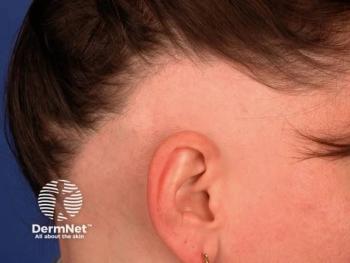
These doses exceed common starting levels in broadband or narrowband UVB phototherapy, reflecting the targeted nature of excimer laser delivery. Prior work by Al-Mutairi and Al-Haddad demonstrated that MED values can vary substantially by anatomic site. In scalp psoriasis, mean MED was approximately 383 mJ/cm², while palmoplantar psoriasis averaged around 415 mJ/cm², with upper ranges approaching 650–950 mJ/cm². Such variability underscores the importance of individualized dosing strategies and supports the rationale for devices capable of delivering higher, precisely controlled fluences.
From a practical standpoint, lesion-directed phototherapy may be particularly useful for patients with limited body surface area involvement, difficult-to-treat sites, or residual plaques despite systemic therapy. The excimer laser’s focused beam permits treatment of scalp, elbows, knees, palms, and soles without unnecessary UV exposure to unaffected skin. This selectivity may help reduce cumulative phototoxic burden compared with full-body phototherapy, although long-term safety data remain an area for ongoing study.
The publication also reflects sustained academic interest in refining UVB-based strategies within mainstream dermatology. As systemic therapies continue to evolve, there remains a role for procedural interventions that offer localized control, rapid response, and compatibility with combination regimens.
While the meta-analysis confirms consistent PASI improvements across multiple small-to-moderate-sized trials, clinicians should note that heterogeneity in study design, sample size, and follow-up duration persists. Larger, longer-term randomized studies could further clarify durability of response, optimal maintenance schedules, and comparative effectiveness versus other phototherapeutic modalities.
For clinicians managing plaque psoriasis, the findings provide consolidated evidence supporting what many have observed in practice: when guided by MED testing and delivered with appropriate fluence, 308 nm excimer laser therapy can achieve substantial short-term reductions in disease severity within a relatively brief treatment window. As with all psoriasis therapies, patient selection, expectations, and integration into a broader management plan remain central to achieving optimal outcomes.
References