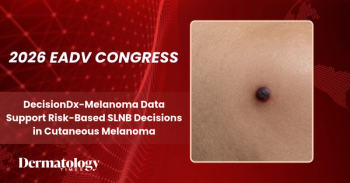
Prospective data suggest DecisionDx-Melanoma may help refine SLNB decisions and identify recurrence risk beyond conventional staging.
The 2026 meeting emphasized integrating cutting-edge medical therapies with aesthetic strategies to address both disease control and quality of life.
At the
A major focus of this year’s symposium was innovation in inflammatory skin disease. Sessions highlighted advances in atopic dermatitis, psoriasis, and alopecia areata, with attention to emerging systemic and topical therapies that continue to refine disease control and safety profiles. Rather than concentrating solely on mechanisms of action, the curriculum emphasized practical clinical decision-making—how to select among expanding therapeutic options and how to counsel patients navigating long-term treatment.
Pruritus, described by Bunick as one of the most debilitating symptoms in dermatology, was another key topic. Faculty reviewed evolving insights into the neuroimmune pathways that drive itch and discussed newer targeted treatments that move beyond traditional antihistamines and corticosteroids. As chronic itch becomes more precisely defined across disease states, clinicians are increasingly able to tailor therapy based on underlying pathophysiology rather than symptom suppression alone.
Dermatologic oncology also featured prominently. Innovations in both topical and systemic therapies are reshaping management strategies for nonmelanoma skin cancers and melanoma. Of particular interest was discussion of mRNA vaccine technology in melanoma, an area that may soon influence how clinicians counsel patients following diagnosis and surgical intervention. Even for clinicians who do not routinely perform cutaneous surgery, familiarity with these developments is becoming essential as therapeutic pathways grow more multidisciplinary.
Importantly, SBS 2026 did not separate medical and aesthetic dermatology into silos. Bunick emphasized that patients frequently seek guidance on post-inflammatory hyperpigmentation, acne and hidradenitis suppurativa scarring, and other sequelae that persist after disease control. Understanding available aesthetic technologies—even if not offered in one’s own practice—enables more comprehensive counseling and appropriate referral.
The meeting also expanded its educational scope. In addition to core SBS programming and pediatric dermatology content, the newly introduced RISE program provided residents with focused instruction, including hands-on cadaver-based procedural anatomy. This addition reflects a broader commitment to cultivating the next generation of dermatologists in an environment that values collegiality, rigor, and enthusiasm.
As dermatologic therapies become more targeted and patient expectations evolve, the integration of medical innovation with aesthetic insight may define the next phase of specialty practice. The 25th Annual South Beach Symposium, scheduled for 2027, aims to continue advancing that unified approach—supporting clinicians in helping patients both feel better and look their best.