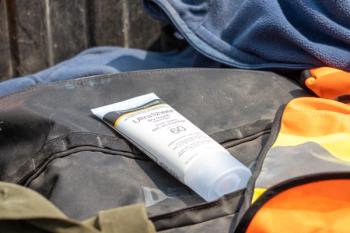
Two new Neutrogena facial sunscreens incorporate bemotrizinol, the first new sunscreen active ingredient added to the US OTC monograph in decades.
Explore the top headlines of the week, including insights on the latest clinical trials, therapeutic updates, and more.
To stay up to date with the latest dermatology news, sign up to receive our
Cosmo Pharmaceuticals reported promising topline results from 2 large phase 3 trials evaluating clascoterone 5% topical solution for male androgenetic alopecia (AGA), potentially representing the first new treatment mechanism for the condition in over 30 years. The trials, SCALP 1 and SCALP 2, enrolled 1,465 men and assessed Target Area Hair Count and patient-reported outcomes, showing statistically significant hair growth improvements versus vehicle, with alignment between objective measures and patient perception. Clascoterone works via local androgen receptor inhibition at the follicle, minimizing systemic exposure and avoiding the hormonal side effects of oral treatments. Safety was favorable, with treatment-emergent adverse events similar to vehicle. If approved, the therapy could expand options for men seeking a mechanistically distinct, topical solution for AGA, with regulatory submissions planned following completion of 12-month safety follow-up in Spring 2026.
Recludix Pharma has begun clinical dosing in a first-in-human phase 1 trial of REX-8756 (SAR448755), an oral small-molecule STAT6 inhibitor being developed for type 2 inflammatory diseases, following FDA IND clearance in December 2025 and triggering a $20 million milestone payment from partner Sanofi. In preclinical studies, REX-8756 showed rapid and durable suppression of STAT6 signaling—key to IL-4 and IL-13–driven inflammation—without inducing protein degradation, suggesting biologic-like efficacy in an oral format. The randomized, placebo-controlled phase 1 study will enroll about 100 healthy volunteers to assess safety, tolerability, and pharmacokinetics, marking a major step forward in the Recludix–Sanofi collaboration, which includes up to $1.2 billion in potential future milestones.
The multinational RWEAL study analyzed nearly 2000 adults with moderate to severe chronic hand eczema (CHE) across 6 countries, revealing a predominantly long-standing disease burden with high clinical heterogeneity and frequent multisite involvement. Most physicians relied on subjective clinical judgment rather than standardized severity scoring tools, and etiologies were diverse—most commonly irritant contact dermatitis, followed by atopic and allergic subtypes, with mixed causes seen in a notable minority. Many cases were occupationally related, and comorbid atopic conditions were common, although a substantial proportion had no other dermatologic diagnoses, underscoring CHE as a distinct entity. Overall, the findings highlight significant unmet needs, variability in real-world management, and the importance of more standardized, multidisciplinary approaches to care.
A recent call to action from the American Contact Dermatitis Society emphasizes that comprehensive patch testing (PT) remains the gold standard for diagnosing allergic contact dermatitis (ACD), a leading cause of dermatologic morbidity in the United States, and is essential for accurate allergen identification and effective management. With tens of thousands of chemicals in use and evolving personal and occupational exposures, patient history alone is often insufficient. The society highlights that limited allergen panels may miss a substantial proportion of clinically relevant sensitivities—for example, the 35-allergen Thin-Layer Rapid Use Epicutaneous Test may fail to detect many allergens identified by the 80-allergen North American Contact Dermatitis Group screening series—potentially leading to misdiagnosis, ongoing exposure, and unnecessary treatment. Beyond individual care, comprehensive PT also supports public health surveillance by identifying emerging allergens. The authors conclude that ensuring broad, equitable access to expanded allergen panels is critical to optimizing outcomes and maintaining high standards of care for patients with suspected ACD.
The US FDA has approved modifications to the iPLEDGE Risk Evaluation and Mitigation Strategy for isotretinoin to reduce administrative burden while maintaining safeguards against embryo-fetal toxicity. Effective in 180 days, the updates will allow patients who can become pregnant to complete pregnancy testing at home during and after treatment (though pre-treatment testing must still occur in a medical setting), eliminate the prior 19-day lockout period for missed prescription pickups, and streamline counseling documentation requirements for patients who cannot become pregnant. Pharmacy workflows will also be adjusted, including removal of the 30-day prescription window for certain patients, while annual training requirements remain in place. The changes aim to preserve the program’s safety goals while minimizing treatment delays and workflow inefficiencies in clinical practice.