In a retrospective study of 393 patients, 51.9% had at least 1 abnormal LFT during follow-up, but only 1.1% had elevations above 3 times the upper limit of normal.
Explore the latest French guidelines for systemic psoriasis therapy, highlighting new treatments and tailored management strategies for diverse patient needs.
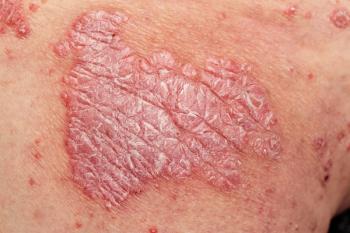
The last French national guidelines for the systemic treatment of psoriasis were published in 2019.1 Since that time, the therapeutic landscape for psoriasis and psoriatic arthritis (PsA) has expanded substantially, particularly with the introduction of novel biologic and targeted synthetic agents. In response to these advances, the Psoriasis Research Group (GrPso) of the French Society of Dermatology undertook a comprehensive update of the national guidelines to incorporate new evidence, emerging therapies, and evolving clinical practices. The resulting recommendations aim to guide clinicians in the management of moderate-to-severe psoriasis in adults, with or without PsA, while addressing specific disease phenotypes and comorbid conditions.2
According to the authors, the primary objective of the updated guidelines was to integrate new systemic treatments, specifically inhibitors of interleukin-23 p19 (IL-23p19) and tyrosine kinase 2 (TYK2), into a coherent treatment algorithm. The guidelines focus on adult patients with moderate to severe psoriasis who do not have symptomatic comorbidities, while also providing tailored guidance for patients with specific psoriasis subtypes, special populations, or coexisting medical conditions. Topical therapies and pediatric psoriasis were intentionally excluded from the scope.
The guideline development followed a standardized and transparent methodology. A multidisciplinary working group of 22 physicians, including dermatologists, rheumatologists, immunologists, and general practitioners, was assembled, with oversight from members of the GrPso.
For therapies already included in previous guidelines, the group employed the ADAPTE framework to assess and adapt existing international recommendations. A systematic literature review of MEDLINE (January 2017 to December 2023) was conducted to identify relevant guidelines, supplemented by the 2024 update of the European Alliance of Associations for Rheumatology (EULAR) recommendations. When gaps were identified, additional systematic reviews and meta-analyses were performed, extending the search to January 2025 when necessary.
The methodological quality of included guidelines and reviews was independently assessed using the AGREE II and AMSTAR tools. Only guidelines achieving an AGREE II score of at least 70 were considered, resulting in the inclusion of 18 high-quality guidelines. Recommendations were formulated using standardized GRADE-based wording, and expert opinion was incorporated where evidence certainty was low. A multidisciplinary external review panel, including clinicians and patients, evaluated each recommendation for consistency and applicability, with an 80% agreement threshold required for adoption.
The updated guidelines describe the characteristics of each systemic treatment, including dosing, efficacy, contraindications, and safety profiles. Short-term efficacy was assessed using PASI 75 and PASI 90 responses, while long-term effectiveness was evaluated using treatment persistence data from the French national health insurance database.
For patients with plaque psoriasis without symptomatic comorbidities, the working group noted that reimbursement policies in France still require prior failure or intolerance of non-targeted systemic therapies. However, based on comparative efficacy, benefit–risk balance, and the availability of biosimilars, the authors suggest that earlier access to psoriasis-specific therapies would be desirable. As a result, methotrexate, adalimumab, or ustekinumab are proposed as first-line systemic options, while ciclosporin may be reserved for short-term use when rapid disease control is required. In cases of very severe disease or high disease burden, IL-17 inhibitors, IL-23 inhibitors, or infliximab are suggested as potential first-line therapies.
The guidelines emphasize individualized long-term management. In cases of insufficient response, dose escalation or interval shortening may be considered, although the authors highlight limited safety data for off-label regimens. Conversely, in patients achieving sustained remission (PASI <2), dose reduction or treatment discontinuation may be discussed after at least 1 year of disease control, with shared decision-making and patient counseling regarding relapse risk.
Specific recommendations are provided for distinct psoriasis subtypes and comorbid conditions. For example, spesolimab is recommended for acute flares of generalized pustular psoriasis, while IL-17 or IL-23 inhibitors are favored for erythrodermic psoriasis. Comorbidity-focused guidance addresses cardiovascular disease, heart failure, renal or hepatic impairment, inflammatory bowel disease, malignancy, latent tuberculosis, HIV infection, and reproductive considerations. These recommendations are framed cautiously, often emphasizing multidisciplinary collaboration and individualized risk assessment.
The authors acknowledge several limitations, including unanswered questions regarding the optimal placement of deucravacitinib, screening for latent tuberculosis with newer biologics, and management strategies in rare or complex clinical scenarios. They note that further studies are required to address these gaps and state that another guideline update is anticipated by 2030.
Overall, this updated French guideline represents a comprehensive, methodologically rigorous synthesis of current evidence on systemic psoriasis therapies. By incorporating new drug classes and addressing a wide range of clinical scenarios, the recommendations aim to support evidence-based, patient-centered care while highlighting areas where further research is needed.
References