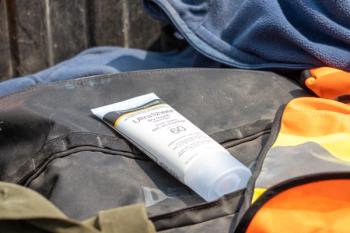
Two new Neutrogena facial sunscreens incorporate bemotrizinol, the first new sunscreen active ingredient added to the US OTC monograph in decades.
Explore the top headlines of the week, including insights on the latest clinical trials, therapeutic updates, and more.
To stay up to date with the latest dermatology news, sign up to receive our
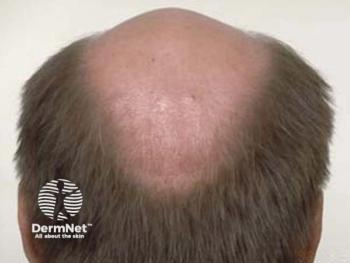
Cosmo Pharmaceuticals reported promising topline results from 2 large phase 3 trials evaluating clascoterone 5% topical solution for male androgenetic alopecia (AGA), potentially representing the first new treatment mechanism for the condition in over 30 years. The trials, SCALP 1 and SCALP 2, enrolled 1,465 men and assessed Target Area Hair Count and patient-reported outcomes, showing statistically significant hair growth improvements versus vehicle, with alignment between objective measures and patient perception. Clascoterone works via local androgen receptor inhibition at the follicle, minimizing systemic exposure and avoiding the hormonal side effects of oral treatments. Safety was favorable, with treatment-emergent adverse events similar to vehicle. If approved, the therapy could expand options for men seeking a mechanistically distinct, topical solution for AGA, with regulatory submissions planned following completion of 12-month safety follow-up in Spring 2026.
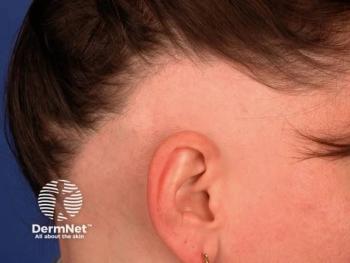
Alopecia areata affects about 2% of people and severe cases often respond poorly to traditional therapies, prompting interest in targeted oral JAK inhibitors—baricitinib, ritlecitinib, and deuruxolitinib—now approved for severe AA. Because no head-to-head trials exist, a recent systematic review and network meta-analysis of seven RCTs (over 3,000 adults) indirectly compared these agents. Across Bayesian NMA, ML-NMR, and MAIC methods, deuruxolitinib 8 mg BID consistently showed the highest likelihood of achieving meaningful regrowth at week 24 (SALT ≤10 and ≤20), outperforming baricitinib (especially 2 mg) and trending favorably versus ritlecitinib. SUCRA rankings also placed it first. While these findings help outline a provisional treatment hierarchy, they remain limited by indirect comparisons, short-term data, and class-wide safety warnings for oral JAKIs. Overall, deuruxolitinib appears the most effective short-term option among approved therapies, pending long-term and direct comparative studies.
Kymera Therapeutics has released encouraging phase 1b data from BroADen, an open-label study of KT-621, an oral STAT6-degrading therapy for atopic dermatitis (AD), showing robust target engagement (up to 98% STAT6 reduction in blood and 94% in lesional skin), broad type 2 biomarker modulation—including early IL-31 and FeNO effects—and early clinical improvements comparable to initial dupilumab data, all with good tolerability in 22 patients over 28 days. The findings, which dermatology experts say highlight the potential for biologic-like efficacy in an oral agent, support further evaluation in Kymera’s upcoming phase 2b trials in AD and asthma.
A recent study evaluating large language models (LLMs) for urticaria education compared ChatGPT-4o and DeepSeek-R1 in answering 12 clinically relevant questions in Chinese for both dermatologists and laypersons. DeepSeek-R1 outperformed ChatGPT across nearly all metrics, showing higher accuracy, guideline adherence, completeness, and clarity, especially for non-specialists, while ChatGPT made errors in classification, diagnosis, and treatment. DeepSeek’s stepwise “thinking-aloud” design supported structured clinical reasoning and easier comprehension, including detailed differentiation of urticaria subtypes, immune pathways, and treatment guidance. Limitations included single-language testing, a small question set, and no image-based evaluation. The findings suggest DeepSeek-R1 may be a promising tool for clinical decision support and patient education, though ongoing model updates and validation are essential.
Cory Rubin, MD, led a case-based discussion on optimizing systemic therapy for moderate to severe psoriasis, highlighting real-world decision-making across three illustrative cases: selecting bimekizumab for rapid, convenient control in a patient with limited follow-up availability; switching to risankizumab to address nail disease and psoriatic arthritis risk after waning ustekinumab response; and managing refractory scalp psoriasis by considering dose escalation, adjunctive topicals, or switching biologic classes. Throughout the roundtable, clinicians emphasized mechanistic understanding (IL-17A/F vs IL-23 pathways), structured escalation strategies, objective monitoring with PASI and other indices, and shared patient-centered decision-making, with Rubin noting that precision therapy selection is increasingly attainable as biologic options continue to expand.