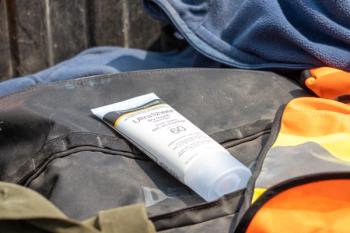
Two new Neutrogena facial sunscreens incorporate bemotrizinol, the first new sunscreen active ingredient added to the US OTC monograph in decades.
Galderma initiates a pivotal study on nemolizumab, targeting Chronic Pruritus of Unknown Origin, aiming to provide relief for this challenging condition.
This week, Galderma announced the first patient enrollment in its phase II study evaluating nemolizumab for the treatment of Chronic Pruritus of Unknown Origin (CPUO), a condition that remains both highly prevalent and poorly understood.1 The initial patient was enrolled at the site of dermatologist Vlada Groysman, MD, in Birmingham, Alabama—an early milestone as the trial begins recruitment across the United States.
CPUO is characterized by persistent itch lasting longer than 6 weeks without an identifiable dermatologic, systemic, or neurologic cause. Although often underdiagnosed, CPUO represents a substantial burden, particularly in older adults. Some studies suggest that nearly 30% of elderly individuals in certain populations experience chronic itch with no clear etiology. Despite the profound effect on sleep, mood, and quality of life, there are currently no approved therapies specifically indicated for CPUO.2
Nemolizumab is a monoclonal antibody directed against the IL-31 receptor alpha, thereby inhibiting IL-31 signaling. IL-31 has emerged as a central mediator of chronic itch, acting at the interface of neural and immune pathways. Evidence from related pruritic conditions, especially prurigo nodularis, has demonstrated IL-31’s role in perpetuating severe, often refractory itch.
The new randomized, double-blind, placebo-controlled phase II trial aims to assess the efficacy and safety of nemolizumab in adults with CPUO, with the goal of informing potential late-phase development. According to lead investigator Shawn Kwatra, MD:
“Nemolizumab has shown outstanding efficacy in prurigo nodularis – a condition that shares important clinical and mechanistic features with CPUO – through its targeted inhibition of IL-31 signaling.” He adds that as research continues to define IL-31 as a key contributor to itch in CPUO, “we’re hopeful that nemolizumab could offer meaningful relief to patients with this condition.”
A major scientific backdrop to the study is newly presented data from the Society for Investigative Dermatology (SID) 2025 meeting. Investigators reported significantly increased levels of IL-31-producing CD4+ T cells in CPUO patients, highlighting a cytokine-driven inflammatory axis that may underlie the disorder. These findings help clarify CPUO’s immunologic signature and strengthen the rationale for targeted biologic therapy.
For clinicians, this represents a pivotal shift. CPUO has long been considered a diagnosis of exclusion, and patients often cycle through symptomatic or empiric therapies, including antihistamines, neuromodulators, topical steroids, and phototherapy, with limited benefit. The identification of an actionable immune pathway creates the possibility of a more mechanistically driven treatment paradigm.
Although common, CPUO remains notoriously challenging to treat. The absence of approved therapies often leaves clinicians managing sleep disturbance, psychological distress, and secondary skin changes without an effective disease-modifying approach. IL-31 blockade therefore represents a potentially important advance.
Baldo Scassellati Sforzolini, MD, PhD, Galderma’s Global Head of R&D, emphasized the significance of the trial launch in a news release, stating:
“The first patient enrollment in this study marks an important milestone in our commitment to advancing dermatology for every skin story – especially in areas of high unmet need.” He noted that CPUO is “a deeply distressing condition for patients, and the absence of approved treatments has left many without options.”
Nemolizumab already has regulatory clearance in several conditions involving chronic itch. The monoclonal antibody received FDA approval in 2024 for prurigo nodularis and subsequently for moderate to severe atopic dermatitis in patients 12 years and older when used with standard topical therapies. Approvals have since expanded to multiple international regions, further establishing IL-31 inhibition as a validated therapeutic strategy.
As enrollment continues, clinicians will be watching closely for evidence of clinically meaningful itch reduction and safety signals in this historically refractory population. If successful, nemolizumab could become the first targeted therapy for CPUO—transforming management of a condition that significantly affects patient well-being yet has remained largely unaddressed in therapeutic development.
References