Prospective data suggest DecisionDx-Melanoma may help refine SLNB decisions and identify recurrence risk beyond conventional staging.
Kim explores the significance of inflammation in dermatology, revealing its connections to various diseases and the importance of focused research.
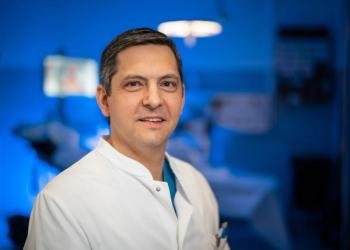
In a recent interview with Dermatology Times, Brian Kim, MD, MTR, FAAD, discussed the value of scientific focus in dermatologic research and how a concentrated lens on inflammation and itch can reveal broader systemic insights. Kim, who serves as a professor of dermatology and vice chair of research at the Kimberly and Eric J. Waldman Department of Dermatology at Mount Sinai in New York City, emphasized the paradoxical relationship between depth and breadth in research discovery.
“Breadth comes from focus sometimes,” Kim explained. He reflected on his team’s work studying the mechanisms of itch—a seemingly narrow subject that ultimately opened pathways to understanding a range of inflammatory diseases. “For instance, everyone thought itch was quite narrow, and it helped us to understand a plethora of diseases by understanding how the body senses inflammation.”
This perspective underscores the value of specialization in biomedical research, particularly in dermatology where the skin serves as both a local and systemic indicator of health. Kim noted that the challenge for many researchers lies in balancing curiosity-driven exploration with methodological focus. “Sometimes if you go too broad, what happens is you don’t get any depth and you don’t get anywhere,” he said, acknowledging that without depth, true breadth of understanding is also lost.
Kim’s commentary also highlighted inflammation as a unifying mechanism across numerous diseases, both dermatologic and systemic. “Inflammation is at the heart of everything now, not just skin diseases, but dementia, cancer, so many different conditions,” he remarked. This insight reinforces the growing recognition of inflammatory pathways as key therapeutic targets beyond the skin, suggesting that dermatologic research can play a pivotal role in advancing systemic medicine.
By focusing on inflammation, Kim concluded, researchers can achieve a deeper understanding of disease mechanisms that ultimately “resonate” across disciplines. His reflections suggest that the most meaningful scientific advancements often emerge not from breadth alone, but from a disciplined commitment to depth — an approach that continues to shape modern science.