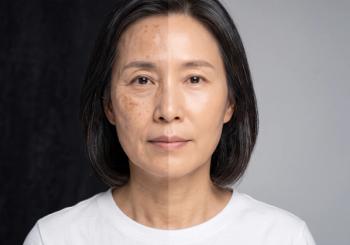
Face taping promises smoother skin and fewer wrinkles without injectables, but evidence suggests any visible benefits are largely temporary.
Experts discuss essential skin care strategies for sensitive skin, emphasizing evidence-based cleansing and moisturizing to restore the compromised skin barrier.
A recent Dermatology Times Between the Lines conversation between Zoe Diana Draelos, MD, a leading cosmetic dermatologist in solo private practice in High Point, North Carolina, and a consulting professor of dermatology at Duke University, and Cheri Frey, MD, assistant professor of dermatology at Howard University in Washington, DC, and chair of the dermatology section of the National Medical Association, highlighted the crucial role of foundational skin care for managing sensitive skin populations.
The discussion centered on moving beyond generic product recommendations to evidence-based cleansing and moisturizing strategies that actively support and repair the compromised epidermal barrier. Their insights can help guide clinicians seeking practical, scientific insights to improve outcomes in patients presenting with self-perceived and clinically diagnosed sensitive skin conditions.
The discussion began by establishing a clear definition of the skin barrier’s function and structure, emphasizing its primary role as a shield against the external environment. Frey offered a helpful analogy for patient communication, stating, “I like to describe the skin barrier as a ‘bricks and mortar’ mechanism. The bricks are the corneocytes, and the mortar is the lipid matrix.”
Sensitive skin is characterized by a breach in this “mortar,” leading to increased transepidermal water loss (TEWL) and heightened permeability to irritants. The duo stressed that this barrier dysfunction can arise from genetic factors, such as mutations in the FLG gene, or from external factors, such as harsh products and environmental stress.
They discussed key biochemical players , including:
Filaggrin: This protein is essential for epidermal differentiation and breaks down into the natural moisturizing factor (NMF). NMF is critical for retaining water within the stratum corneum.
Aquaporin-3 (AQP3): AQP3 is a water and glycerol channel responsible for regulating moisture flow within the epidermis.
TEWL: Although high TEWL signals barrier impairment, the panelists noted that a small, regulated amount of water loss is necessary to trigger the body’s innate repair mechanisms.
The speakers differentiated between clinically diagnosed sensitive skin (eg, atopic dermatitis, rosacea, acne), for which TEWL is typically measurable and elevated, and self-perceived sensitive skin, where patients report subjective symptoms like stinging, burning, and itching without visible inflammation. They agreed that clinical management strategy should address both the physical barrier breakdown and the resultant neurosensory discomfort.
The duo addressed the detrimental impact of traditional alkaline cleansers on sensitive skin. These products, often containing harsh anionic surfactants, can strip the skin’s natural lipids and cause significant protein denaturation in the stratum corneum, creating a vicious cycle of irritation and barrier damage.
Draelos emphasized the fundamental requirement for a modern, effective cleanser in this patient cohort: “The idea is that a good cleanser for sensitive skin must be effective at cleansing, but it must be superior in its preservation of the lipid barrier.”
The solution lies in advanced formulation science, specifically the use of polymeric surfactants or hydrophobically modified polymers. This technology utilizes larger molecules that physically associate with the surfactant tails, minimizing the number of free surfactant monomers available to penetrate the skin and disrupt the lipid matrix. This ensures effective cleansing of surface impurities without compromising the lipid layer.
Frey offered a simple, actionable patient teaching point to gauge cleanser appropriateness: “If your skin feels squeaky clean, if it feels tight and shiny, you’re using too harsh of a cleanser.” This physical sensation directly correlates with lipid stripping and protein disruption. The data presented on a polymeric surfactant cleanser, which demonstrated improved skin texture without negatively impacting TEWL, pH, or the microbiome, underscored the clinical utility of this technology.
The conversation transitioned to moisturizing, with the duo emphasizing that contemporary moisturizers for sensitive skin should function beyond simple occlusion and hydration. They should actively deliver components that are deficient in the compromised barrier to stimulate endogenous repair.
Draelos succinctly framed this therapeutic shift. “We’re actually looking for formulations that contain the key components of the skin barrier that are deficient in sensitive skin,” she said.
The discussion highlighted the importance of formulations containing the following:
Epidermal lipids: Ceramides, cholesterol, and fatty acids rebuild the intercellular mortar.
NMF replenishment: Humectants (glycerin, hyaluronic acid) and NMF mimics increase water content within the corneocytes.
Of particular clinical interest was a study on a lightweight, noncomedogenic moisturizing cream that not only offered immediate barrier support but also induced a measurable biologic response. The data showed the formulation upregulated the patient’s own production of critical proteins. Draelos reported the compelling results. “It was really quite impressive that the filaggrin was upregulated by 77% and the [AQP3] was upregulated by 60%,” she said. This demonstrated ability to restore both the NMF precursor (filaggrin) and the water transport mechanism (AQP3) represents a significant advancement in reactive moisturization. Furthermore, the panelists noted that this product’s benefits were sustained, with significant improvements in moisturization lasting for “3 days after they stopped using the product.”
The speakers concluded by offering practical advice for clinicians to incorporate into daily practice. They stressed the importance of simplifying a patient’s routine to ensure adherence and to avoid compounding irritation from too many products.
Frey shared some key advice for patient counseling. “I like to start everyone on a skin diet....I tell them simple is better. We need the cleanser, the moisturizer, and the sunscreen.” This straightforward approach combats the overwhelming nature of the skin care market and allows medical therapies to perform optimally. The session concluded by underscoring the necessity of integrating fundamental skin care into the medical consultation, recognizing that effective “skin care is medicine.”
11 months ago
Dermatology Times November 2025 Print Recap11 months ago
Exploring a Rapidly Evolving Therapeutic Landscape11 months ago
Skin Aging and Cellular Senescence12 months ago
ORKA-001 Advances Toward Yearly Dosing12 months ago
Treating the Pain of Atopic Dermatitis