SYX-5219 improved disease severity and itch in a Phase 1b trial of adults with moderate to severe atopic dermatitis.
Skin pain in atopic dermatitis significantly impacts quality of life, necessitating its recognition and treatment as a vital symptom for better patient outcomes.
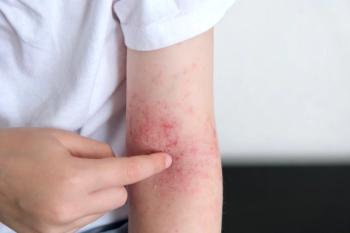
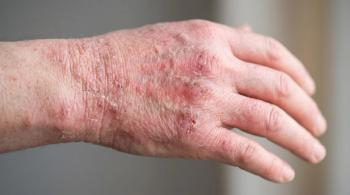
Itch dominates our conversations about atopic dermatitis (AD). Yet for many patients, the symptom that most disrupts life is skin pain: burning, stinging, soreness, tenderness, and pain on touch. If dermatology providers want to reduce patient suffering faster, we must treat skin pain as a vital sign of AD. Ask about it, record it, and act on it at every visit. The good news is that pain is measurable in seconds and responds to treatment of the disease biology that drives it.
Pain in AD is tightly linked to sleep loss, mood symptoms, and day-to-day function. Adults with more frequent or intense pain report significantly worse quality of life, and the burden compounds when itch is also high. Patients and families describe wardrobe changes to avoid contact pain, limits on exercise and intimacy, and the emotional drag of persistent discomfort. Even mild pain can affect self-consciousness and work or study performance. Clinical and survey studies enumerate the same quality-of-life domains that deteriorate with pain, including shopping and housework, clothing decisions, social and leisure activities, work or study, relationships, and sexual function, and the pattern shows a dose response: worse pain, worse life.1
Recent research results reveal a staggering prevalence of pain in AD that can no longer be considered an ancillary symptom. A large, US population–based study found that an incredible 61% of adults with AD report experiencing pain from their disease.1 Results of a separate prospective clinical study corroborate this, finding that 42.7% of patients reported skin pain within the past week. This is not a trivial discomfort. Among those with pain, 22% rate their worst pain as severe (a score of 7 or higher on an 11-point [0-10] scale), and nearly 14% of patients in a clinical cohort describe their pain as severe or very severe.1,2
Assessment is simple and should mirror treat-to-target goals. Ask 1 question: “Over the past 24 hours, how painful was your skin on a 0 to 10 scale?” Document baseline and trend, apply simple bands (0, none; 1 to 3, mild; 4 to 6, moderate; 7 to 10, severe), and use the same targets you plan to treat toward. A moderate target is a 3-point or greater reduction on the pain Numeric Rating Scale (NRS), and an optimal target is a pain NRS score of 1 or lower. Framing measurement this way aligns intake, counseling, and follow-up with the end points that matter to patients.3
AD skin pain arises from overlapping mechanisms. First, barrier disruption and inflammation create fissures, erosions, and inflamed plaques that are inherently tender, especially on hands and other high-use sites. Second, cytokines characteristic of AD lower the nociceptor thresholds in TRPV1- or TRPA1-positive fibers, which turns normal stimuli into burning or stinging sensations. Third, some patients develop central amplification that exaggerates incoming signals and blunts the usual inhibitory influence of pain on itch. This neuroimmune framing explains why pain can persist beyond the visible rash and why therapies that calm inflammation and reduce neuronal sensitization can restore comfort.4
Treat to target brings discipline to symptoms that patients feel daily. Recent international recommendations propose patient-selected targets that sit alongside physician-assessed signs. For skin pain, the suggested targets are specific and practical. A moderate target is a 3-point or greater reduction on the pain NRS. An optimal target is a pain NRS score of 1 or lower. Hitting the optimal target is one criterion for minimal disease activity. These targets provide a shared language for decisions regarding maintenance, optimization, or escalation at 3 to 6 months.3
Make skin pain an AD vital sign by asking the 0-to-10 question and charting baseline and trend. Act when the score is 4 or higher by optimizing anti-inflammatory therapy and addressing amplifiers such as impetiginization, painful fissures, irritant exposures, and high-friction sites. If pain seems out of proportion to visible disease, consider neuropathic features and sleep or mood comorbidities. Set explicit goals aligned with treat to target, for example, at least a 3-point reduction and, when feasible, optimal 0 to 1 targets, and show patients their number trending down at each visit.3
When pain is measured, a consistent pattern emerges. Effective disease control lowers skin pain early and steadily, alongside improvements in itch, sleep, and daily functioning. Programs that capture pain with dedicated and frequent patient-reported measures and prespecified responder thresholds provide clear expectations for onset and durability. For example, trials of the Janus kinase 1 inhibitor upadacitinib have reported rapid and sustained improvements in patient-reported skin pain within broader symptom gains.5 Cross-disease data are directionally consistent: Upadacitinib has also improved patient-reported pain in rheumatoid and psoriatic arthritis, supporting a neuroimmune mechanism.6-8 The broader takeaway is straightforward: Measure skin pain directly and weigh therapies by the strength of their patient-reported pain data, including how quickly pain improves, how many patients reach low pain, and how durable those gains are.
11 months ago
Dermatology Times November 2025 Print Recap11 months ago
Exploring a Rapidly Evolving Therapeutic Landscape11 months ago
Skin Aging and Cellular Senescence11 months ago
Clinicians Debate True Sensitive Skin Care12 months ago
ORKA-001 Advances Toward Yearly Dosing