




General Dermatology
Latest News
Advertisement
Latest Videos



Shorts
1:07
A Love Letter to Proactive Skin Health
7 months ago
by
Julie Karen, MD
0:51
A Love Letter to Dermatology Patients
7 months ago
by
Lisa Swanson, MD, FAAD(+1 more)
0:34
A Love Letter to Pediatric Dermatology
7 months ago
by
Lawrence Schachner, MD
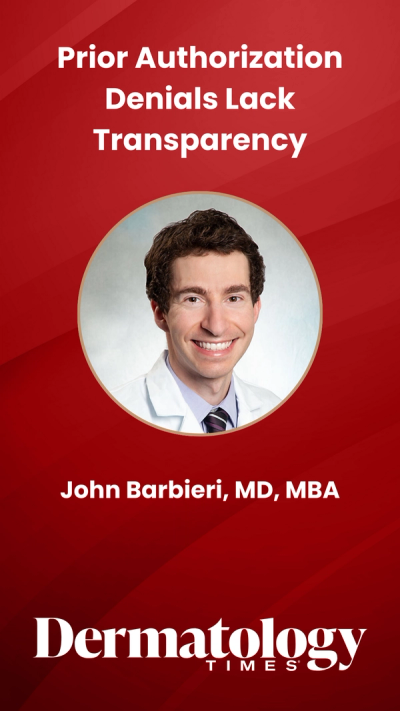
0:39
Prior Authorization Denials Lack Transparency
10 months ago
by
John Barbieri, MD, MBA, FAAD
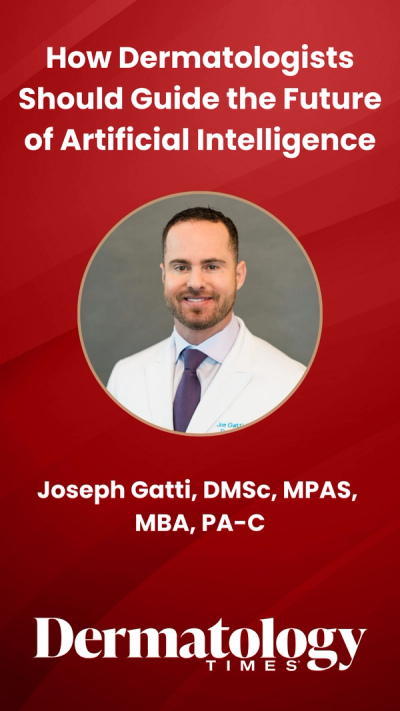
0:34
How Dermatologists Should Guide the Future of Artificial Intelligence
10 months ago
by
Joseph Gatti, DMSc, MPAS, MBA, PA-C
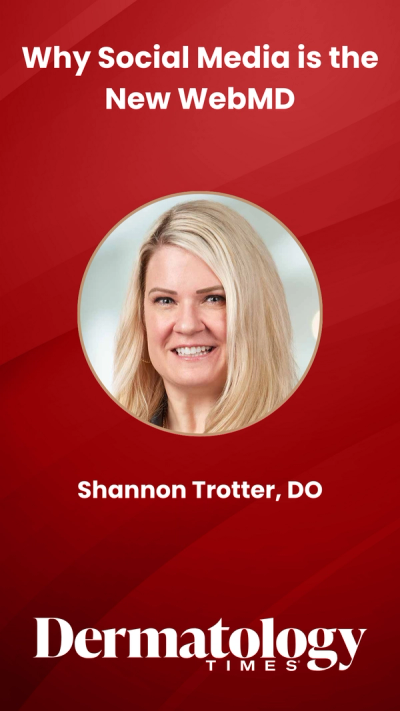
0:26
Why Social Media is the New WebMD
10 months ago
by
Shannon Trotter, DO
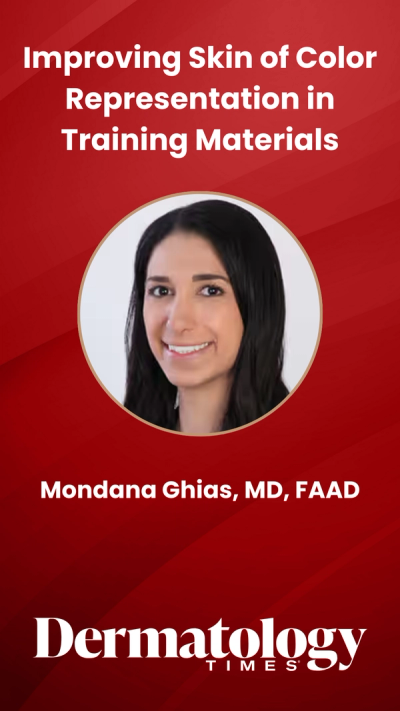
0:32
Improving Skin of Color Representation in Training Materials
10 months ago
by
Mondana Ghias, MD, FAAD
0:47
The Future of GLP-1 Usage in Dermatology
10 months ago
by
Joely Kaufman, MD
0:37
Why Complacency is Devastating in Dermatology
10 months ago
by
Rosalyn George, MD
0:13
Breast Cancer Care by Dermatologists: A Year-Round Commitment
a year ago
by
Christopher G. Bunick, MD, PhD


Advertisement
More News
Treatment discontinuations due to laboratory abnormalities were uncommon, occurring in 0.7% of patients at week 52 and remaining below 2% through week 140.

Translational Takeaways distills the most clinically relevant findings from emerging dermatology research into clear, practice-focused insights that inform real-world decision-making.

Can "slugging" with petroleum jelly improve skin, or is it just a myth? Read more about the latest social media trend and learn how to counsel your patients in the clinic.
Despite rapid market growth, many regenerative aesthetic products lack the rigorous nonclinical and clinical safety data that regulators typically require.
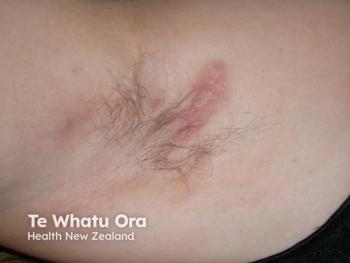
Researchers found that adult patients with suspected but unconfirmed HS were more likely to receive symptom-targeted treatment rather than comprehensive disease management.
Emma Guttman-Yassky, MD, PhD, discusses findings from an abrocitinib on-off JADE REGIMEN analysis and what they may mean for disease modification in atopic dermatitis.

Real clinical case scenarios with progressive diagnostic clues challenge dermatology clinicians to think on their feet, sharpen their diagnostic reasoning, and apply practice-changing takeaways at the point of care.
Investigators reported that individualized adalimumab dose adjustments based on serum drug levels could increase clinical response rates compared with standard dosing.
Translational Takeaways distills the most clinically relevant findings from emerging dermatology research into clear, practice-focused insights that inform real-world decision-making.

Can a Mediterranean diet clear skin, or is it just a myth? Read more about the latest social media trend and learn how to counsel your patients in the clinic.
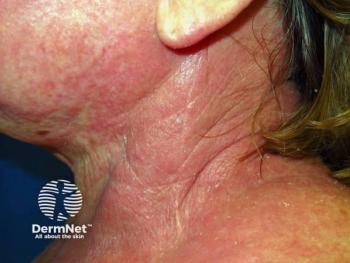
Data show that upadacitinib reduces systemic inflammatory burden in AD, including hs-CRP, a biomarker validated as an independent predictor of major cardiovascular events.

Learn how a specialized financial partner can enable independent practices to navigate market pressures while expanding access and boosting performance.
Recent research on orchid-derived skin care reveals antioxidant, anti-inflammatory, and wound-healing potential, but major gaps in clinical proof and safety reporting remain.

Turmeric and curcumin supplements used for hair loss are increasingly associated with rare but serious cases of liver injury.
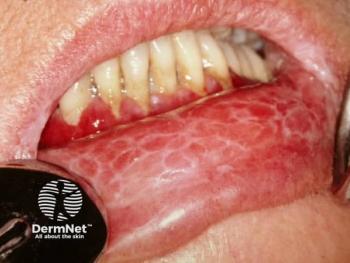
Cold atmospheric plasma eases stubborn oral lichen planus in long follow-up study, with a new scoring system tracking pain, function, and healing.
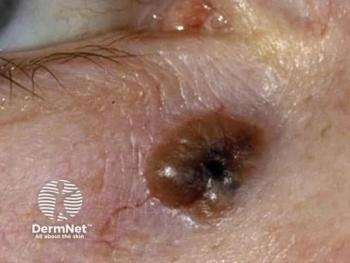
The high-dose D-MNA cohort showed continued improvement from Day 29 to Day 57, a trajectory not observed in the device-only control arm, supporting a drug-driven mechanism of action.
Real clinical case scenarios with progressive diagnostic clues challenge dermatology clinicians to think on their feet, sharpen their diagnostic reasoning, and apply practice-changing takeaways at the point of care.
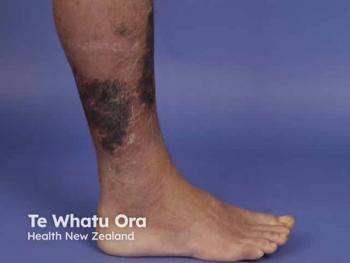
The case underscores that classic imaging hallmarks of necrotizing fasciitis are frequently absent in early-stage disease, making a high index of clinical suspicion essential for front-line providers.
Translational Takeaways distills the most clinically relevant findings from emerging dermatology research into clear, practice-focused insights that inform real-world decision-making.

Are at-home red light LED masks just a myth? Read more about the latest social media trend and discover how you should counsel your patients in the clinic.

An early look at the finalized print issue—featuring key data, clinical takeaways, and expert insights before it reaches your mailbox.
Dermatology Times is looking back on the top stories in dermatology from the month of April.

This month’s podcasts highlight the latest clinical insights, emerging therapies, and evolving conversations shaping dermatology practice.

At the 2026 AAD Annual Meeting, dermatologists shared their go-to strategies for managing stress, including laughter yoga, relationships, and mindset shifts
At the 2026 AAD Annual Meeting, dermatologists shared their go-to strategies for managing stress — from family time and fitness to emotional intelligence training and even Botox.
Advertisement
Advertisement
Trending on Dermatology Times
1
FDA Approves Baricitinib for Adolescents With Severe Alopecia Areata
2
Alopecia Areata Awareness Month: 2026 in Review
3
Tremfya Meets Primary, Major Secondary Endpoints in Phase 4 STAR Study of Axial PsA
4
Dermatology Times Spot Test: September 27, 2026
5