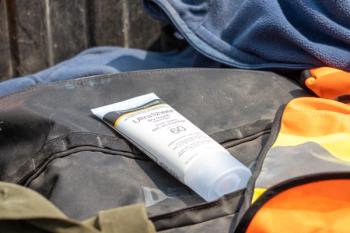
Two new Neutrogena facial sunscreens incorporate bemotrizinol, the first new sunscreen active ingredient added to the US OTC monograph in decades.
As we celebrate Valentine's Day, Mona Shahriari, MD, FAAD; Neal Bhatia, MD; Peter Lio, MD; Lisa Swanson, MD; Lawrence Schachner, MD; Julie Karen, MD; and Glynis Ablon, MD, FAAD, share why they love dermatology.
In honor of Valentine’s Day, Dermatology Times asked clinicians around the country to reflect on what they love most about the work they do in their specialty. Their responses reveal a shared appreciation for the intellectual stimulation, remarkable community, and meaningful patient impact that define modern dermatology.
For Mona Shahriari, MD, FAAD, the enduring appeal lies in our constant evolution. Dermatology, she notes, is never stagnant. With new medications, expanding indications, and innovative therapeutic strategies continually emerging, no 2 days feel the same. The ability to treat patients today in ways that were not possible even a few years ago keeps her energized and engaged.
Neal Bhatia, MD, emphasized both community and purpose as he values the camaraderie of colleagues at conferences and the sense of belonging within the dermatology “tribe.” His involvement in research and the therapeutic pipeline has been especially invigorating over his career. He believes the specialty is defined not only by innovation but also by the positive energy and shared purpose that come from being surrounded by engaged, forward-thinking peers.
When asked what he loves most, Peter Lio, MD, reflected on the moment a patient or family expresses that their life has truly changed. Hearing that a once-hopeless situation has turned around is what keeps him committed to medicine. Prestige and financial rewards, he observes, are fleeting; making a tangible difference in a patient’s life is what endures, even amid administrative burdens and the challenges of modern practice.
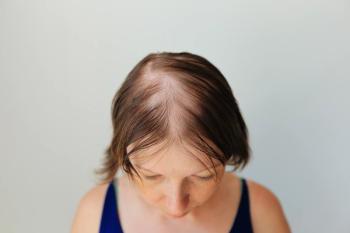
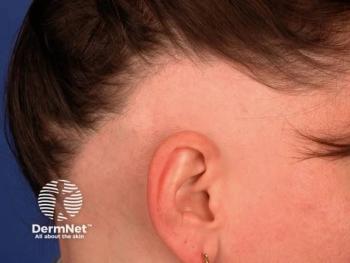
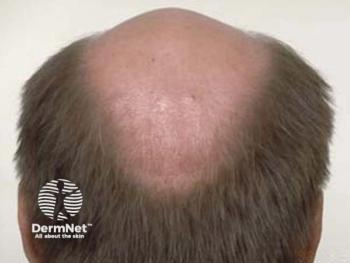
For Lisa Swanson, MD, the joy in dermatology is found in visible transformation. Whether it is a child with severe eczema finally sleeping through the night or a patient with alopecia areata regaining a full head of hair on an oral JAK inhibitor, witnessing dramatic clinical improvement—and the smiles that follow—remains deeply rewarding, particularly as a pediatric dermatologist.
Lawrence Schachner, MD, also reflected on the emotional dividends of pediatric dermatology. Relieving discomfort in children and easing the anxiety of families provides profound fulfillment. He keeps letters from former patients, spanning generations, and often looks back at them as reminders of the lasting impact of attentive care.
Julie Karen, MD, highlighted dermatology’s unique diversity. Dermatologists function as diagnosticians, surgeons, and aesthetic specialists, addressing conditions that are often visible and deeply personal. Because cutaneous disease directly affects how patients look and feel, they are highly motivated partners in care, making therapeutic success especially gratifying.
Glynis Ablon, MD, FAAD, celebrates the specialty’s variety; from medical dermatology and research to surgery and aesthetics. While dermatology holds a special place in her heart, she also finds balance through animal rescue and advocacy.
What do you love most about dermatology?