





General Dermatology
Latest News
Advertisement
Latest Videos


Shorts

0:47
Turning Personal Grief into a Life-Saving Initiative
19 days ago
by
James Caleb Runyon, NP-C
0:39
How to Stop Patients from Following Unsafe Skin Care Trends
4 months ago
by
Suneel Chilukuri, M.D.
0:32
Understanding the Future of Dermatologic Drugs
5 months ago
by
Christopher G. Bunick, MD, PhD
1:00
The Connection Between Mental Health and Skin Conditions
5 months ago
by
Maria-Angeliki Gkini, MD, MSc, PhD
0:45
Dermatology as the Fast-Moving Frontier of Medicine
5 months ago
by
Brian Kim, MD, MTR, FAAD
0:46
Why Does Skin Get Itchy As We Age?
5 months ago
by
Daniel C. Butler, MD
1:09
A Message to the Next Generation of Dermatology Clinicians
5 months ago
by
Henry W. Lim, MD

0:44
Why the Real Work Starts After AAD
5 months ago
by
David Oberlin, MD, FAAD

0:42
Online Reputation Management
6 months ago
by
Hope Mitchell, MD, FAAD

0:34
How Dentistry and Dermatology Work in Harmony
6 months ago
by
Amy Spizuoco, DO, FAOCD(+1 more)


Advertisement
More News
In this episode, Renata Block, DMSc, MMS, PA-C, welcomed Obehi Oriaifo, DNP, FNP-BC, DCNP, founder of DermaNP Solutions, to discuss expanding teledermatology access for rural and underserved patients.
This month’s podcasts highlight the latest clinical insights, emerging therapies, and evolving conversations shaping dermatology practice.
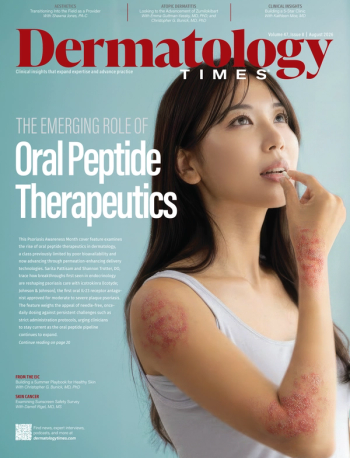
Learn more about the in-depth topics covered in the August 2026 issue of Dermatology Times.
This month’s podcasts highlight the latest clinical insights, emerging therapies, and evolving conversations shaping dermatology practice.
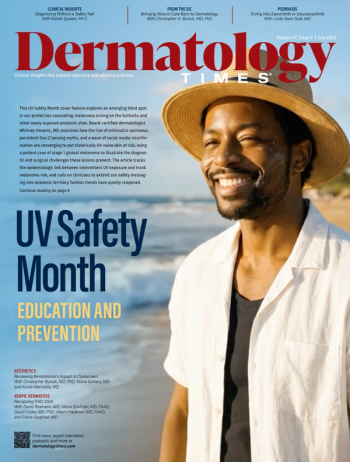
Learn more about the in-depth topics covered in the July 2026 digital issue of Dermatology Times.

Explore the top headlines of the month, including insights on the latest clinical trials, therapeutic updates, and more.
Dermatology Times is looking back on the top stories in dermatology from the month of July.
As we wrap up July, explore the new sunscreen ingredient approval, debunk summer skin care myths, and learn how UV damage and therapies are shaping skin cancer prevention today.

Honored with a top pediatric dermatology award, Amy Paller, MD, MS, shares her mentorship roots, career highlights, and continued advocacy for new treatments and research.

In his session at SPD, Markus Boos, MD, PhD showed how inclusive language, privacy, and team training improve dermatologic care and outcomes for gender minority youth.
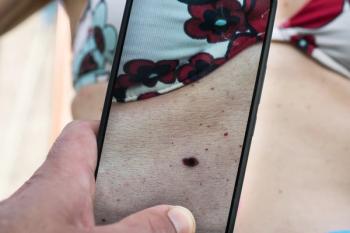
European task force review finds dermatology and AI skin cancer apps booming in Europe, but clinical proof, CE marking, and GDPR transparency lag.

Put your dermatology expertise to the test with Dermatology Times’ interactive quiz series.
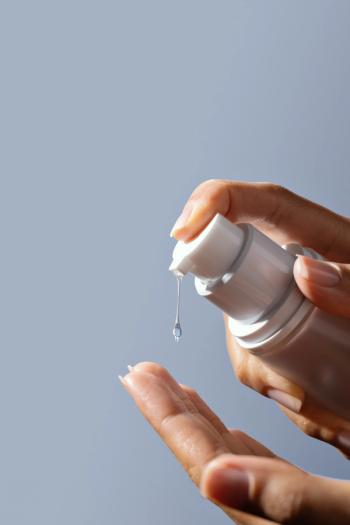
Placebo-arm RCTs show gentle cleansing, moisturizing, and sunscreen alone can significantly improve acne, rosacea, AKs, melasma, and PIH, boosting outcomes beyond prescriptions.

Learn the 10 weekly dashboard metrics Kathleen Moe, MD, tracks to spot issues early, boost access, cash flow, and patient experience in her practice.

Explore the top headlines of the month, including insights on the latest clinical trials, therapeutic updates, and more.
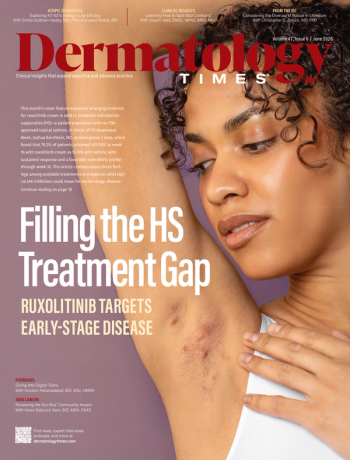
Learn more about the in-depth topics covered in the June 2026 print issue of Dermatology Times.
Dermatology Times is looking back on the top stories in dermatology from the month of June.

Lim considers mentoring and helping develop the next generation of dermatologists one of his most meaningful contributions to the specialty.
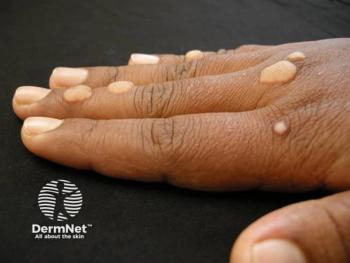
Verrica Pharmaceuticals and Japanese partner Torii Pharmaceutical have each dosed a first patient in COVE-3, the second pivotal phase 3 trial testing Ycanth for common warts.

AbbVie’s $10.9B deal adds Apogee’s long-acting IL-13 and TSLP antibodies to its portfolio, aiming for less frequent dosing in atopic dermatitis and asthma.
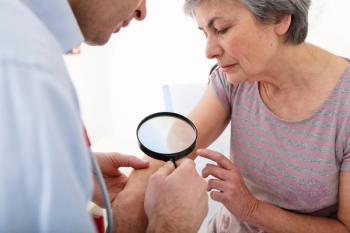
Two clinic cases illustrate why dermatologic providers must apply broad general medicine training in every encounter.
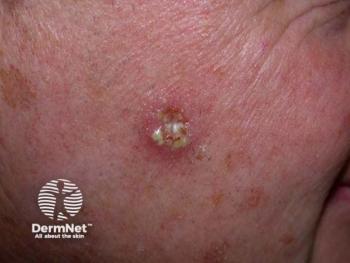
A new qualitative study finds that patients with hard-to-heal wounds routinely engage in protective and monitoring behaviors at home without recognizing those efforts as meaningful contributions to their own care.
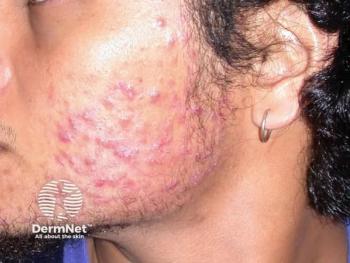
The 3-phase Isoclear regimen pairs topical isotretinoin with clindamycin, tranexamic acid, niacinamide, and copper peptide based on treatment stage.
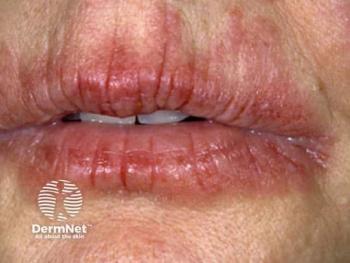
Nearly 68% of AD patients and 78% of psoriasis patients on topical-only regimens expressed a desire for systemic therapy, reflecting widespread skepticism about topicals as a long-term strategy.
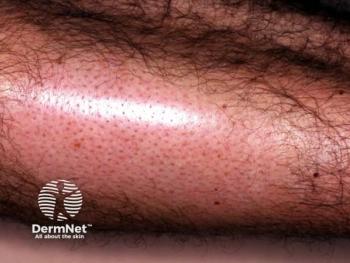
HCW9302 selectively expands Treg cells to suppress autoreactive follicular inflammation without broad immunosuppression.
Advertisement
Advertisement
Trending on Dermatology Times
1
FDA Approves Baricitinib for Adolescents With Severe Alopecia Areata
2
Alopecia Areata Awareness Month: 2026 in Review
3
Tremfya Meets Primary, Major Secondary Endpoints in Phase 4 STAR Study of Axial PsA
4
Dermatology Times Spot Test: September 27, 2026
5