Banner - NPPA Connect
News|Articles|July 1, 2026

Top 5 Articles of the Month: June 2026

Key Takeaways

  • PP405 is designed to reawaken dormant follicle stem cells, shifting alopecia management from slowing loss to inducing anagen re-entry and regeneration.
  • Regulatory clearance added bemotrizinol to the OTC sunscreen monograph via CARES Act administrative order, enabling up to 6% concentrations for patients ≥6 months old.
SHOW MORE

Explore the top headlines of the month, including insights on the latest clinical trials, therapeutic updates, and more.

To stay up to date with the latest dermatology news, sign up to receive our e-newsletters.
1. Reactivating the Follicle: PP405 Moves Toward Late-Stage Trials for Alopecia

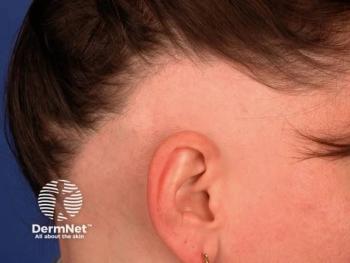
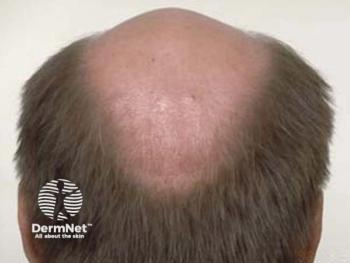
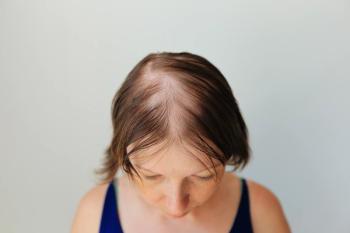
In an interview with Dermatology Times, Christina Weng, MD, and Daniel Gil, PhD, discussed PP405, a novel topical therapy for alopecia that aims to regenerate hair by reactivating dormant hair follicle stem cells. Unlike existing treatments that mainly slow hair loss or improve hair thickness, PP405 targets the underlying biology of hair growth by stimulating inactive follicles to re-enter the growth phase. Early phase 2a data showed increased follicular unit activation and terminal hair growth with a favorable safety profile and no systemic absorption. With further trials planned, PP405 could represent a shift toward regenerative, mechanism-based treatment for hair loss in both men and women.

MORE ON ALOPECIA

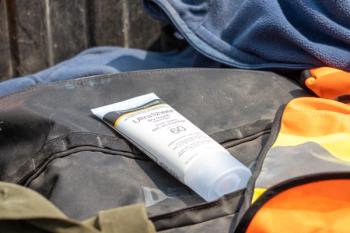
2. FDA Accepts Addition of Bemotrizinol as First New Sunscreen Ingredient in 20 Years

The FDA has approved bemotrizinol as a permitted active ingredient in over-the-counter (OTC) sunscreen products, according to an agency announcement on June 9, 2026. The action marks the first addition to the OTC sunscreen monograph since the late 1990s and makes bemotrizinol the first new sunscreen active ingredient added through the streamlined administrative order process established by the CARES Act. The ingredient is approved for use in adults and children 6 months or older. The FDA issued a proposed order on December 11, 2025, with a public comment period closing January 26, 2026. DSM Nutritional Products, LLC, submitted the OTC monograph order request to add bemotrizinol at concentrations up to 6% as a new active ingredient, and the FDA finalized the action within 7 months of issuing the proposed order.

MORE ON SUNSCREEN AND SKIN CARE

3. Lebrikizumab Earns FDA Approval for Less Frequent, Every-8-Week Maintenance Dosing in AD

The US Food and Drug Administration (FDA) has approved an every-8-week maintenance dosing regimen for lebrikizumab-lbkz (EBGLYSS) in adults and adolescents aged 12 years and older who weigh at least 40 kg and have moderate to severe atopic dermatitis (AD). The approval expands dosing options for patients receiving the IL-13-targeting biologic, which was previously approved with a once-monthly maintenance schedule. With the new regimen, eligible patients may maintain disease control with as few as 6 maintenance injections per year following the initial treatment period.

MORE ON ATOPIC DERMATITIS

4. The Emerging Role of Oral Peptide Therapeutics in Dermatology

Peptide drugs are emerging as a new frontier across medicine and have recently found a space in dermatology. These therapeutic agents are composed of short chains of amino acids, typically fewer than 50, and bridge the gap between small molecule drugs and larger protein biologics. Currently, over 60 peptide-based therapeutic treatments are FDA-approved, with over 500 still in development. One of the most well-known examples is semiglutide, marketed under brand names of Wegovy, Ozempic, and Rybelsus. Historically, however, peptide therapies have been limited by poor membrane permeability and limited oral bioavailability, making injection the primary route of administration. This paradigm is now shifting with advances in oral peptide technology and the introduction of agents such as icotrokinra (Icotyde; Johnson & Johnson) into the dermatology space. Overall, oral peptide therapy represents a rapidly evolving frontier that dermatologists cannot afford to overlook.

5. Once-Daily Zasocitinib Rivals Injectable Biologics for Skin Clearance, Phase 3 Data Show

Complete skin clearance from a once-daily pill—achieved in more than one-third of patients. That was the headline finding from LATITUDE Atlas, a phase 3, randomized, double-blind trial in which zasocitinib (TAK-279; Takeda) demonstrated statistical superiority over deucravacitinib (Sotyktu; Bristol Myers Squibb) across all primary and key secondary end points in adults with moderate to severe plaque psoriasis, reinforcing the case that next-generation tyrosine kinase 2 (TYK2) inhibitors are rewriting expectations for oral therapy.

MORE ON PSORIASIS