





General Dermatology
Latest News
Advertisement
Latest Videos





Shorts

0:34
How Dentistry and Dermatology Work in Harmony
7 months ago
by
Amy Spizuoco, DO, FAOCD(+1 more)

1:08
Catching Up with Colleagues at AAD
8 months ago
by
Nicole A. Negbenebor, MD

1:00
The Danger of TikTok Trends
8 months ago
by
Brittany Oliver, MD

0:57
Preventing Retinoid Irritation with the “Moisture Sandwich”
8 months ago
by
Alexis Holmes, MD

1:10
How to Utilize the “Skin Inventory” Approach
8 months ago
by
Aleta Simmons, MD, FAAD

1:21
Protecting the Barrier in Skin of Color Patients
8 months ago
by
Regine J. Mathieu, MD, FAAD

1:32
Sheet Masks for Kids? What to Watch For
8 months ago
by
Brittany Oliver, MD

1:32
Addressing Teen Skin Care Myths
8 months ago
by
Brittany Oliver, MD

0:38
How to Discuss Beef Tallow With Patients
8 months ago
by
Brittany Oliver, MD
1:07
How to Adapt Care to Every Patient
9 months ago
by
Shanna Miranti, MPAS, PA-C(+1 more)
CME Content


Advertisement
More News
A new qualitative study finds that patients with hard-to-heal wounds routinely engage in protective and monitoring behaviors at home without recognizing those efforts as meaningful contributions to their own care.
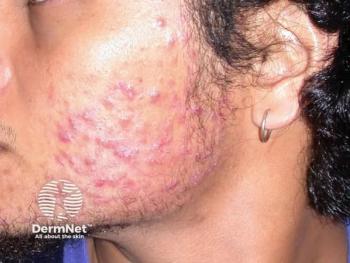
The 3-phase Isoclear regimen pairs topical isotretinoin with clindamycin, tranexamic acid, niacinamide, and copper peptide based on treatment stage.
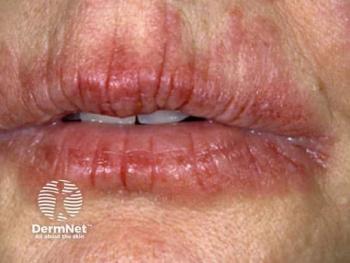
Nearly 68% of AD patients and 78% of psoriasis patients on topical-only regimens expressed a desire for systemic therapy, reflecting widespread skepticism about topicals as a long-term strategy.
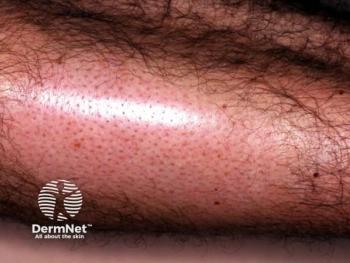
HCW9302 selectively expands Treg cells to suppress autoreactive follicular inflammation without broad immunosuppression.

In a pivotal trial, two-thirds of skinvive neck patients maintained clinically significant improvement at six months.
Cosibelimab joins cemiplimab and pembrolizumab as a first-line option for advanced cSCC unsuitable for curative surgery or radiation.
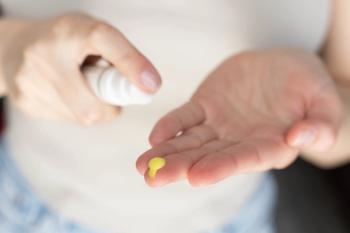
Does this structured nighttime skin care routine actually work or is it just a myth? Read more about the latest social media trend and learn how to counsel your patients in the clinic.

In clinical practice, digital twins could predict how individual patients respond to treatments based on factors such as genetics, skin barrier function, and lifestyle patterns.
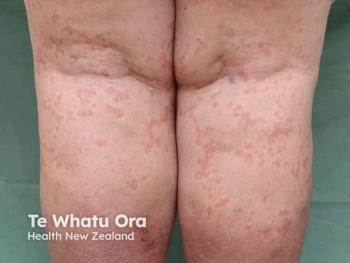
The review emphasizes that psychological stress can influence inflammatory pathways involved in CSU, potentially worsening disease activity.

William Posten, MD, provides an overview of postoperative radiation therapy as a treatment for keloids, including dosing parameters, safety considerations, and insurance reimbursement trends.

More than 35% of zasocitinib-treated patients reached complete skin clearance at week 16, with treatment curve separation emerging as early as week 8.
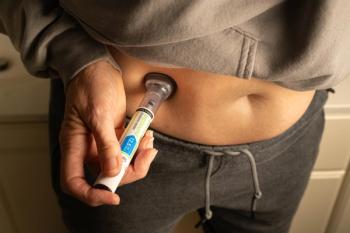
Findings support ongoing pharmacovigilance monitoring of GLP-1 receptor agonists for hair loss, particularly as semaglutide and tirzepatide use continues to expand.
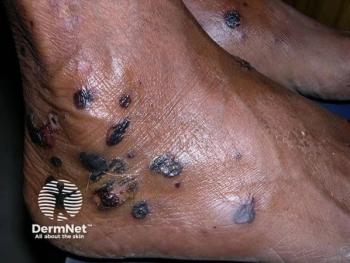
The priority review pathway cuts the standard 300-day Canadian review timeline to approximately 180 days, reflecting Health Canada's assessment of serious unmet need in the EB population.

In clinical medicine and science, robust often fails because it lacks quantifiable meaning.
William Posten, MD, discusses outcomes, recurrence rates, and the importance of patient adherence in a combined surgical excision and radiation therapy protocol for keloids.

The June issue of Dermatology Times highlights the latest advances in skin cancer, psoriasis, atopic dermatitis, hidradenitis suppurativa, and emerging dermatology technologies.

Put your dermatology expertise to the test with Dermatology Times’ interactive quiz series.

Translational Takeaways distills the most clinically relevant findings from emerging dermatology research into clear, practice-focused insights that inform real-world decision-making.
Phase 1/2 data from RESET-Myositis, RESET-SSc, and RESET-SLE presented at EULAR 2026 show durable immunomodulator-free responses and a consistent safety profile across indications.
Patients experiencing hormonal skin changes frequently report feeling unheard, and Doral Fredericks, PharmD, MBA, argues that active reassessment rather than attribution to aging is the clinical default that's needed.
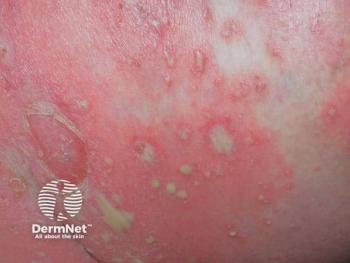
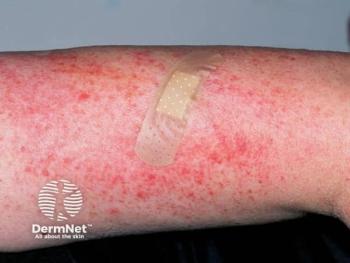
Experts recommend routine genital assessment as part of comprehensive skin exams rather than relying on patient-initiated reporting of this sensitive manifestation.
Organon's Doral Fredericks, PharmD, MBA, explains why pregnancy and menopause remain chronically understudied in dermatology research and what clinicians are missing as a result.

Discover how oral GliSODin delivers SOD to boost skin defense, enhance retinoids, and reduce UV damage and dark spots—backed by clinical trials.
William Posten, MD, discusses the evolution of keloid treatment and the clinical outcomes he has observed with excision followed by immediate radiation therapy.
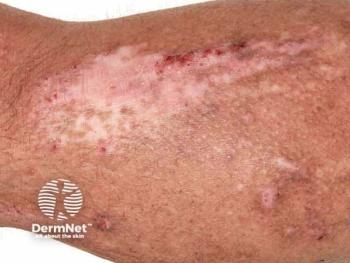
Unlike approved AD biologics and JAK inhibitors targeting specific cytokine pathways, GX-03 is designed to modulate inflammatory signaling locally within the skin microenvironment.
Advertisement
Advertisement
Trending on Dermatology Times
1
Dermatology Times Monthly FDA and Pipeline Review: October 2026
2
Phase 3 Trial Supports Risankizumab for Pediatric Psoriasis
3
Clinicians Explore Type 2 Inflammation Across Dermatologic Diseases
4
Brepocitinib Clears Skin in 69% of Cutaneous Sarcoidosis Patients
5