SPD 2026 highlighted advances in pediatric dermatology spanning textured hair care, vitiligo, vascular anomalies, mental health, genetics, and collaborative care.
Henry W. Lim, MD, FAAD's legacy highlights the impact of mentorship, research, and global advocacy in advancing inclusive dermatologic care and improving skin health worldwide.
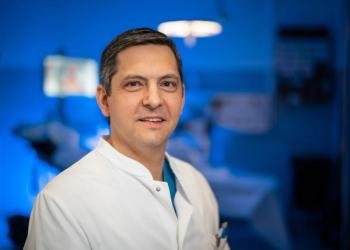
In an exclusive interview with Dermatology Times, Henry W. Lim, MD, FAAD, former chair of dermatology at Henry Ford, reflected on a distinguished career in academic dermatology, emphasizing mentorship, scientific contributions, and global advocacy as central pillars of his professional journey. After recently being awarded the
A recurring theme throughout his career has been mentorship. Lim credited formative guidance from leaders, including Rudolph L. Baer, MD; Irma Gigli, MD, PhD; Irwin M. Freedberg, MD; Clarence S. Livingood, MD; and Edward A. Krull, MD, who helped shape his path as a physician-scientist and academic leader. In turn, he views training the next generation of dermatologists as one of his most meaningful accomplishments, with pride in seeing mentees succeed across clinical, academic, and research settings.
Lim’s scientific contributions have centered on photodermatology, particularly the effects of ultraviolet and visible light on the skin. His work was among the first to demonstrate that visible light can induce pigmentary changes in individuals with darker skin types, an insight that has had lasting clinical implications. This research contributed to increased awareness of pigmentary disorders in skin of color and helped drive the development of tinted sunscreens, which remain a key protective strategy against visible light–induced pigmentation.
As a former president of the AAD, Lim also played a pivotal role in advancing inclusion within dermatology. He underscored the importance of recognizing variations in disease presentation across diverse skin types and ensuring representation in clinical research, education, and imagery used for training. He noted that the field overall has made meaningful progress, with broader inclusion in clinical trials and improved educational resources that reflect diverse patient populations.
In his current global leadership role as president of the International League of Dermatological Societies (ILDS), Lim emphasizes disparities in dermatologic care, particularly in underserved regions where access to basic interventions such as sunscreen remains limited. Initiatives through ILDS aim to address these gaps, including support for vulnerable populations such as individuals with albinism.
Lim concluded by encouraging the next generation of dermatologists to embrace opportunities, pursue excellence, and recognize that success in medicine is inherently collaborative—built on mentorship, teamwork, and sustained commitment to patient care.
“I've been blessed to have a very good and successful career,” he said. “But I want to emphasize that this is a team sport. No one can be successful alone.”