



Skin Cancer
Latest News
Advertisement
Latest Videos

Shorts

0:46
Why People Listen to Their Hairdresser More Than Their Doctor
a month ago
by
James Caleb Runyon, NP-C
0:39
Launching a Workshop Preparing Providers To Diagnose Skin Cancer
a month ago
by
Tristan Hasbargen, PA-C

0:47
Turning Personal Grief into a Life-Saving Initiative
a month ago
by
James Caleb Runyon, NP-C
0:26
Removing Guilt from Melanoma Management
a month ago
by
Joshua Arbesman, MD
0:38
Why We Need 'Field Treatment' for Skin Cancer
2 months ago
by
Shawn Demehri, MD, PhD
0:38
What Young Cancer Researchers Are Up Against
2 months ago
by
Stephanie Kauffman

0:24
How to Find the Best Sunscreen for Each Patient
3 months ago
by
Kathleen Suozzi, MD
0:36
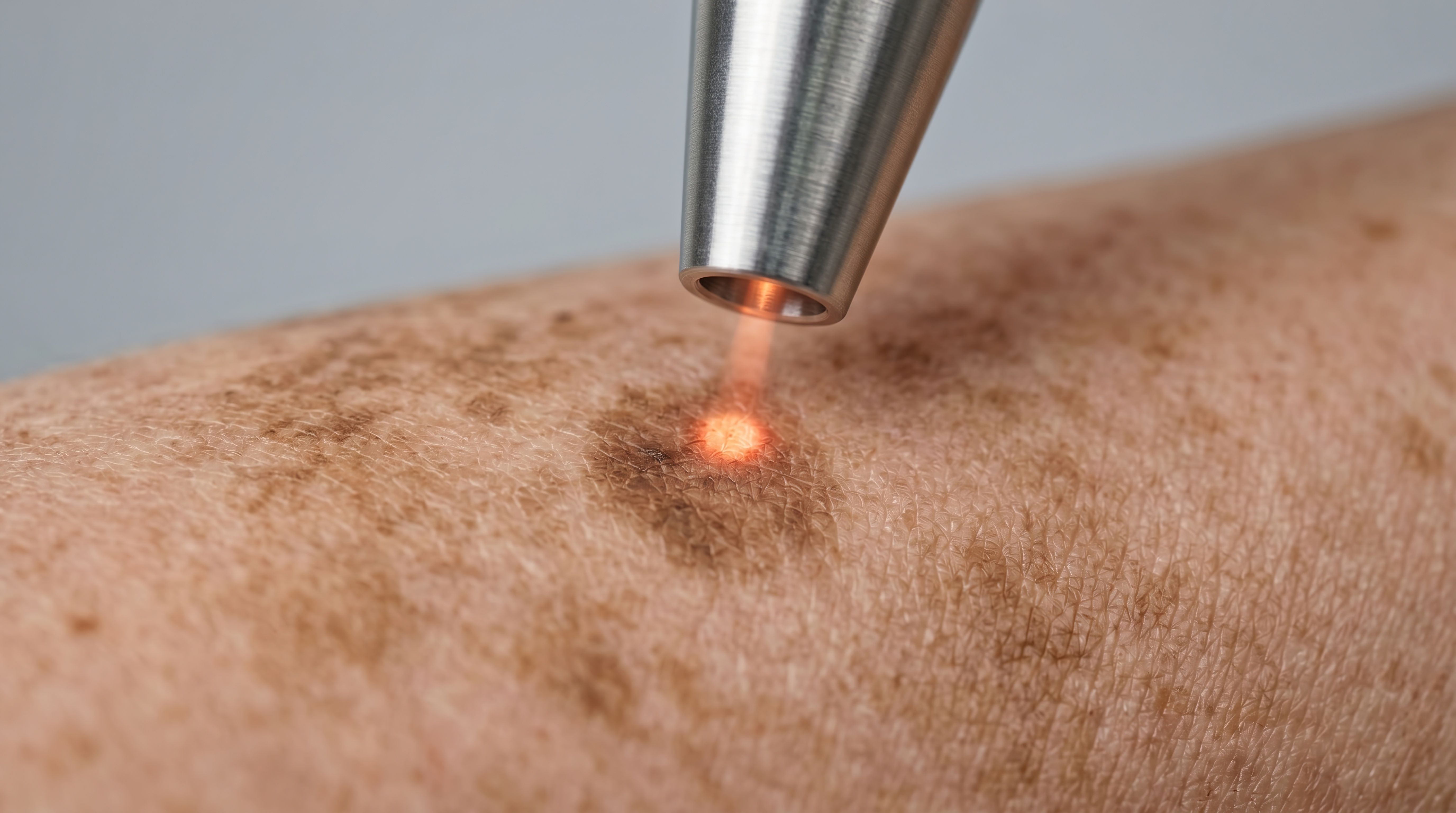
Lasers and DNA: How skin treatments impact cancer biology
3 months ago
by
Konika Patel Schallen, MD

0:44
Prioritizing Skin Health Checks for Patients of All Skin Tones
3 months ago
by
Shontay Lundy

0:45
Showing Patients Evidence of Sun Damage
4 months ago
by
Deborah S. Sarnoff, MD
CME Content



Advertisement
More News
The final session of the Cutaneous Oncology Workshop explored advances in systemic therapy, management of immunotherapy-related skin reactions, and the role of radiation.
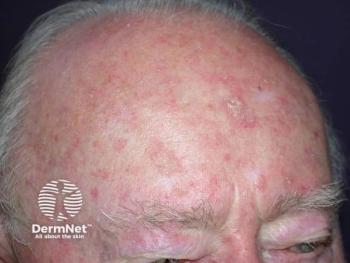
At the Dermatology Times NP/PA Cutaneous Oncology Workshop in Tampa, Florida, Amit Om, MD, outlined why field-directed therapy is increasingly favored over lesion-directed treatment for actinic keratosis.
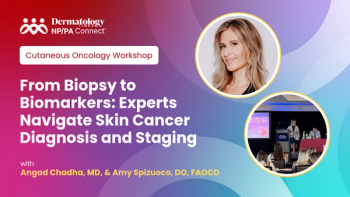
At the Cutaneous Oncology Workshop, faculty explored lesion recognition, surgical decision-making, risk stratification, and the evolving role of molecular testing.

Faculty at the Dermatology Times Cutaneous Oncology Workshop addressed real-world questions on mole mapping, biopsy decisions, oral photoprotection, and actinic keratosis treatment.
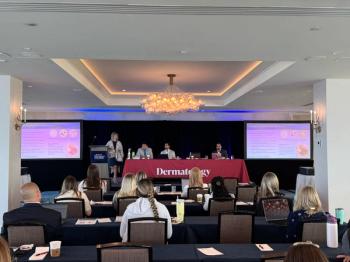
In the morning session, Experts highlighted evolving photoprotection strategies, field-directed treatment of actinic keratoses, hereditary cancer risk, and practical dermoscopy pearls for APPs.
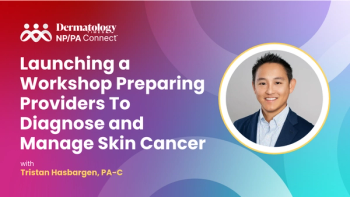
As chair of the new Dermatology Times NP/PA Connect Cutaneous Oncology Workshop, Tristan Hasbargen, PA-C, discusses the program's curriculum and goals live in Tampa, Florida.
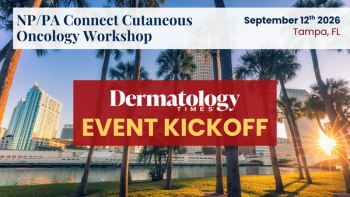
Dermatology Times kicks off its first Cutaneous Oncology Workshop, bringing APPs and experts together for practical skin cancer education.
Advanced practice providers will gather September 12 for a full-day program covering skin cancer prevention, diagnosis, staging, treatment, and procedural skills.
Joshua Arbesman, MD, explains how tailored sun-safety advice balances melanoma risk, aging goals, and quality of life in all types of patients.
Joshua Arbesman, MD, explains how to promote smarter sun habits, educate on melanoma-risk timelines, ease guilt, and answer sunscreen fears fueled by social media.
Shawn Demehri, MD, PhD, discussed immunomodulatory and antigen-directed immunotherapy approaches for skin cancer prevention in a recent Dermatology Times interview.
Shawn Demehri, MD, PhD, discusses a calcipotriene/5-FU combination immunotherapy for field cancerization and its potential in organ transplant recipients.
Shawn Demehri, MD, PhD, discussed a topical combination immunotherapy being studied for skin cancer prevention in high-risk patients.
Experts map referral pathways and team-based immunotherapy care for advanced cutaneous squamous cell carcinoma, tackling toxicity and follow-up gaps.
Experts weigh checkpoint inhibitors for advanced cutaneous squamous cell carcinoma, highlighting real-world safety, immunotherapy referrals, and where cosibelimab may belong.
Stephanie Kauffman, chief executive officer of the Melanoma Research Alliance, discussed funding strategy, early career researcher support, and melanoma prevention in a recent Dermatology Times interview.
Multidisciplinary experts rethink advanced cutaneous squamous cell carcinoma care, weighing immunotherapy options, trial data limits, adverse events, and smoother dermatology-oncology referrals.

The latest DermView custom video series explored how molecular tools are reshaping management decisions in cutaneous squamous cell carcinoma.
Stephanie Kauffman, CEO of the Melanoma Research Alliance, discussed the organization's research priorities as it approaches 20 years of advancing melanoma research.
Goran Mićević, MD, PhD, joined Christopher Bunick, MD, PhD, to discuss phase 3 findings showing an individualized mRNA neoantigen therapy improved outcomes with checkpoint blockade in resected melanoma.

Meta-analysis suggests vitiligo links to lower skin cancer rates, with significantly reduced squamous cell carcinoma; phototherapy shows higher estimates but remains inconclusive.
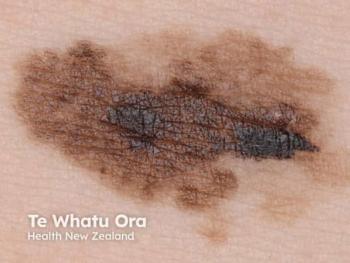
Phase 3 data from Merck and Moderna show mRNA vaccine intismeran plus pembrolizumab cuts melanoma relapse and spread after surgery, hinting at new adjuvant standard.

New research shows dermatologists continue to back daily sunscreen to prevent aging and skin cancer, debunking viral myths and spotlighting safer new filters coming to the US.

Joan Levy, PhD, chief science officer at the Melanoma Research Alliance, discussed the significance of Tudriqev's accelerated approval for patients with anti-PD-1-refractory melanoma.

In the August letter from the editor in chief, Christopher Bunick, MD, PhD, explains bemotrizinol’s broad-spectrum UVA/UVB benefits and simple UV safety habits for sunscreen, pools, and wounds.
Advertisement
Advertisement
Trending on Dermatology Times
1
Social Media Mythbusters: Can Castor Oil Really Grow Hair?
2
Bitopertin Meets All End Points in Phase 3 APOLLO Trial for EPP
3
EADV 2026 Atopic Dermatitis Highlights: Tilrekimig, RAC2 Inhibition, and Level Up Data
4
FDA Approves Pritelivir for Refractory Mucocutaneous HSV in Immunocompromised Adults
5