



Vitiligo
Latest News
Advertisement
Latest Videos






Advertisement
More News

This review of the latest vitiligo studies includes insights on the efficacy of ritlecitinib, the risk of herpes zoster, oxidative stress in red blood cells for this patient population, and more.
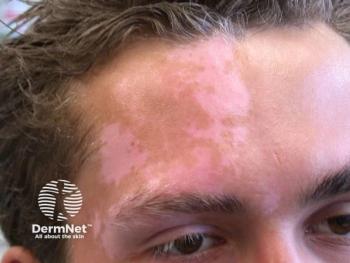
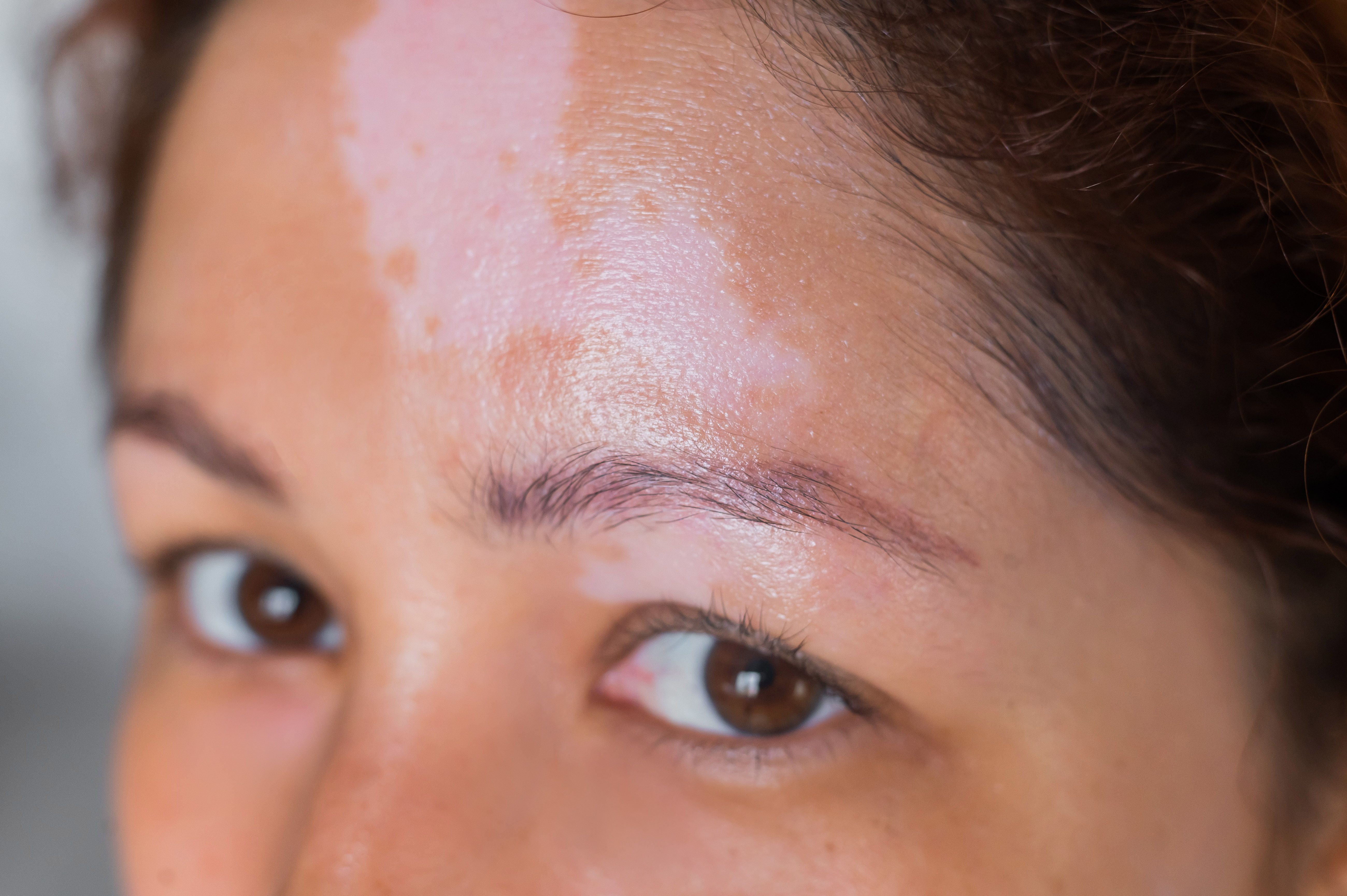
Ritlecitinib shows promising facial repigmentation in vitiligo patients, with consistent efficacy across diverse demographics in a phase 2b study.

Christopher Bunick, MD, PhD, led a vital discussion on innovative vitiligo treatments, emphasizing combination therapies and psychosocial support for effective management.
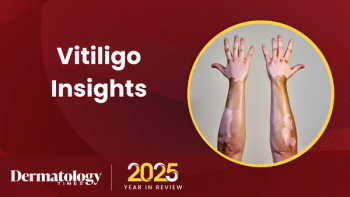
As 2025 comes to a close, Dermatology Times is taking a look back at the studies, therapies, and advances in vitiligo this year.

Erik Domingues leads a vital discussion on innovative vitiligo management, addressing treatment challenges and psychosocial impacts in diverse patient populations.
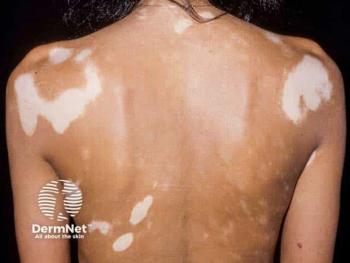
Experts discuss innovative strategies for vitiligo treatment, emphasizing the role of topical Janus kinase inhibitors and effective patient communication for optimal outcomes.

Discover how anatomical variations impact the minimal erythema dose in 308-nm excimer laser therapy for vitiligo in Asian patients.

A nationwide survey in Japan reveals significant health-related quality of life and psychological challenges faced by patients with vitiligo, highlighting the need for better mental health support.

AI could revolutionize vitiligo management with enhanced diagnostics, automated tracking, and personalized treatment forecasting, improving patient care and outcomes.
Michael Lewitt, MD, reassures patients that topical ruxolitinib shows minimal systemic absorption despite sharing a mechanism with oral JAK inhibitors.
Michael Lewitt, MD, emphasizes adherence to twice-daily application as the primary determinant of clinical success.
Using multiple treatment modalities often achieves superior repigmentation compared with monotherapy, according to Michael Lewitt, MD.

At Elevate-Derm, Buchi Neita, PA-C, discussed treatment expectations for vitiligo, triple-combination cream for acne, early diagnosis in HS, and what she’s looking forward to in the 2026 pipeline.
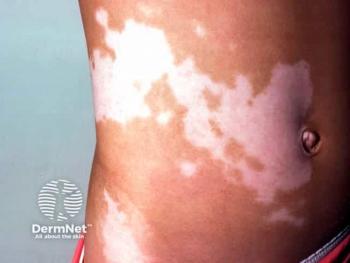
The study supports the hypothesis that targeting oxidative stress could complement phototherapy in restoring pigmentation in vitiligo.
Marc Serota, MD, discussed upcoming systemic JAK inhibitors, the value of ruxolitinib cream and phototherapy, and a personalized multimodal approach to improve repigmentation outcomes.

Marc Serota, MD, notes that areas lacking hair follicles respond more slowly to therapy and benefit from long-term, low-risk use of topical ruxolitinib.

Lindsay Ackerman, MD, FAAD, shares practical insights on managing vitiligo with topical ruxolitinib, addressing patient expectations, safety, and evolving research gaps.

In 2 replicate phase 3 trials, once-daily upadacitinib 15 mg significantly improved total and facial repigmentation in adults and adolescents with non-segmental vitiligo, with a safety profile consistent with prior indications.

Put your dermatology expertise to the test with Dermatology Times’ interactive quiz series!

A new trial reveals that combining Excimer laser with JAK inhibitors significantly enhances vitiligo treatment outcomes, ensuring safety and durability.

Findings suggest that physical activity alone may not meet the psychosocial needs of vitiligo patients, emphasizing the need for targeted mental health care.

Todd Schlesinger, MD, FAAD, FASMS, moderated an engaging discussion with colleagues to discuss complex vitiligo cases during a Dermatology Times Case-Based Roundtable event.
Put your dermatology expertise to the test with Dermatology Times’ interactive quiz series!

Cigna’s removal of restrictions on home phototherapy, following a similar decision by Elevance Health, expands access to more than 66 million Americans.
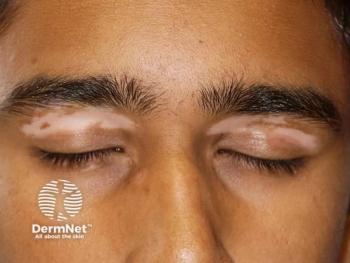
Forty percent of participants achieved at least a 75% reduction in facial vitiligo scores.
Advertisement
Advertisement
Trending on Dermatology Times
1
From Mechanism to Management: Navigating Male Pattern Hair Loss and New Topical Therapies
2
FDA Approves Baricitinib for Adolescents With Severe Alopecia Areata
3
Tremfya Meets Primary, Major Secondary Endpoints in Phase 4 STAR Study of Axial PsA
4
Dr. Charrow Highlights Earlier Biologic Use and Deroofing in Hidradenitis Suppurativa
5