

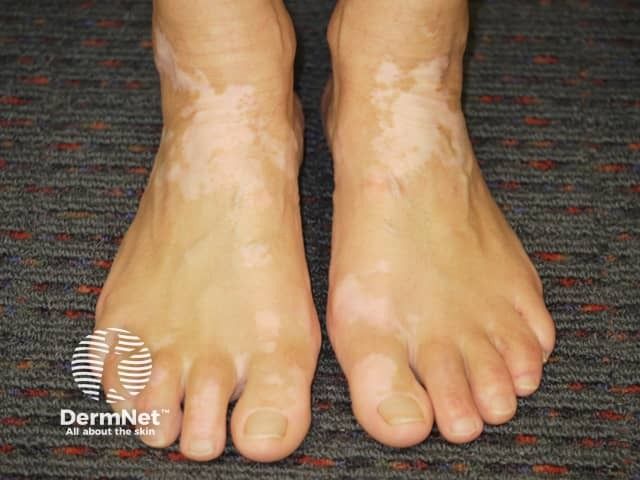
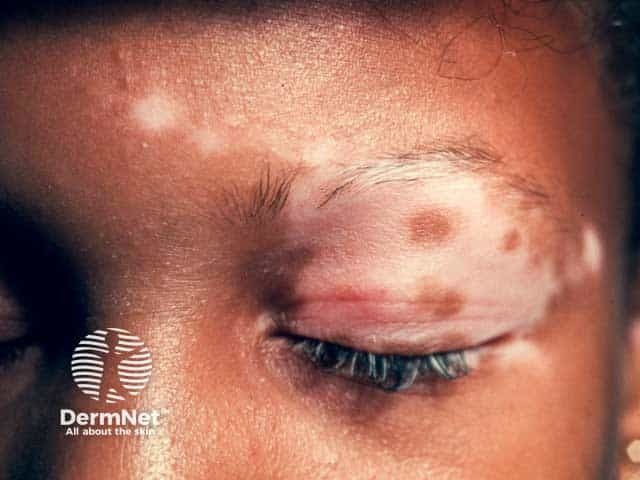


Vitiligo
Latest News
Advertisement
Latest Videos


Advertisement
More News
Panelists discuss how vitiligo treatment delays, psychosocial effects, and emerging therapies impact standard of care for patients through case-based analysis.
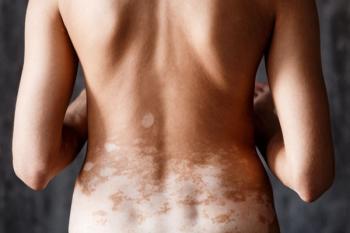
The study is actively recruiting participants at multiple sites across the US.
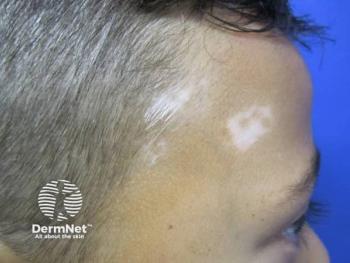
The study showed significant improvement in repigmentation with silymarin, with patients of different sexes benefiting equally, though monthly differences were not significant.
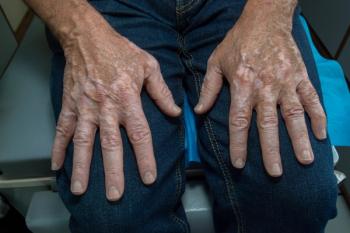
The 83-year-old patient was being treated for mycosis fungoides.
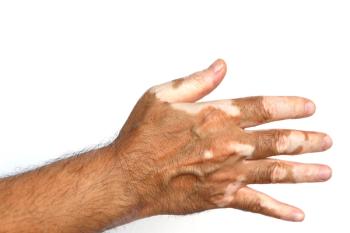
42 studies with 1027 cases evaluated drugs like bimatoprost and apremilast for vitiligo.

Researchers identified KLB and EIF3C as potential biomarkers for vitiligo and AA, offering new targets for early diagnosis and treatment.

Learn more about the in-depth topics covered in the August 2024 supplement of Dermatology Times.

At the conclusion of their roundtable event, Rocco Serrao, MD, FAAD; Latanya Benjamin, MD, FAAD; and Anthony Nuara, MD, PhD, discuss final considerations for tailoring vitiligo treatment plans.
Anthony Nuara, MD, PhD, reviewed a case study of a 32-year-old professional makeup artist who was concerned about her depigmented patches affecting her livelihood.
Latanya Benjamin, MD, FAAD, reviewed a case study of a 35-year-old woman with a 10-year history of vitiligo and concomitant atopic dermatitis
Rocco Serrao, MD, FAAD, reviewed a case study of a 20-year-old man with segmental vitiligo and the psychological impact of his vitiligo.
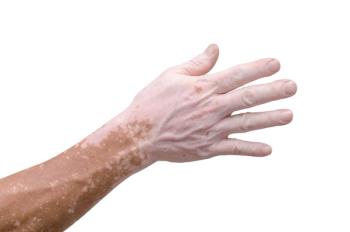
The findings highlight the need for diverse genetic studies to understand their broader impact on autoimmune diseases.

Skin with vitiligo and psoriasis shows increased immune cell type, with a Mendelian analysis finding no causal link between the conditions.

Naiem Issa, MD, PhD, shared highlights from his sessions on the 1726 nm laser for acne, atopic dermatitis disease modification, advances in hidradenitis suppurativa, and microneedling techniques for vitiligo.

Iltefat Hamzavi, MD, discusses the REGINA 007 phase 2 trial evaluating MK-6194 for the treatment of non-segmental vitiligo.

Researchers examined the role of diabetes and glycemic profile in the risk of development of vitiligo in a Mendelian randomization study.
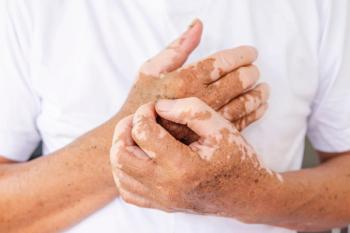
Researchers said individuals with vitiligo should monitor for RA and SLE, as regular check-ups are essential for managing this risk.
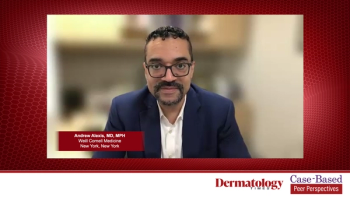
Andrew Alexis, MD, MPH, reviews the case of a 66-year-old woman who presented with depigmented patches and provides clinical insights on barriers typically encountered during the management of this condition.
An expert on vitiligo discusses the case of a 49-year-old woman with a history of vitiligo who presents with depigmented macules on her abdomen, thighs, and forearms that developed over 2 months.
Andrew Alexis, MD, MPH, presents the case of a 60-year-old man with a 5-year history of vitiligo who received topical ruxolitinib 1.5% cream and achieved gradual repigmentation over a six-month period.

David Rosmarin, MD, shared his insights on the study in a Q&A with Dermatology Times.

Silverberg discusses her SPD 2024 lecture, "Approach to Progressive Vitiligo," the future vitiligo landscape, and more.

Dr. Latanya Benjamin, MD, FAAD, FAAP, discusses the role of topical ruxolitinib cream in managing vitiligo and its effectiveness in a 25-year-old female patient.
A pediatric dermatologist reviews the case of a 25-year-old female with a history of vitiligo since adolescence who is affected by the social stigma of the condition.
Dr. Latanya Benjamin, MD, FAAD, FAAP, continues her discussion on a 35-year-old female patient with vitiligo by analyzing laboratory workup results and exploring advanced treatment decisions to optimize patient outcomes.
Advertisement
Advertisement
Trending on Dermatology Times
1
From Mechanism to Management: Navigating Male Pattern Hair Loss and New Topical Therapies
2
FDA Approves Baricitinib for Adolescents With Severe Alopecia Areata
3
Tremfya Meets Primary, Major Secondary Endpoints in Phase 4 STAR Study of Axial PsA
4
Dr. Charrow Highlights Earlier Biologic Use and Deroofing in Hidradenitis Suppurativa
5